
Planned implementation talks are called off as Israel continues strikes in Lebanon, prompting criticism from US Vice President JD Vance
Planned talks between the United States and Iran in Switzerland aimed at implementing the recently signed 14-point agreement to end the conflict between the two countries have been abruptly cancelled, raising fresh questions about the future of the fragile peace process.
The negotiations were scheduled to begin on Friday in Obbürgen, Switzerland, as part of a 60-day framework established after US President Donald Trump and Iranian President Masoud Pezeshkian electronically signed a memorandum of understanding (MoU) earlier this week. The agreement sought to end hostilities, address Iran’s nuclear programme and facilitate the reopening of the Strait of Hormuz.
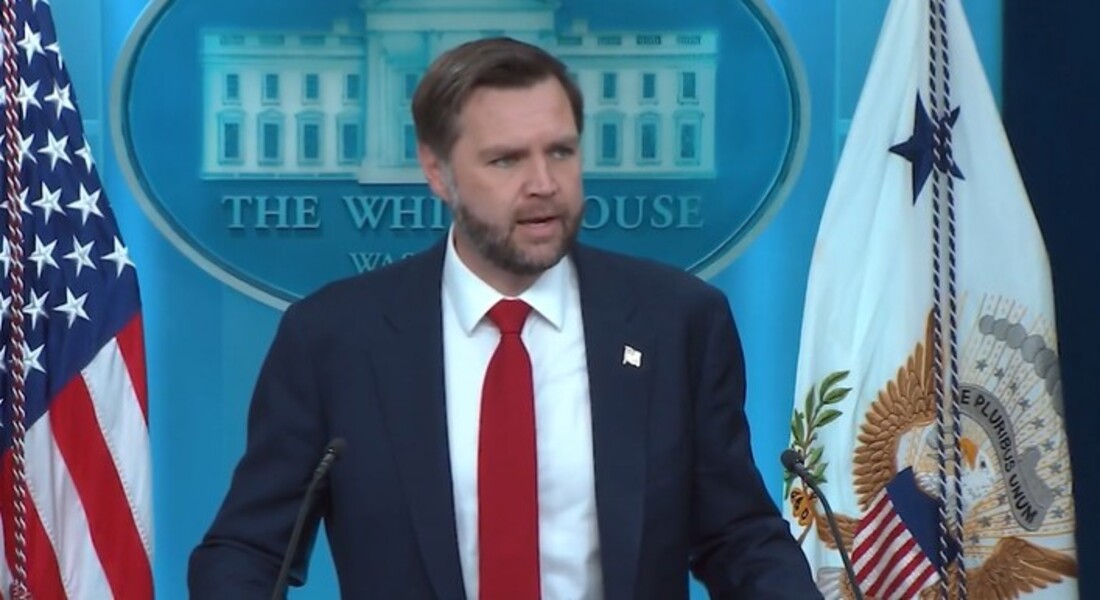
According to Switzerland’s foreign ministry, the talks have been called off. The White House subsequently confirmed that US Vice President JD Vance, who was expected to lead the American delegation, would no longer travel to Switzerland. “The logistics of these negotiations have never been simple or predictable. As of now the vice-president is not departing tonight,” a White House spokesperson said.
Despite the cancellation, Washington indicated that discussions would continue through technical channels. According to CNN, both sides have been working on confidential proposals to implement various elements of the 14-point agreement, including provisions related to Iran’s nuclear programme.
A Pakistani official source told CNN that the next phase would proceed through “separate technical-level tracks on multiple issues under this comprehensive framework.” Pakistan has played a key mediating role in the negotiations.
The cancellation comes amid growing tensions over Israel’s continued military operations in Lebanon. Vance openly criticised Israeli actions, suggesting that some operations had complicated efforts to secure a breakthrough with Iran.
Trump gets “frustrated” sometimes when they seem to be “on the cusp of a major breakthrough in the agreement, and then all of a sudden, there is a major explosion that goes off in a civilian population center in Beirut, and a lot of people who have nothing to do with Hezbollah lose their lives,” Vance said. “That’s not acceptable. That’s the sort of thing that we’ve asked for closer coordination, so that we ensure it doesn’t happen.”
He further stated, “The Israelis — just like everybody else — have to respect this peace process that is fundamentally good for them and good for the entire region.”
Responding to criticism of the agreement from some Israeli leaders, Vance added: “If I was in the cabinet of the Israeli government, I might not be attacking the only powerful ally that I have anywhere left in the entire world.”
The remarks came as Israeli forces continued strikes in southern Lebanon. According to Lebanon’s state-run National News Agency (NNA), at least 16 people were killed in overnight airstrikes in the Nabatieh district. Israel’s military said it was targeting Hezbollah positions and infrastructure in response to what it described as repeated ceasefire violations.
Meanwhile, Iran has reiterated that it will respond firmly to any breach of the agreement. Iran’s National Security Council warned of retaliation if the United States violates the deal, while chief negotiator Mohammad Bagher Ghalibaf said any breach or excessive demands would trigger a “crushing response”.
Developments surrounding the Strait of Hormuz also remain under scrutiny. Iran’s Supreme National Security Council announced that the newly established Persian Gulf Waterway Management Authority would oversee traffic through the strategic waterway. According to CNN, vessels will not be charged application fees for the next 60 days, although US President Trump has insisted the strait should reopen without tolls.
According to The Guardian, Trump described the agreement as a “major win” for the United States while indicating flexibility on issues including Iran’s civilian uranium enrichment programme and the release of frozen Iranian assets. The newspaper reported that the agreement has generated concern among Israeli officials and some Republican Party hardliners.
Even as formal negotiations have been postponed, diplomatic efforts appear set to continue, with all sides facing the challenge of converting the broad framework agreement into a durable and enforceable settlement.