
New Delhi: External Affairs Minister Dr. S. Jaishankar on Friday highlighted the opportunities and security challenges arising from the growing use of Artificial Intelligence (AI) in the maritime domain, stressing the need to encourage innovation while remaining alert to its security implications.
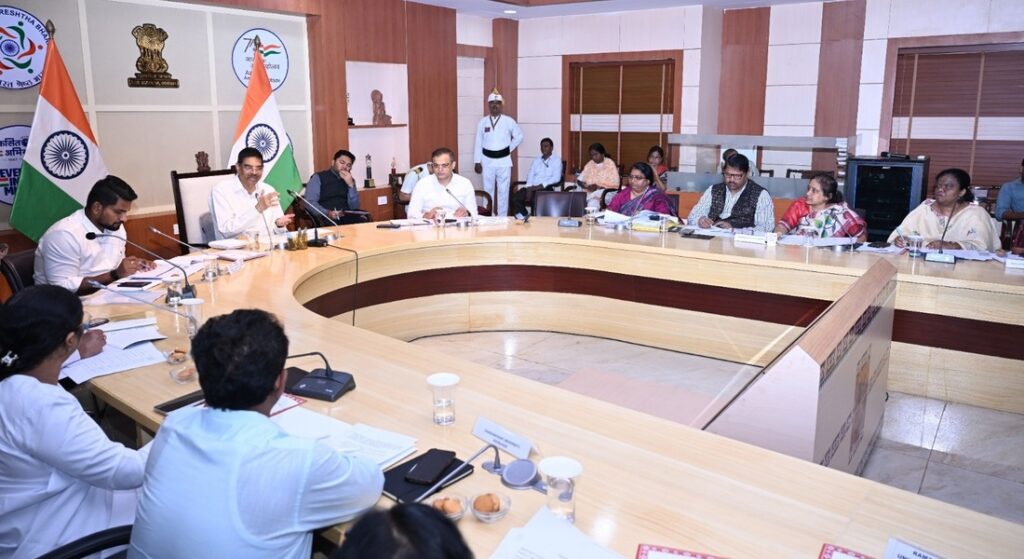
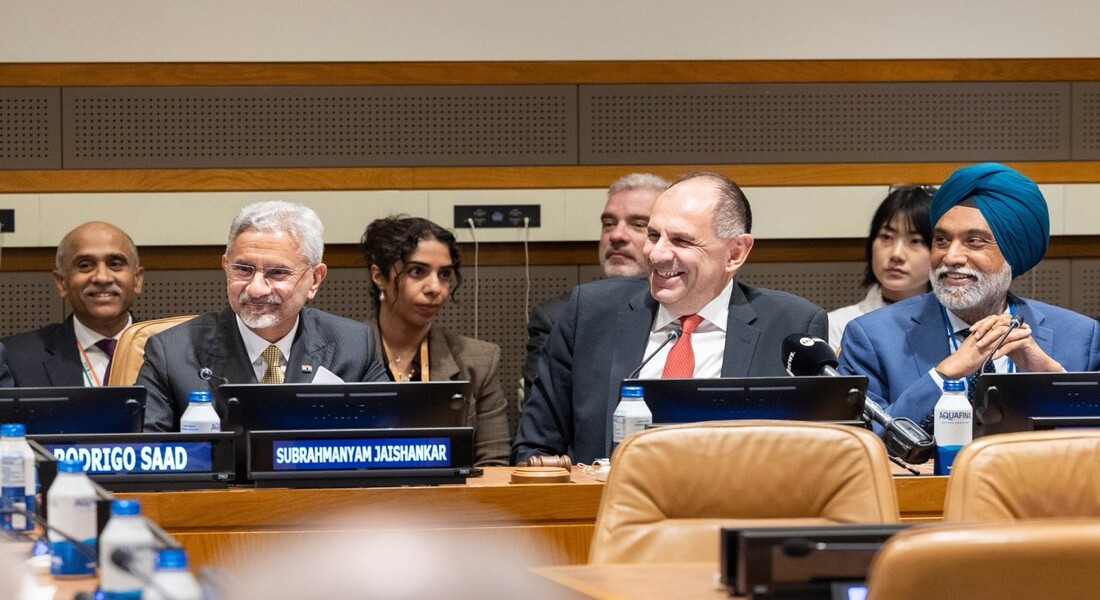
In a detailed post on X, Jaishankar said he was pleased to co-chair an event on “AI in the Context of International Peace & Security, with an Emphasis on Maritime Security” alongside Greece’s Foreign Minister George Gerapetritis.
Jaishankar underlined the need to harness the possibilities offered by AI, anticipate its consequences and mitigate associated risks. He said this requires an approach that supports innovation while remaining conscious of the security implications of the technology.
The Indian minister said the New Delhi Declaration emphasises democratic access to AI resources, the development of secure and trustworthy systems, investment in human capabilities and the use of AI for economic growth and social good.
He also outlined the potential applications of AI in maritime security. According to Jaishankar, AI can strengthen maritime domain awareness and support search and rescue operations, disaster response, identification of suspicious activity and the resilience of ports and critical infrastructure.
At the same time, he pointed to potential security risks, noting that AI could enable sophisticated reconnaissance, vulnerability mapping and cyber operations targeting vessels, communication networks and undersea infrastructure.
Jaishankar further said increasing autonomy in maritime systems raises questions concerning attribution, accountability and escalation. He added that greater autonomy could also compress the time available for decision-making.
On the international framework governing the use of AI in the maritime domain, Jaishankar said the UN Charter and international law, including the law of the sea, remain essential frameworks for governing the conduct of states.
He stressed the importance of greater transparency, confidence-building measures, capacity development, technical cooperation and the exchange of best practices to ensure that AI is developed and used consistently with these principles.
Jaishankar reaffirmed that AI and maritime security remain important priorities for India at the United Nations.