
Bhubaneswar: The All India Institute of Medical Sciences (AIIMS), Bhubaneswar, has embarked on a groundbreaking study to investigate the toxicological and neurological impact of cycad plants in Odisha, following recent findings of the neurotoxin BMAA (β-N-methylamino-L-alanine) in local cycad species.
The research stems from growing concerns over the traditional consumption of cycad-based food products, such as pitha, by certain tribal communities in the state. Cycads — ancient plants that have existed for over 300 million years — contain powerful toxins including Cycacin, BMAA, and MAM (methylazoxymethanol). Globally, these compounds have been linked to neurodegenerative diseases such as Parkinsonism, motor neuron disease, and dementia, particularly in regions like Guam (USA) and Japan’s Kii Peninsula where cycads were part of local diets.
The Odisha study, spearheaded by Prof. Sanjeev Kumar Bhoi, Head of Neurology at AIIMS-Bhubaneswar, and Prof. S.K. Barik, Dean of Life Sciences at North-Eastern Hill University (NEHU), Shillong, aims to determine whether similar neurological risks exist among local populations who continue to use cycad seeds as food.
The initiative gained momentum during an international workshop on “Cycad-Related Neurological Disorders: A Multi-Dimensional Approach to Its Remediation”, jointly organized by AIIMS-Bhubaneswar and NEHU. The event featured eminent neuroscientists Prof. Peter S. Spencer and Prof. Valerie S. Palmer from Oregon Health & Science University, who shared insights from their long-term studies in Guam and Japan.
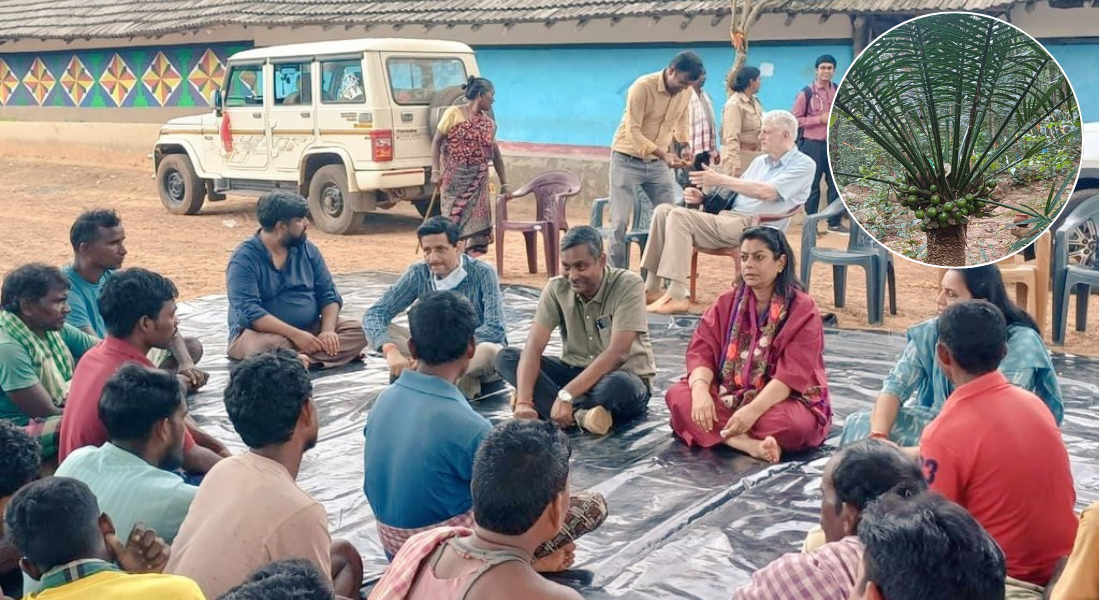
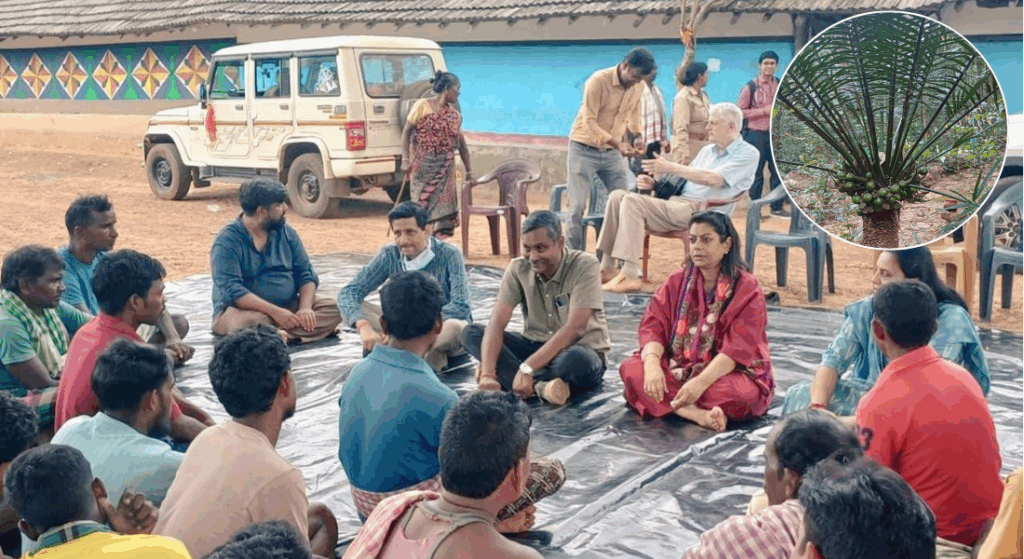
As part of the research, expert teams conducted field visits to the villages of Dhuannali in Khordha district and Gangamunda and Suaginali in Dhenkanal district, where communities traditionally consume cycad seeds. Interactions with villagers, patients, and healthcare providers helped document health symptoms potentially linked to cycad exposure. Known locally as Aruguna (or Veru), the Cycas plant continues to be an important part of the diet in some tribal belts of Odisha. The research team aims to develop a roadmap for community awareness, preventive strategies, and interdisciplinary collaboration to mitigate potential health risks associated with cycad consumption.