
Ceasefire extended indefinitely amid stalled talks, rising tensions in Strait of Hormuz, and sharp exchanges between Washington and Tehran
The United States has extended its ceasefire with Iran indefinitely, even as tensions between the two sides continue to escalate and prospects for fresh negotiations remain uncertain.
US President Donald Trump said the ceasefire would continue “until such time as” Iran submits a “unified proposal,” citing internal divisions within Tehran’s leadership. Announcing the move on his Truth Social platform, Trump said the decision followed a request from Pakistan’s leadership and was intended to provide more time for diplomacy.
STATEMENT BY PRESIDENT DONALD J. TRUMP: pic.twitter.com/ATdRyY1qqK
— The White House (@WhiteHouse) April 21, 2026
“Based on the fact that the Government of Iran is seriously fractured… we have been asked to hold our Attack on the Country of Iran until such time as their leaders and representatives can come up with a unified proposal,” he said.
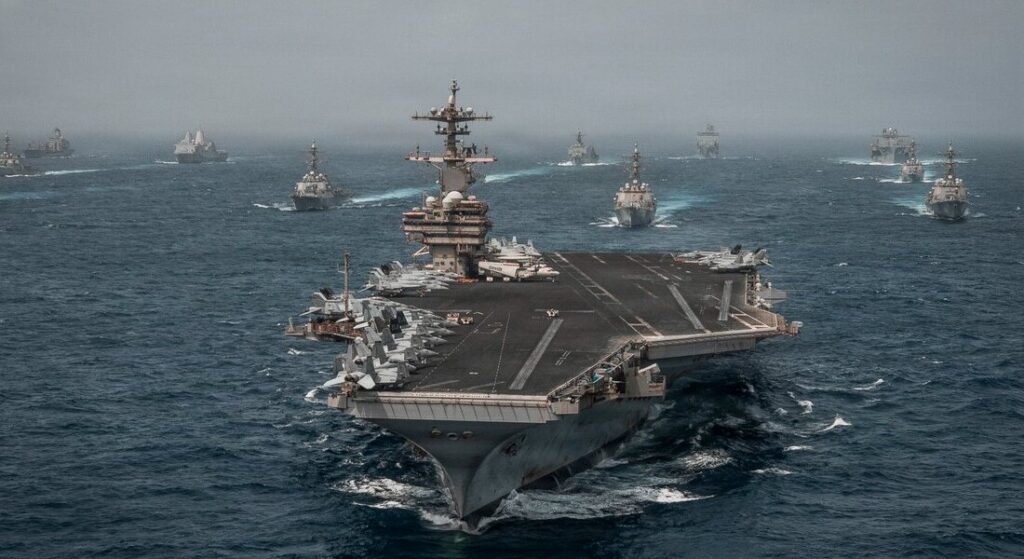
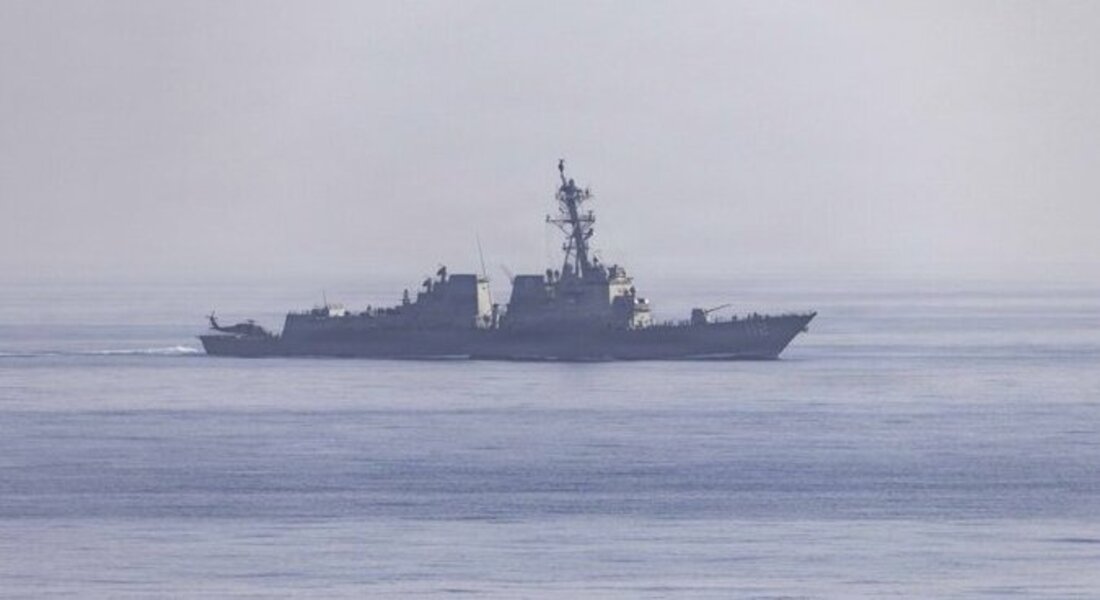
However, Trump made it clear that military pressure would continue alongside the pause in hostilities. “I have directed our Military to continue the Blockade and… remain ready and able,” he added.
Iran responded sharply, dismissing the extension as a strategic manoeuvre rather than a genuine peace effort. Mahdi Mohammadi, an adviser to Iranian Parliament Speaker Mohammad Bagher Qalibaf, said the move “means nothing” and accused Washington of attempting to gain tactical advantage.
“Trump’s ceasefire extension means nothing. The losing side cannot dictate terms… the continuation of the siege is no different from bombardment and must be met with a military response,” he said in a post on X, adding that the extension was “a ploy to buy time for a surprise strike.”
Tehran has also signalled reluctance to rejoin negotiations under current conditions. According to Iran’s state-linked media, officials conveyed that attending further talks would be “a waste of time because the US prevents reaching any suitable agreement.”
The diplomatic uncertainty has already affected planned engagements. A second round of talks expected in Islamabad now appears unlikely to proceed as scheduled, with a planned visit by US Vice President JD Vance put on hold pending clarity on Iran’s position.
Even as diplomatic channels remain fragile, developments on the ground suggest rising tensions. Reports indicate that Iranian Revolutionary Guard vessels have intercepted ships attempting to pass through the Strait of Hormuz, a critical global shipping route.
Separately, a Panama-flagged cargo ship, MSC Francesca, was reportedly targeted near Iranian waters and instructed to halt, sustaining damage to its hull. While no casualties have been reported, the incident underscores growing risks to maritime security in the region, BBC reported.
Iran has maintained that control over the Strait of Hormuz is non-negotiable. Senior lawmaker Ebrahim Azizi said the country would “never” give up control of the strategic waterway, while foreign ministry spokesperson Esmail Baghaei described the US naval blockade as “an act of aggression.”
The Strait, which carries a significant share of global oil shipments, has remained a central point of contention. While Iran briefly allowed controlled commercial passage through designated lanes, renewed US pressure and blockade measures have led to fresh restrictions.
Trump, meanwhile, has framed the situation as economically damaging for Iran, claiming the country is “collapsing financially” and losing significant daily revenue due to disruptions in trade.
The developments reflect a volatile phase in the conflict, where ceasefire extensions coexist with military signalling and deep mistrust. With negotiations stalled and tensions rising in key maritime corridors, the path to a lasting resolution remains uncertain.