At IndiaVerve, we go beyond the noise to bring you meaningful stories of change, resilience and progress—from India to the world stage. Our mission is to bring readers credible, wide-ranging coverage across politics, business, sports, culture, society and more.

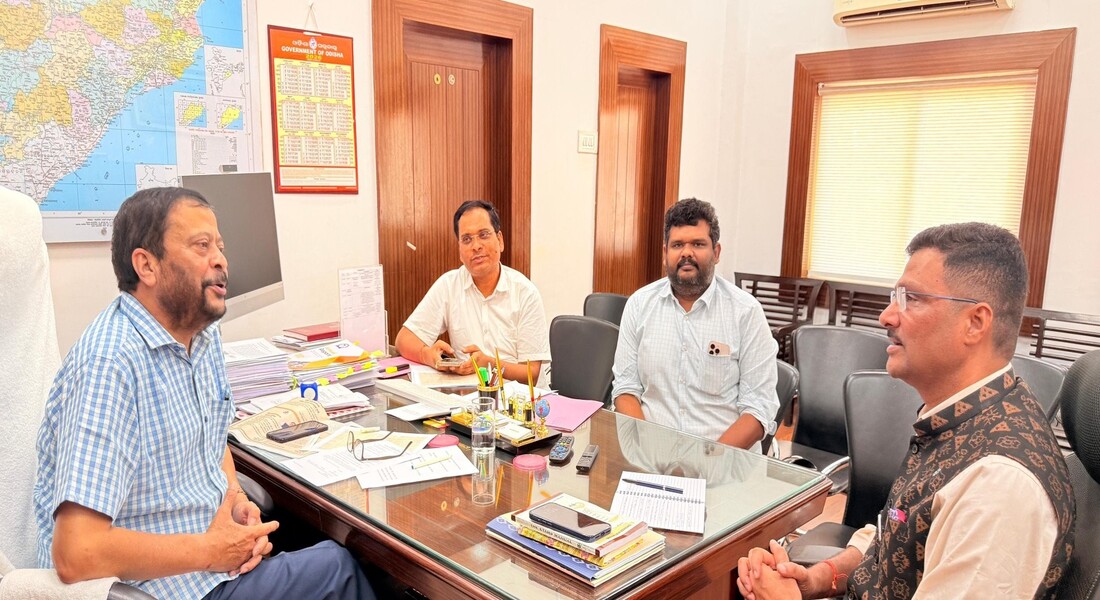
Odisha halts census work during peak hours amid heatwave

Bhubaneswar: The Odisha government has issued emergency directives prioritising the safety of census enumerators amid rising temperatures across the state.

As part of the measures, census operations will remain suspended between 11 a.m. and 3 p.m. to protect field staff from the intense summer heat. Authorities have also been instructed to ensure necessary safety arrangements, maintain regular monitoring, and coordinate closely with the police administration.

Revenue Minister Suresh Pujari appealed to residents to cooperate with census workers and support them in carrying out their duties. He also urged the public to provide accurate information during the enumeration process while ensuring the safety of both workers and the general public.

The move comes as the state steps up precautions to safeguard frontline personnel engaged in the ongoing census exercise.

H&UD Department reviews reform agenda on Civil Services Day

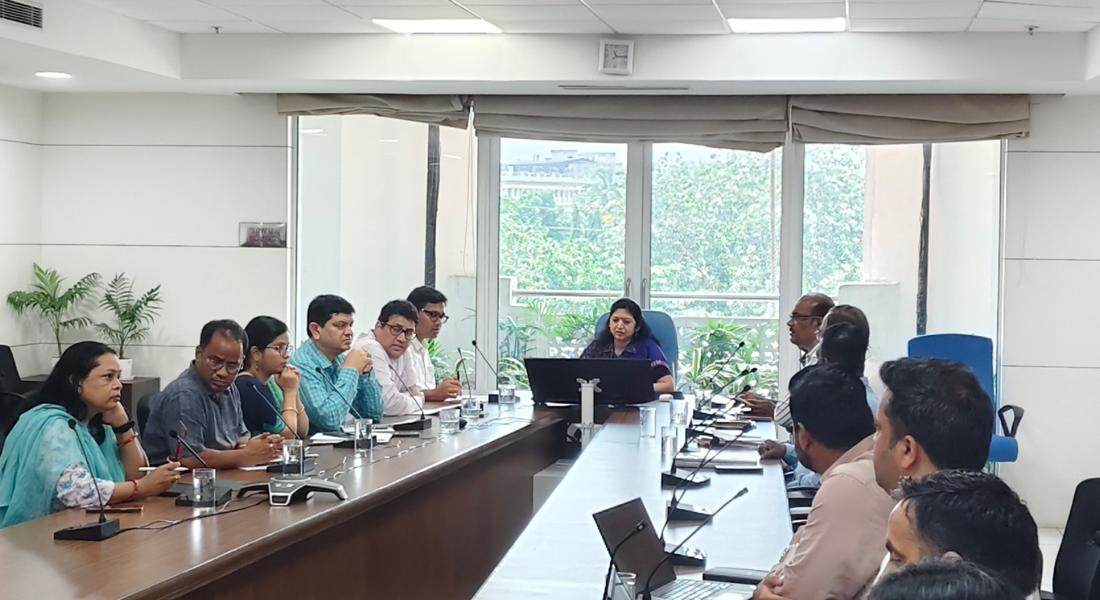
Bhubaneswar: On the occasion of Civil Services Day, Odisha’s Housing & Urban Development Department held a review meeting on Wednesday on its reform agenda, signalling a renewed push for citizen-focused governance and improved public service delivery.

The session took place at the conference hall on the third floor of Kharabela Bhawan and was chaired by Additional Chief Secretary Usha Padhee, who also serves as IDCO chairperson. Senior departmental officials were present.

Discussions focused on priority reforms aimed at strengthening governance systems and boosting service efficiency. Officials stressed the need to simplify procedures, improve transparency, and make institutional mechanisms more responsive to public needs.

Speaking at the meeting, Padhee said, “Civil Services Day is an opportunity to reaffirm our commitment to integrity, empathy and accountability. Reforms must lead to visible improvements in people’s lives by making governance more accessible and efficient.”

The department resolved to intensify efforts towards people-centric governance, ensuring public services reflect the aspirations of Odisha’s citizens.

The meeting highlighted a continued emphasis on reforms that promote accountability, innovation and inclusive urban development across the state.

Odisha reviews rural drinking water projects, sets 2027 target for mega schemes

Bhubaneswar: The Odisha government has reviewed the progress of rural drinking water supply projects, with a focus on accelerating implementation to ensure piped drinking water reaches every household in the state.

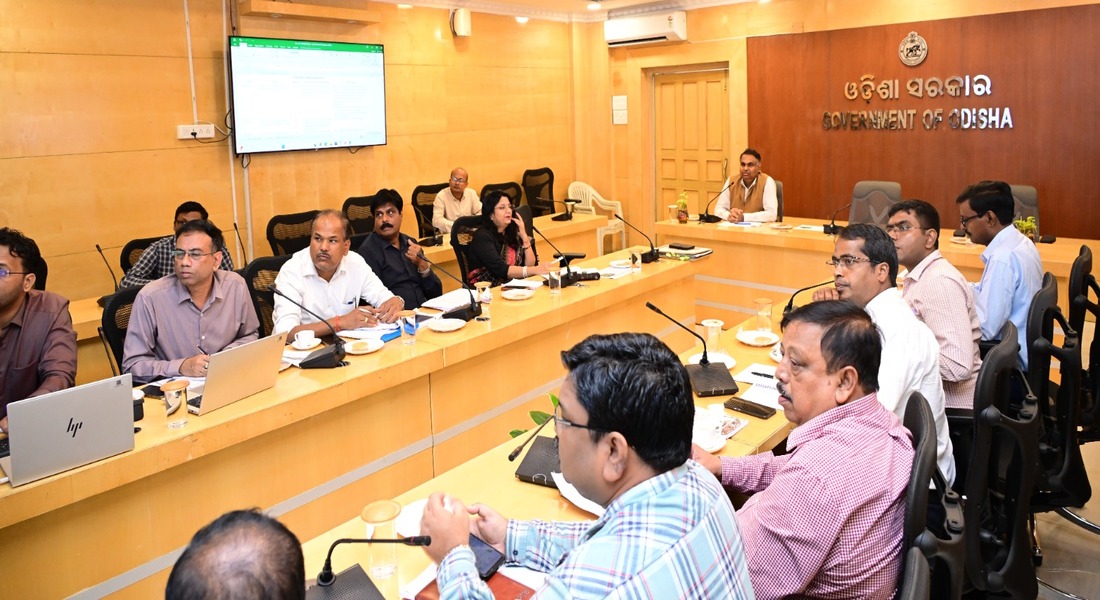
The review meeting, held at Lok Seva Bhawan under the direction of Chief Secretary Anu Garg, was chaired by Panchayati Raj and Drinking Water Department Commissioner-cum-Secretary Girish S.N. The meeting assessed the status and execution of ongoing mega piped water supply projects and other rural water initiatives across the state.

Officials reiterated the government’s goal of providing safe drinking water to every rural household through piped connections. The secretary reviewed progress made since the last meeting in March and directed officials to expedite pending works.

According to official data presented at the meeting, Odisha has planned 207 mega drinking water projects, of which 30 have been completed so far, while 55 projects have achieved over 90 per cent progress. The government has set a target to complete all mega projects by March 2027, which are expected to cover 32,233 villages.

In addition, out of 19,017 single-village water supply projects, 18,411 have already been completed. Similarly, 6,146 out of 8,599 solar-powered piped water supply projects have been completed, with the remaining projects targeted for completion by June 2026.

Officials noted that most projects are in the final stages and that drinking water supply will commence once minor issues are resolved. Over the past two years, 28,750 tube wells have also been installed across the state.

The review also covered the implementation of the Centre’s Jal Jeevan Mission 2.0, which aims to provide tap water to every household. The meeting emphasised speeding up work in line with agreements with the central government and the new maintenance policy approved by the state cabinet.

Special attention was given to preparedness for the summer season. Officials discussed maintenance of piped water systems, solar-powered units, and tube wells to ensure uninterrupted supply. The department has deployed 445 water tankers and set up 6,042 water kiosks across the state, while control rooms are operational at the sub-divisional level to address public grievances.

The secretary directed engineers and officials to maintain regular monitoring and coordination to resolve issues affecting the completion of mega projects. Emphasis was also laid on inter-departmental coordination involving departments such as Rural Development, Water Resources, Works, Forest and Environment, Energy, and the National Highways Authority to remove bottlenecks and expedite project execution.

The meeting underscored the need for continuous review and coordination to ensure timely completion of projects and improved access to safe drinking water in rural Odisha.

Odisha unveils new tourism tagline, launches Puri Coastal Marathon

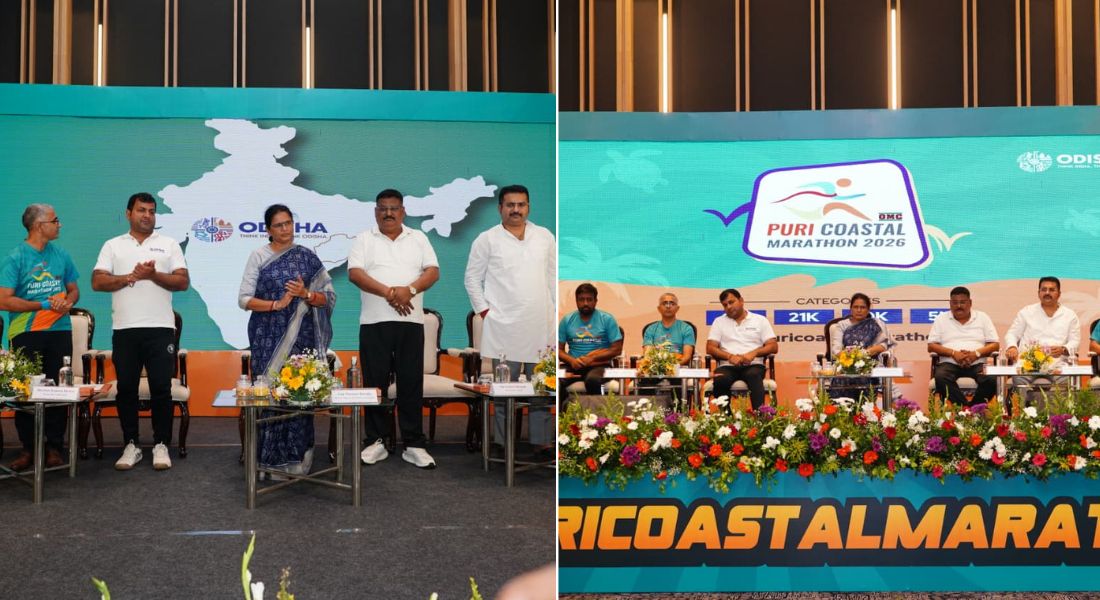
Bhubaneswar: The Government of Odisha has unveiled a new tourism tagline, “Think India, Think Odisha,” as part of a broader strategy to reposition the state as a global, experience-driven destination.

The announcement was made by the state’s Tourism Department on Wednesday, alongside the launch of the OMC Puri Coastal Marathon, a new international sporting event aimed at strengthening Odisha’s presence in sports and experiential tourism.

The launch event, held at Taj Resort & Spa in Puri, was attended by Deputy Chief Minister Pravati Parida, MLAs Om Prakash Mishra, Ashrit Pattanayak and Sunil Kumar Mohanty, along with Tourism Commissioner-cum-Secretary Balwant Singh and other senior officials.

Speaking at the event, the Deputy Chief Minister said the new branding reflects Odisha’s evolution into a high-performance tourism economy, driven by improved infrastructure, strategic promotion, and immersive visitor experiences. She noted that the tagline presents an aspirational identity, positioning Odisha as a gateway to experience India’s cultural, spiritual, and natural diversity.

The rebranding aligns with the state’s long-term development goals under Vision 2036 and Vision 2047, and marks a shift from Odisha being seen as an emerging destination to a globally competitive tourism hub.

The announcement was accompanied by the launch of the OMC Puri Coastal Marathon, which is scheduled to be held on December 13, 2026. With a prize pool exceeding ₹1 crore, the event is expected to attract elite athletes, amateur runners, and international participants.

Designed along Puri’s coastline, the marathon will offer a distinctive running experience, including a six-kilometre stretch on the beach’s golden sands. The event will feature multiple categories, including full marathon (42 km), half marathon (21 km), 10 km, and 5 km races, making it accessible to a wide range of participants.

Ahead of the official launch, a ceremonial run from Blue Flag Beach to the Taj Resort & Spa saw participation from fitness enthusiasts and local residents. The marathon logo was unveiled through a sand art installation by Padma Shri awardee Sudarshan Patnaik, incorporating elements such as the Patita Pavana Bana of the Jagannath Temple, the Konark Chakra, and the waves of the Bay of Bengal.

Officials said the marathon is part of a larger push to integrate sports with tourism and enhance Odisha’s global visibility. Registrations for the event have opened, with participants from India and abroad invited to take part.

Trump extends Iran ceasefire as Tehran calls move ‘ploy for surprise strike’

Ceasefire extended indefinitely amid stalled talks, rising tensions in Strait of Hormuz, and sharp exchanges between Washington and Tehran

The United States has extended its ceasefire with Iran indefinitely, even as tensions between the two sides continue to escalate and prospects for fresh negotiations remain uncertain.

US President Donald Trump said the ceasefire would continue “until such time as” Iran submits a “unified proposal,” citing internal divisions within Tehran’s leadership. Announcing the move on his Truth Social platform, Trump said the decision followed a request from Pakistan’s leadership and was intended to provide more time for diplomacy.

“Based on the fact that the Government of Iran is seriously fractured… we have been asked to hold our Attack on the Country of Iran until such time as their leaders and representatives can come up with a unified proposal,” he said.

However, Trump made it clear that military pressure would continue alongside the pause in hostilities. “I have directed our Military to continue the Blockade and… remain ready and able,” he added.

Iran responded sharply, dismissing the extension as a strategic manoeuvre rather than a genuine peace effort. Mahdi Mohammadi, an adviser to Iranian Parliament Speaker Mohammad Bagher Qalibaf, said the move “means nothing” and accused Washington of attempting to gain tactical advantage.

“Trump’s ceasefire extension means nothing. The losing side cannot dictate terms… the continuation of the siege is no different from bombardment and must be met with a military response,” he said in a post on X, adding that the extension was “a ploy to buy time for a surprise strike.”

Tehran has also signalled reluctance to rejoin negotiations under current conditions. According to Iran’s state-linked media, officials conveyed that attending further talks would be “a waste of time because the US prevents reaching any suitable agreement.”

The diplomatic uncertainty has already affected planned engagements. A second round of talks expected in Islamabad now appears unlikely to proceed as scheduled, with a planned visit by US Vice President JD Vance put on hold pending clarity on Iran’s position.

Even as diplomatic channels remain fragile, developments on the ground suggest rising tensions. Reports indicate that Iranian Revolutionary Guard vessels have intercepted ships attempting to pass through the Strait of Hormuz, a critical global shipping route.

Separately, a Panama-flagged cargo ship, MSC Francesca, was reportedly targeted near Iranian waters and instructed to halt, sustaining damage to its hull. While no casualties have been reported, the incident underscores growing risks to maritime security in the region, BBC reported.

Iran has maintained that control over the Strait of Hormuz is non-negotiable. Senior lawmaker Ebrahim Azizi said the country would “never” give up control of the strategic waterway, while foreign ministry spokesperson Esmail Baghaei described the US naval blockade as “an act of aggression.”

The Strait, which carries a significant share of global oil shipments, has remained a central point of contention. While Iran briefly allowed controlled commercial passage through designated lanes, renewed US pressure and blockade measures have led to fresh restrictions.

Trump, meanwhile, has framed the situation as economically damaging for Iran, claiming the country is “collapsing financially” and losing significant daily revenue due to disruptions in trade.

The developments reflect a volatile phase in the conflict, where ceasefire extensions coexist with military signalling and deep mistrust. With negotiations stalled and tensions rising in key maritime corridors, the path to a lasting resolution remains uncertain.

Uttar Pradesh gets 12th Ramsar site as Shekha Jheel notified

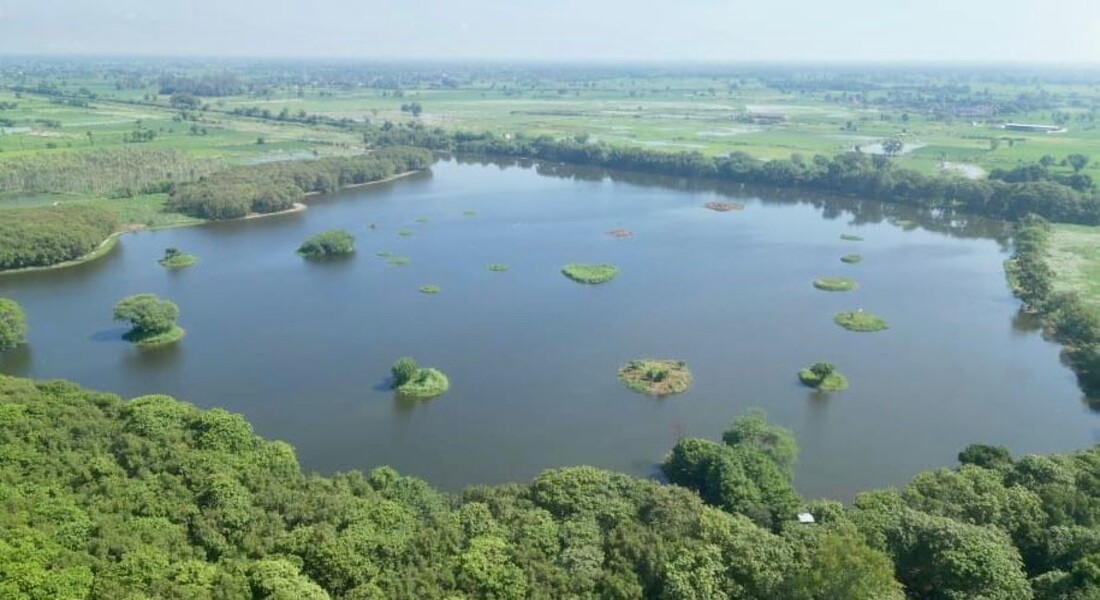
New Delhi: Union Minister for Environment, Forest, and Climate Change Bhupender Yadav on Wednesday announced that Shekha Jheel Bird Sanctuary in Aligarh, Uttar Pradesh, has been designated as a Ramsar site, marking a significant addition to India’s wetland network.

He noted that the inclusion of Shekha Jheel strengthens efforts towards biodiversity conservation, supports local livelihoods, and contributes to broader goals of water security and climate resilience.

With this recognition, Uttar Pradesh now has 12 Ramsar sites, while India’s total count has reached 99, moving the country closer to a milestone of 100 such wetlands.

In a post on X, the minister highlighted that Shekha Jheel serves as an important stopover along the Central Asian Flyway, providing seasonal habitat for several migratory bird species, including Bar-headed Geese, Painted Storks, and various types of ducks during the winter months.

“With PM Shri @narendramodi ji leading India’s ecosystem restoration mission, our commitment towards conservation of wetlands and natural habitat of animals, particularly that of birds, has yet again received a thumbs up from the global community,” he said.

General Anil Chauhan’s UK visit strengthens India-UK defence ties

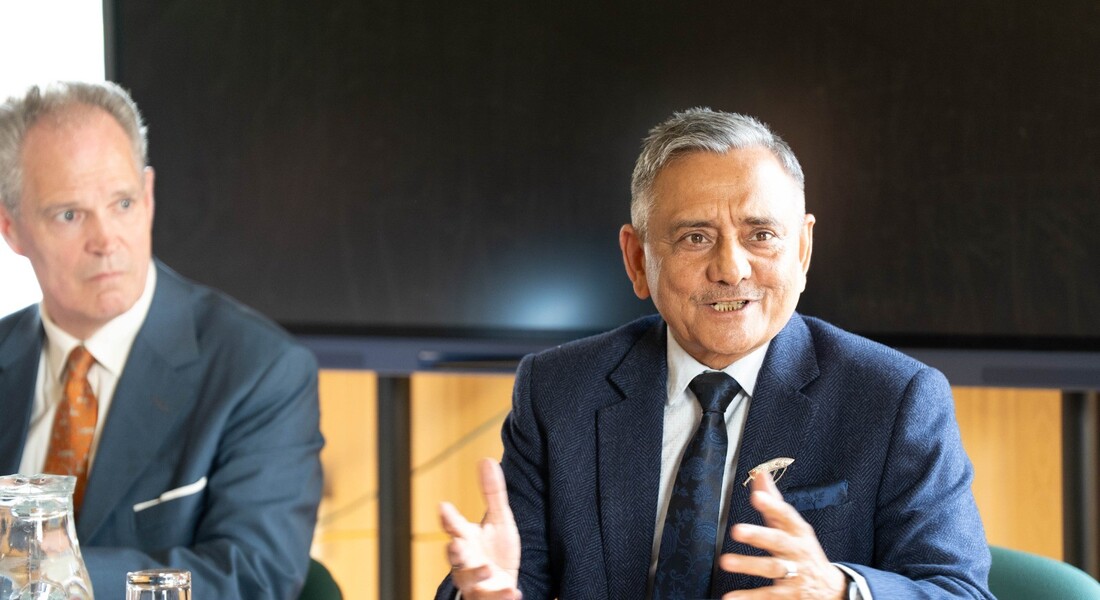
New Delhi: Chief of Defence Staff (CDS) General Anil Chauhan’s official visit to the UK focused on expanding strategic and defence cooperation between India and the UK, with both sides reaffirming their shared commitment to addressing emerging global and regional security challenges.

During his meetings with senior UK defence leadership, including Air Chief Marshal Sir Richard Knighton, discussions centred on contemporary issues such as global trade imbalances, cyber threats, and the evolving security landscape in the Indo-Pacific region. Both sides reportedly underlined the importance of closer coordination to promote regional stability and long-term peace.

As part of the visit, General Chauhan also paid tribute at the Memorial Gates on Constitution Hill in London, laying a wreath in honour of fallen soldiers. The gesture highlighted shared military traditions and the enduring values of remembrance, service, and sacrifice that continue to connect the armed forces of both nations, Headquarters Integrated Defence Staff said in a series of posts on X.

The CDS also interacted with leaders from the UK defence industry, where he emphasised the importance of stronger economic integration to enable collaboration in defence manufacturing, technology sharing, and supply chain resilience. He stressed that deeper industrial partnerships could support co-design, co-development, and co-production of advanced defence technologies.

In a separate engagement, General Chauhan held discussions with UK Minister of State for Defence Readiness and Industry Luke Pollard and senior officials. The talks focused on the changing nature of conflict and the need to deepen military-to-military cooperation across multiple domains.

Further discussions were held with UK Minister of State for Indo-Pacific Seema Malhotra, where both sides reviewed ongoing initiatives under the India–UK strategic partnership. The dialogue covered defence industrial cooperation, technology-driven security frameworks, and joint efforts to address emerging challenges in the Indo-Pacific region. Cooperation in cyber security, intelligence sharing, and space-related domains was also highlighted as a priority area.

The CDS also engaged with faculty and participants at the Royal College of Defence Studies, where views were exchanged on the evolving global security environment and its strategic implications. He later addressed a senior cohort on how recent conflicts are shaping military strategy, while outlining India’s perspective on emerging security dilemmas and its role in contributing to a stable global order.

NavPrakriti to set up over Rs 100 crore critical minerals refining facility in Odisha

Bhubneswar: Lithium-ion battery recycler NavPrakriti has outlined a major expansion plan with an investment of over Rs 100 crore to build a critical minerals refining facility in Odisha, strengthening India’s push towards battery recycling and resource security.

The proposed unit, scheduled to be operational by FY 2028-29, will focus on recovering key minerals from used batteries as part of a broader effort to support the country’s circular economy and reduce import dependence, according to the company.

The firm has been recognised as eligible under the National Critical Mineral Mission for extraction activities involving lithium, cobalt, and nickel, positioning it within India’s strategic push to secure essential battery materials domestically.

The upcoming Odisha plant is designed to process around 5,000 metric tonnes per annum of end-of-life batteries, with an emphasis on high-purity recovery of critical minerals including lithium, cobalt, nickel, and select rare earth elements.

Company leadership indicated that the investment is intended to set new benchmarks in responsible recycling and advanced mineral recovery, while also generating broader economic impact through job creation and industrial development. It is estimated that the project could support more than 500 direct and indirect employment opportunities.

NavPrakriti is also working on strengthening its research and development capabilities through collaborations with leading national and international institutions, focusing on improving chemical recovery processes and battery refurbishment technologies.

Founded in 2024 by Akhilesh Bagaria and Avnish Bagaria, the company currently operates its first lithium-ion battery recycling facility in Serampore, West Bengal. The unit, already functional, has an annual processing capacity of 12,000 tonnes and is designed to scale up to 24,000 tonnes.

The Odisha project will mark the company’s second major facility, expanding its footprint in the critical minerals segment and reinforcing its supply chain capabilities for India’s clean energy ecosystem.

The promoters also highlighted that the company is actively engaging with battery manufacturers and original equipment makers, with plans to build partnerships with over 150 stakeholders in the sector over the next three years, driven by the growing demand for recycled battery materials.

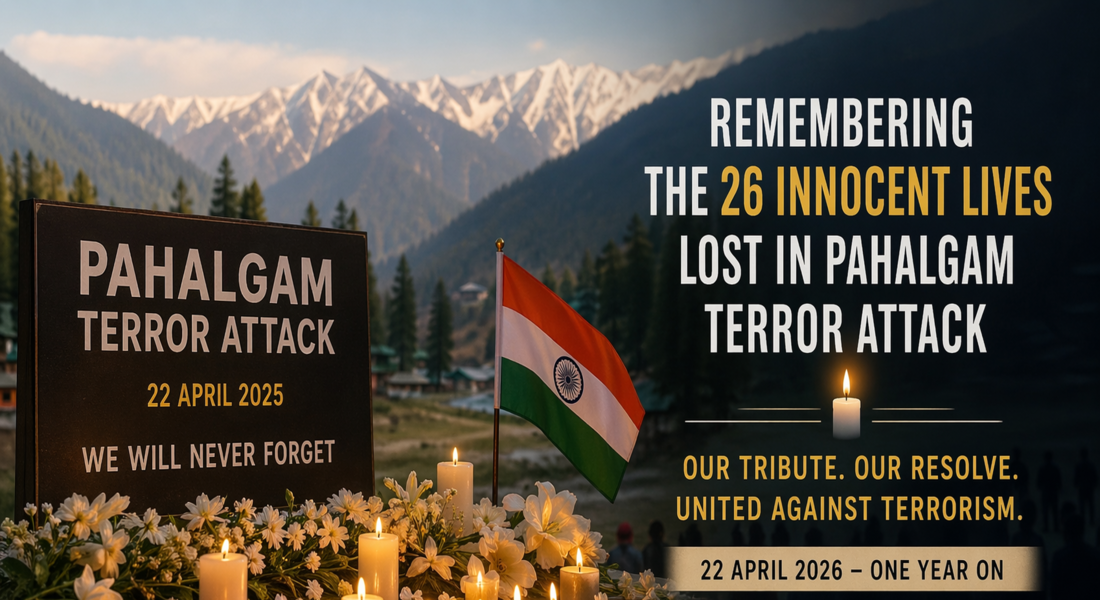
India pays tribute to 26 victims of Pahalgam terror attack on first anniversary

New Delhi: India on Wednesday marked the first anniversary of the Pahalgam terror attack, paying tribute to the 26 people who lost their lives in the incident and reaffirming the nation’s resolve against terrorism.

On April 22, 2025, gunmen from The Resistance Front, linked to Pakistan-based Lashkar-e-Taiba, had opened fire in Pahalgam, killing 25 tourists and one local pony operator. The attackers had reportedly targeted non-Muslims who could not recite the Kalma. Around 20 others were injured in the incident.

The National Investigation Agency later traced the alleged mastermind to Pakistan, though Islamabad has denied any involvement. Following the attack, security measures in the region were intensified, and Kashmir witnessed vigils by locals calling for peace alongside the gradual return of tourists.

On the first anniversary, Prime Minister Narendra Modi recalled the victims and said the innocent lives lost in the attack would never be forgotten. In a post on X, he expressed solidarity with the bereaved families and said the nation stands united in grief and resolve.

Modi reiterated that India will never bow to terrorism and that such designs will never succeed.

External Affairs Minister Dr. S. Jaishankar also paid tribute to the victims, stating that India stands firm in its resolve to counter terrorism in all forms and manifestations.

In a post on X, Union Home Minister Amit Shah described the attack as horrific and said the grief of losing innocent lives continues to be felt across the country. He reiterated India’s zero-tolerance policy towards terrorism and those who support it, adding that the nation must remain united in the fight against it.

Defence Minister Rajnath Singh too paid homage to those killed in what he termed a cowardly attack in Jammu and Kashmir. India continues to share the pain of the victims’ families and would never forget the wounds inflicted on the nation, he said in a post on X.

Singh also noted that India’s response to cross-border terrorism has become firm, decisive, and unwavering, stating that any attempt to harm the country or disrupt unity would be met with strength and clarity.

Leader of Opposition Rahul Gandhi also paid tribute, remembering the victims as “brave heroes” and expressing solidarity with their families.

In a post on X, he said the nation would never forget their sacrifice or forgive those responsible, adding that India remains united against terrorism and violence and will continue to stand against forces spreading hatred and fear.

In a separate statement, the European Union and its 27 member states expressed solidarity with India on the commemoration day. They said they stand with the people of India in remembrance of the innocent victims, honour their memory along with their families and Indian authorities, and reiterated their outright condemnation of terrorism in all its forms, stating that it can never be justified.

Across the country, tributes were paid to the victims as leaders and citizens reaffirmed their commitment to unity and the fight against terrorism.

Defence Minister Rajnath Singh pitches co-development and strategic cooperation in Berlin

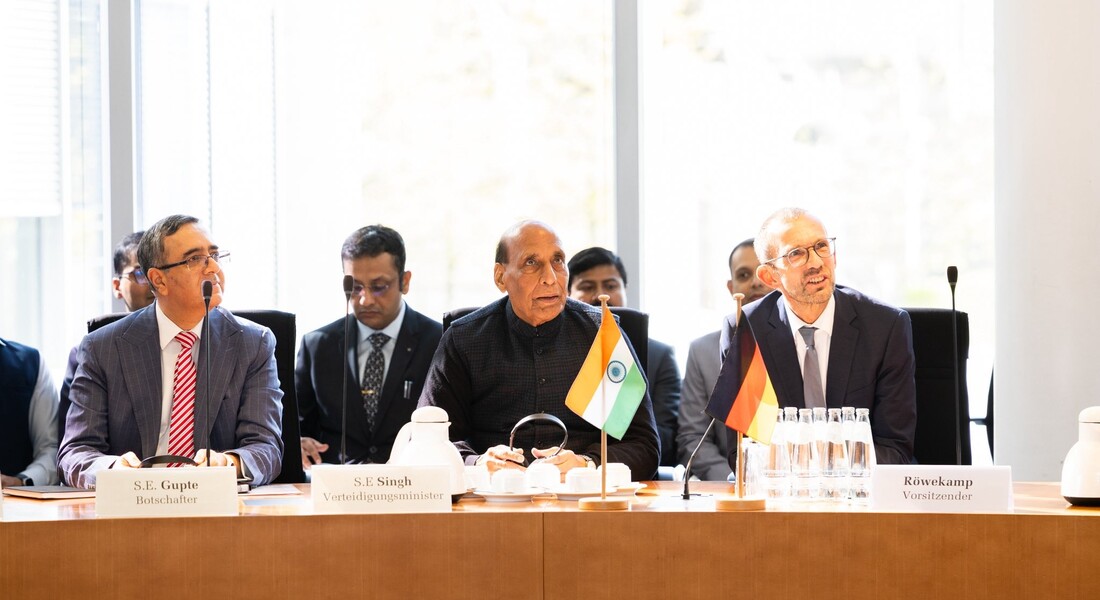
New Delhi: Defence Minister Rajnath Singh has called for deeper industrial and strategic cooperation between India and Germany.

He stressed that India’s defence transformation under the leadership of Prime Minister Narendra Modi is opening new avenues for co-development, co-creation, and co-innovation in advanced technologies.

During his address to members of the German Parliament’s Standing Committee on Defence and Security in Berlin on Tuesday, Singh conveyed that India’s “Aatmanirbhar Bharat” initiative should be understood as a collaborative framework rather than a procurement programme alone. According to him, it is designed to encourage joint innovation and shared development between partner nations.

He noted that the global security environment is undergoing rapid change, driven by technological shifts and emerging threats, making adaptability and coordinated international responses increasingly necessary, according to an official statement.

Highlighting the evolving defence landscape in India, the minister pointed to growing participation from both established defence companies and emerging start-ups. He observed that India’s industrial ecosystem is expanding in a way that complements Germany’s strengths, particularly its major industrial firms and its network of small and medium-sized enterprises known for innovation in advanced technologies.

Singh further underlined that defence cooperation between India and Germany has natural synergies and can be significantly strengthened through deeper industry-to-industry partnerships, according to an official statement.

He also said that coordination at a broader geopolitical level has gained importance amid global uncertainty. He referred to growing alignment between India, Germany, and the European Union in expanding strategic engagement, including through the India–EU defence and strategic partnership framework.

Describing India and Germany as stable democracies with strong industrial and technological capabilities, Singh noted that both countries share common values and a commitment to innovation-led growth. He added that sustained parliamentary and institutional engagement would play a key role in shaping the future of bilateral defence cooperation.

Addressing global instability, the minister said current geopolitical disruptions can no longer be viewed as isolated regional issues, as they increasingly affect energy security, food supply chains, inflation, and global economic stability. He specifically pointed out that disruptions in regions such as West Asia have direct consequences for India’s energy security due to its dependence on imported fuel.

He also informed the parliamentary committee that India has established an inter-ministerial group to continuously monitor developments in West Asia and recommend timely policy responses. This mechanism, he said, focuses on safeguarding energy supplies, ensuring availability of essential goods, managing inflationary pressures, and protecting both citizens and industry from external shocks through coordinated governance.

The interaction was hosted by Member of Parliament and Committee Chairman Thomas Roewekamp. Earlier in the day, Singh paid tribute to Gurudev Rabindranath Tagore at Humboldt University in Berlin, reflecting the cultural and intellectual ties between India and Germany.