
The United States has announced the end of its offensive military operations against Iran, but fresh confrontations in the Strait of Hormuz are raising fears that the fragile ceasefire between the two countries may not hold for long.
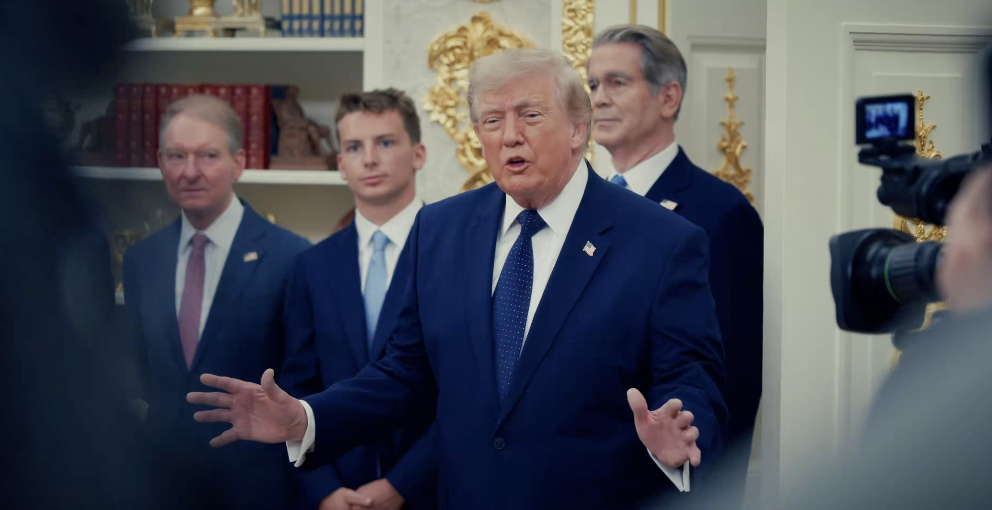
US Secretary of State Marco Rubio said Washington had completed its offensive phase against Iran, while warning that any future attacks on commercial shipping in the Gulf would trigger a “devastating” response. According to the New York Times, US President Donald Trump also urged Tehran to “do the smart thing” and return to negotiations, even as he maintained that Iran stood little chance militarily.
Despite the announcement, the military situation in the Gulf remains tense. American military officials said US Central Command remains prepared for further operations if required, signalling that Washington is maintaining a high level of readiness in the region.
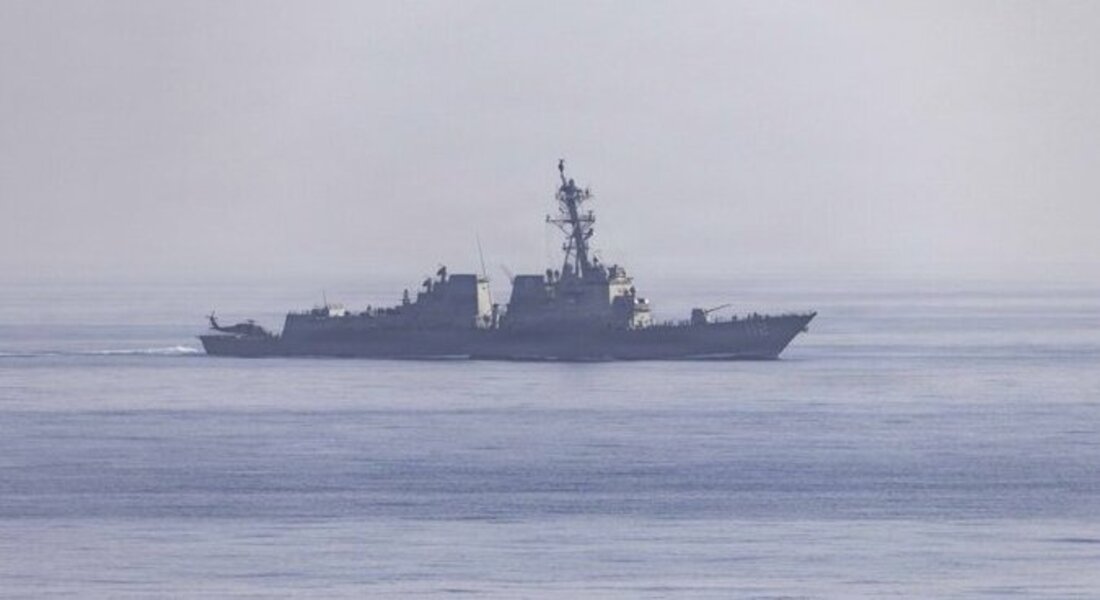
The latest escalation follows reports of clashes involving Iranian and US-linked vessels near the Strait of Hormuz, one of the world’s most strategically important shipping routes. The US accused Iranian boats of threatening maritime traffic, while Iran alleged that American forces attacked civilian passenger boats, resulting in casualties.
Iranian state media outlets IRIB and Tasnim reported that Tehran has denied launching missile or drone attacks against the United Arab Emirates, after Emirati authorities claimed to have intercepted aerial threats for a second consecutive day. Iranian military officials instead accused Washington of escalating tensions through aggressive naval actions in the Gulf.
Iran’s Revolutionary Guards Navy has also warned ships against deviating from approved routes through the Strait of Hormuz, saying any interference in the maritime regime would face a “firm response”. Iranian leaders have continued to reject US pressure while insisting they remain open to diplomacy.
The Strait of Hormuz remains central to the crisis, with nearly one-fifth of the world’s oil supply passing through the narrow waterway. Any prolonged disruption threatens to deepen global energy instability, with rising oil and shipping costs already triggering concerns in international markets.
The continuing standoff has also alarmed European allies. European Commission President Ursula von der Leyen described the attacks in the region as “unacceptable”, while leaders from Germany, France and the United Kingdom called for urgent diplomatic engagement to prevent a wider conflict.
Although both Washington and Tehran continue to publicly speak of dialogue, the renewed military exchanges and aggressive rhetoric suggest that the ceasefire remains highly unstable.