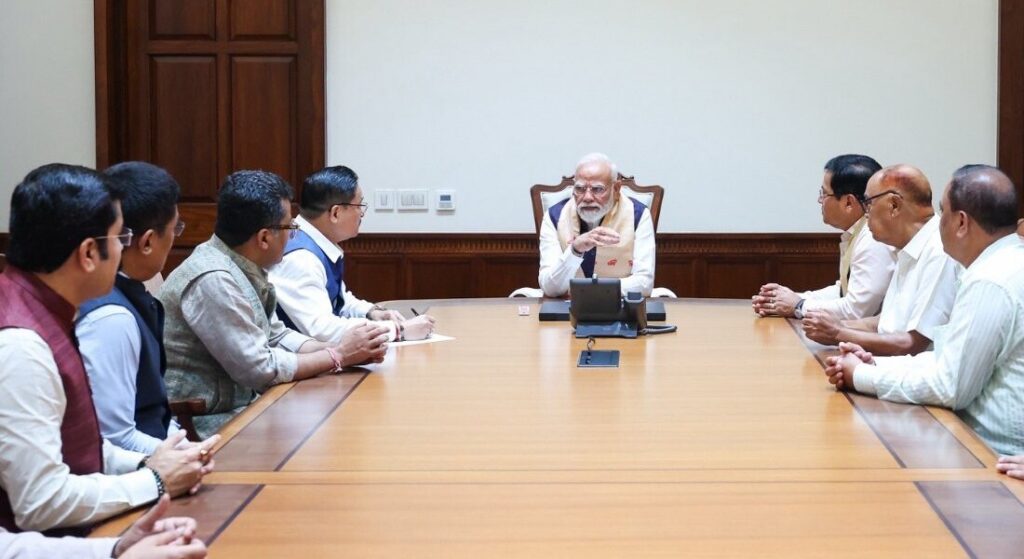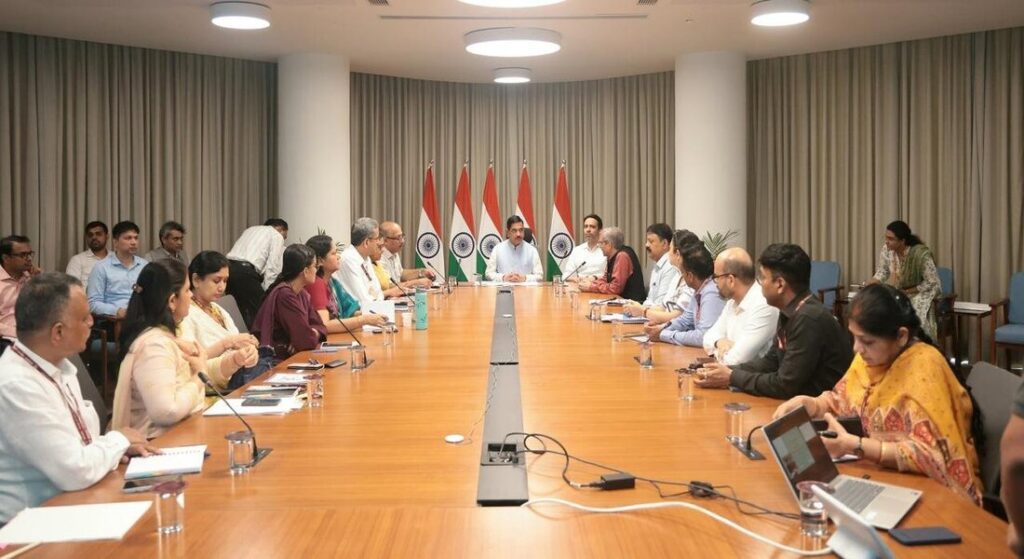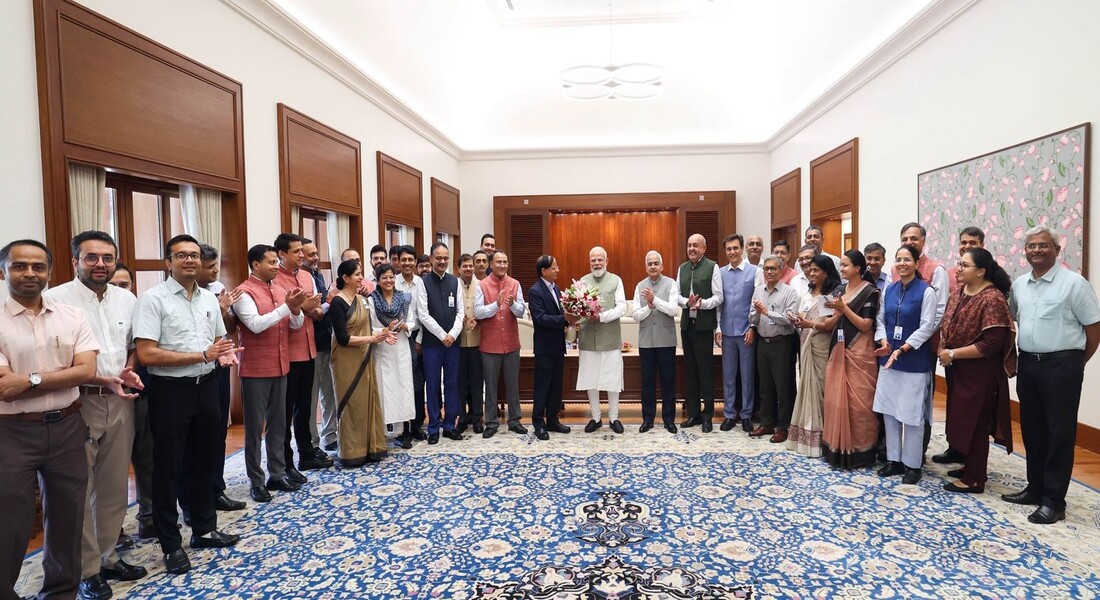

NEW DELHI: The Union Cabinet on Wednesday adopted a resolution congratulating Prime Minister Narendra Modi on becoming the longest-serving elected PM in India’s history, describing the achievement as a landmark moment in the country’s democratic journey.
According to the resolution, Modi has completed 4,399 consecutive days as an elected Prime Minister, surpassing the previous record of 4,398 continuous days held by Jawaharlal Nehru between 1952 and 1964.
The Cabinet said the milestone reflected public trust, democratic participation, and sustained support for leadership guided by the principle of “Nation First”. It extended its congratulations and best wishes to the PM, noting that the achievement comes as the NDA government completes 12 years in office under his leadership.
The resolution also highlighted that Modi is approaching 25 years of uninterrupted service as head of government, including his tenure as Chief Minister of Gujarat and PM, according to an official statement.
Recalling Modi’s pledge to serve as the country’s “Pradhan Sevak” after assuming office in 2014, the Cabinet credited his government with placing welfare and inclusive development at the centre of governance.
It cited the expansion of housing, electricity, drinking water, direct benefit transfers, free foodgrain distribution, and healthcare coverage among major initiatives undertaken during the period.
The Cabinet further stated that government policies had contributed to lifting more than 25 crore people out of poverty and strengthening confidence among citizens.
Highlighting initiatives aimed at young people, the resolution pointed to the growth of India’s startup ecosystem, advances in science and technology, and achievements such as the Chandrayaan mission. It also underscored measures focused on women’s empowerment, including the women’s reservation legislation and programmes designed to improve economic participation.
The document noted support extended to farmers through schemes such as PM-Kisan and the expansion of Kisan Credit Cards to other rural sectors, while also citing growth in agricultural exports.
The Cabinet further referred to several major policy decisions and legislative measures undertaken during the government’s tenure, including the abrogation of Article 370, the implementation of the Goods and Services Tax, One Rank One Pension, the Citizenship Amendment Act, the Bharatiya Nyaya Sanhita, and labour law reforms.
On national security, the resolution highlighted actions against terrorism, cross-border military operations, Operation Sindoor, and steps relating to the Indus Waters Treaty. It also referred to progress in tackling Left Wing Extremism, peace initiatives in the North-East, and efforts to address border-related issues.
The Cabinet credited programmes such as Make in India and Aatmanirbhar Bharat with boosting domestic manufacturing and strengthening India’s capabilities in sectors ranging from defence to emerging technologies. It also highlighted India’s international engagement through its G20 Presidency, International Yoga Day, the International Solar Alliance, and Mission LiFE.
Concluding the resolution, the Cabinet expressed gratitude for Modi’s contribution to governance, social welfare, economic development, and national security. It also reaffirmed support for his vision of a developed India by 2047 and wished him good health and a long life.