New Delhi: India and the United States have finally concluded a trade agreement under which Indian goods exported to the US will face a reduced tariff of 18 per cent, marking a significant development in bilateral trade ties after nearly a year of prolonged negotiations.
Prime Minister Narendra Modi announced the tariff reduction on Monday following a phone conversation with US President Donald Trump. Modi said the decision would benefit Indian exporters and strengthen economic cooperation between the two countries. He noted that the agreement would help unlock new opportunities for trade between the world’s two largest democracies.
Wonderful to speak with my dear friend President Trump today. Delighted that Made in India products will now have a reduced tariff of 18%. Big thanks to President Trump on behalf of the 1.4 billion people of India for this wonderful announcement.
— Narendra Modi (@narendramodi) February 2, 2026
When two large economies and the…
“Wonderful to speak with my dear friend President Trump today. Delighted that Made in India products will now have a reduced tariff of 18%. Big thanks to President Trump on behalf of the 1.4 billion people of India for this wonderful announcement,” Modi wrote in a post on X.
“When two large economies and the world’s largest democracies work together, it benefits our people and unlocks immense opportunities for mutually beneficial cooperation,” he added.
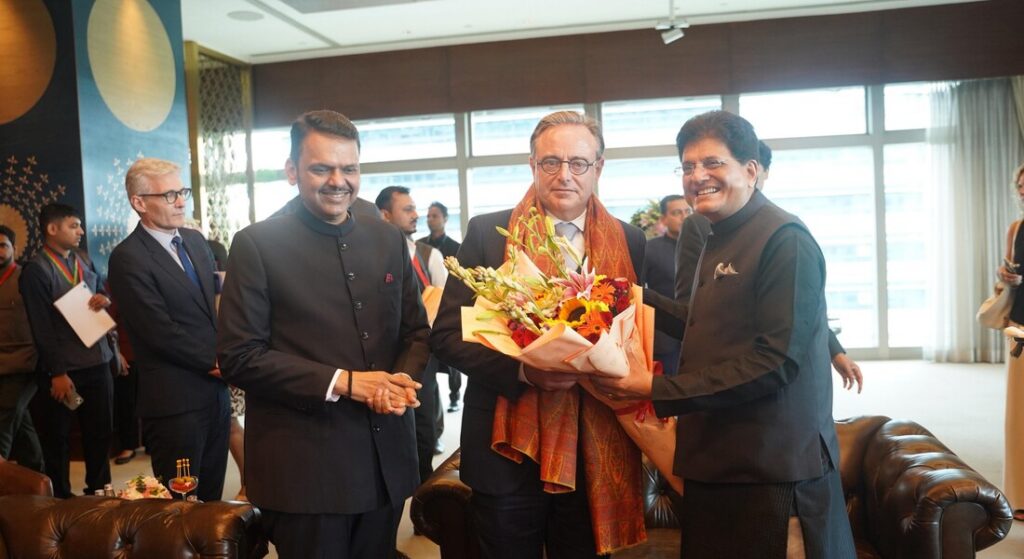
The confirmation of the deal came in stages, beginning with a social media post by US Ambassador Sergio Gor, followed by statements from President Trump and Prime Minister Modi. Union minister Ashwini Vaishnaw later confirmed that India and the US had reached a trade agreement, describing it as mutually beneficial.
President Trump said the agreement would take effect immediately and includes commitments by India to reduce tariffs and non-tariff barriers on US goods. He also stated that India would increase purchases of American products, including energy, technology, agricultural goods and coal, valued at more than $500 billion.
The reduced tariff of 18 per cent places India below several other countries facing higher duties in the US market. The agreement concludes nearly 12 months of negotiations that began during Prime Minister Modi’s visit to the United States last year, after bilateral trade ties came under strain due to tariff hikes and policy differences.
According to trade experts, the lower tariff is expected to benefit Indian export sectors such as textiles, apparel, seafood, chemicals, engineering goods, and gems and jewellery, which are highly sensitive to price changes. Engineering exports, including auto components and electrical equipment, operate on thin margins where tariff reductions can have an immediate impact on competitiveness.
Observers have also pointed out that the deal may help stabilise trade relations between India and the US after a period of uncertainty. Analysts note that a predictable tariff framework could allow bilateral trade to grow more steadily in the coming years once the agreement is fully implemented.
The agreement has also drawn political reactions at home. The Congress party has demanded that the government place the full text of the India–US trade deal, along with the recently concluded India–EU trade agreement, before Parliament for discussion. Senior Congress leader Jairam Ramesh said Parliament should be taken into confidence, particularly on issues related to market access and agricultural imports.
Ramesh alleged that the details shared by President Trump raised concerns and called for a debate while Parliament is in session. The government has not yet responded to the demand for a parliamentary discussion on the trade deal.
The India–US trade agreement follows multiple rounds of formal and informal negotiations over the past year, including visits by US trade officials to India. While the detailed provisions of the deal are yet to be made public, both sides have described the agreement as a step towards strengthening economic cooperation and restoring momentum to bilateral relations.