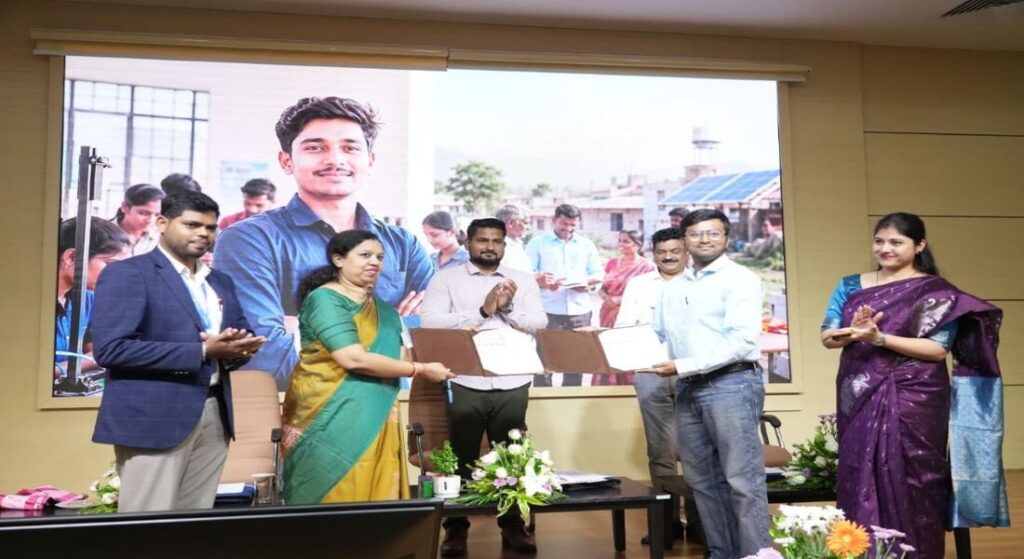
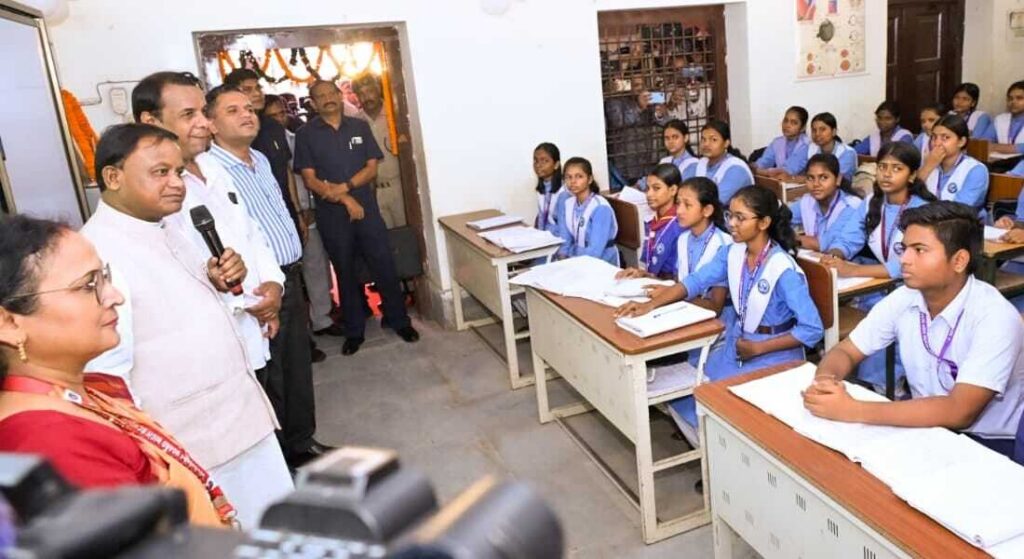
Bhubaneswar: Odisha has begun institutionalising a Gender Responsive Cell (GRC) in agriculture, Deputy Chief Minister Kanak Vardhan Singh Deo said on Friday, urging stronger women’s participation in policy.
Addressing the Inception Workshop on “Institutionalising the Gender Responsive Cell, its Framework and Roadmap” in Bhubaneswar, Singh Deo emphasised that gender-responsive development must move beyond policy intent and translate into measurable outcomes on the ground.
He noted that women have historically played a central role in India’s agrarian systems, yet their contributions often remain unrecognised.
The deputy CM underlined the need to formally recognise women as farmers, ensure land and asset ownership in their names, promote sustainable agricultural practices, and revive traditional knowledge systems.
He described the proposed GRC as a critical institutional reform aimed at embedding gender equity into agricultural planning and implementation.
In a post on X, Singh Deo said: “Agricultural transformation cannot be built on invisible labour. Empowering women farmers means empowering Odisha’s future.”
I was privileged to address the Inception Workshop on Gender-Responsive Agriculture at Mayfair Lagoon today. Our civilisational history reminds us that equity was never alien to India—it was deeply rooted in our traditions. Women have always been the backbone of our food systems,… pic.twitter.com/LvGTEoQV3f
— Kanak Vardhan Singh Deo (Modiji Ka Parivar) (@KVSinghDeo1) February 13, 2026
Senior officials and subject experts at the workshop described the GRC as a significant governance reform and a transformative step in strengthening public systems. They highlighted the importance of structured monitoring mechanisms, gender-disaggregated data, and policy alignment to ensure inclusive agricultural growth.
The workshop was organised by the Department of Agriculture and Farmers’ Empowerment in collaboration with the International Food Policy Research Institute, with support from the Gates Foundation.
Participants said the initiative reinforces Odisha’s position as a frontrunner in gender-responsive agricultural governance. The roadmap discussed at the workshop aims to integrate gender considerations into budgeting, programme design, and policy evaluation processes across the agriculture sector.