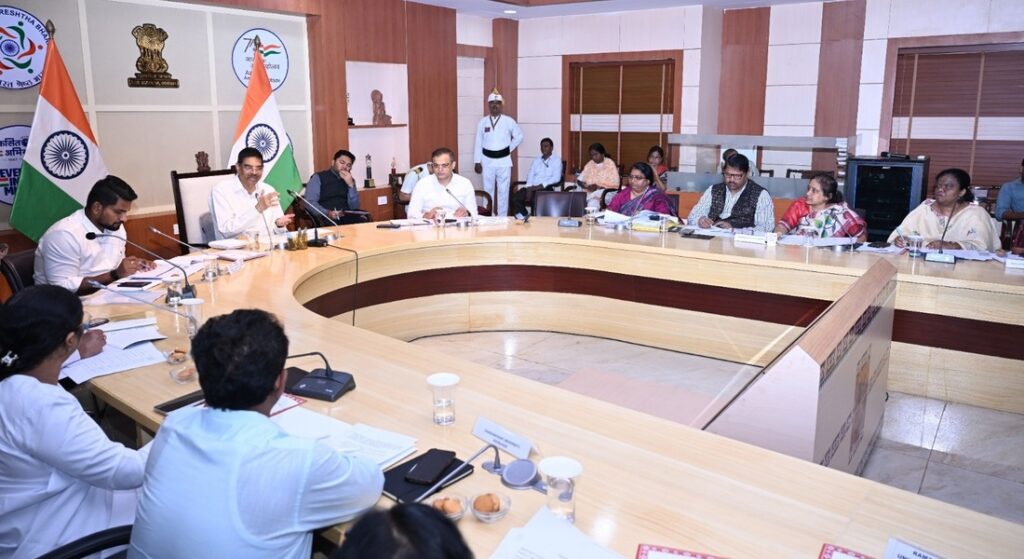
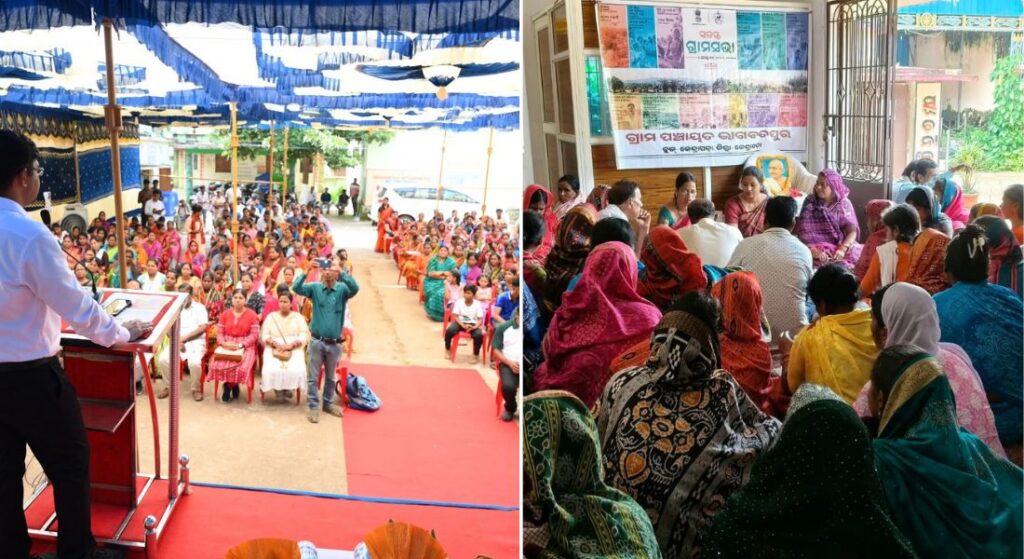
Bhubaneswar: Odisha has stepped up its push to strengthen rural livelihoods through sericulture with the launch of a five-day farmers’ training programme on tasar host plant nursery and its management at the Odisha State Sericulture Research and Training Institute.
The training, held at the institute’s “Resha Bhavan” facility, will run from June 19 to 23. It aims to improve scientific practices in Tasar cultivation and enhance income opportunities for tribal and rural farming families engaged in silk production.
Commissioner-cum-Secretary, Handlooms, Textiles and Handicrafts Department, Guha Poonam Tapas Kumar, inaugurated the programme and highlighted that sericulture provides a year-round and sustainable livelihood option for farmers in the state.
She said around 15,000 traditional families, involving nearly one lakh people, are engaged in sericulture in Odisha. The sector covers all four major silk varieties – Mulberry, Tasar, Eri, and Muga.
Tasar sericulture remains the most widespread in the state, supporting more than 46,000 Scheduled Tribe and Scheduled Caste families across 14 districts, including Mayurbhanj, Keonjhar, Sundargarh, and Koraput. The activity generates around ₹6 crore annually for tribal farmers.
Eri and Mulberry silk production also continues to provide a steady rural income. Eri cultivation spans 15 districts and supports about 2,000 farmers, while Mulberry sericulture is practised in 12 districts, benefitting nearly 1,000 ST and SC farmers.
Officials said Odisha produces about 50,000 tasar cocoons annually, along with 7 metric tonnes of Eri cocoons and 40,000 kg of Mulberry cocoons, contributing to rural income generation with low investment requirements.
During the programme, the government also outlined ongoing initiatives such as sericulture sheds, insurance support for farmers, women-focused training programmes, and plans to revive the spinning unit at Bhagamunda in Keonjhar.
Director of Textiles and Handlooms Somesh Kumar Upadhyay said Rs 274 crore will be invested over the next five years under the Chief Minister’s Sericulture Development Scheme to strengthen all four silk varieties in Odisha.
He also said 11 training programmes will be held within a year, targeting 165 beneficiaries in local languages to improve skill development at the grassroots level.
Officials noted that Odisha has secured first place in the Sericulture Review conducted by the Central Silk Board, reflecting strong performance in the sector.
The programme also featured demonstrations of silk processing technologies and a plantation drive under the “Ek Ped Maa Ke Naam” campaign.