At IndiaVerve, we go beyond the noise to bring you meaningful stories of change, resilience and progress—from India to the world stage. Our mission is to bring readers credible, wide-ranging coverage across politics, business, sports, culture, society and more.

Govt introduces new SOP to streamline apartment registration process

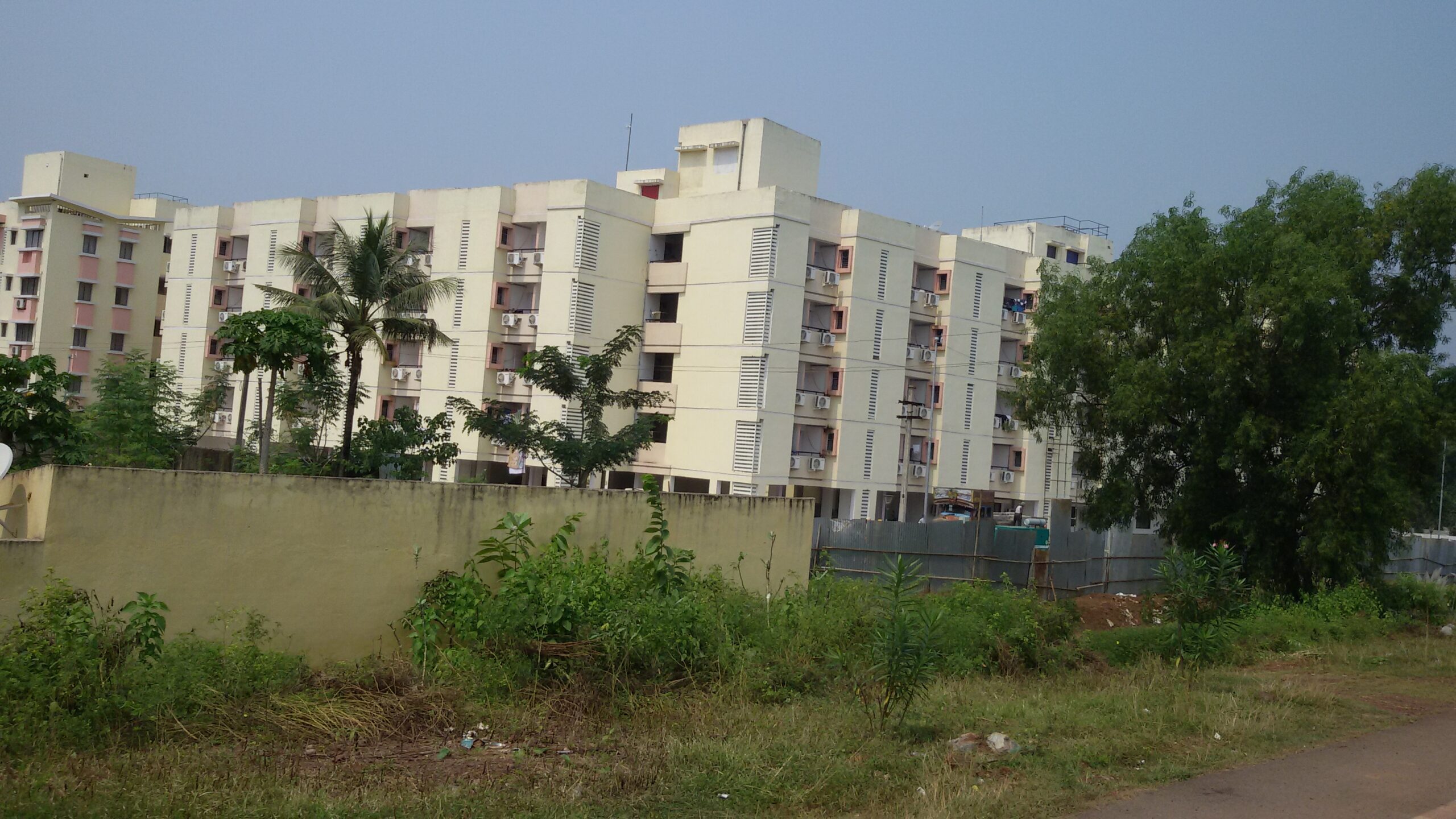
Bhubaneswar: The Odisha Government has introduced a new Standard Operating Procedure (SOP) for apartment registration, aiming to make the process more transparent, streamlined and uniform across the state.

The SOP has been jointly issued by the Revenue and Disaster Management Department and the Housing and Urban Development Department. According to the government, the move seeks to address ambiguities arising from varying interpretations of the Odisha Apartment (Ownership and Management) Act, 2023, the Real Estate (Regulation and Development) Act, 2016 (RERA), and the Registration Act, 1908.

The newly issued guidelines establish a standardised framework for apartment registration and clearly define documentation requirements, verification procedures and registration conditions.

Under the SOP, apartment registrations have been divided into three categories: resale of pre-RERA apartments, first sale of unsold flats in pre-RERA projects and post-RERA apartments. For each category, the SOP specifies the documents required and the procedures to be followed before registration can be completed.

The government has prescribed stricter compliance requirements for post-RERA apartments. Registration of such properties will require adherence to Odisha RERA registration provisions wherever applicable, possession of an Occupancy Certificate, registration of the Association of Allottees and registration of the Declaration under Section 9 of the Odisha Apartment (Ownership and Management) Act.

The SOP also makes compliance with provisions related to the transfer of common areas and amenities mandatory before registration is approved. Registration of post-RERA apartments will be allowed only after clearance from the competent authority concerned.

To ensure administrative clarity, the SOP clearly defines the roles and responsibilities of competent authorities operating under different jurisdictions, including the Bhubaneswar Municipal Corporation, various Development Authorities and Revenue Sub-Divisions.

The state government has retained the existing one per cent concession in stamp duty for apartment transfers executed in favour of women. In addition, nominal stamp duty and registration fees have been prescribed for deeds relating to the transfer of common areas and amenities to Associations of Allottees.

Officials said the new framework is expected to simplify registration procedures while ensuring greater accountability and consistency in the real estate sector.

According to an official release, the SOP is intended to make apartment registration more citizen-centric while protecting the interests of apartment buyers and strengthening governance in the housing sector.

The initiative is expected to benefit homebuyers, developers, resident associations and registration authorities by providing greater clarity and reducing procedural uncertainties in apartment transactions across Odisha.

Odisha launches farmers’ training on tasar sericulture to boost rural livelihoods

Bhubaneswar: Odisha has stepped up its push to strengthen rural livelihoods through sericulture with the launch of a five-day farmers’ training programme on tasar host plant nursery and its management at the Odisha State Sericulture Research and Training Institute.

The training, held at the institute’s “Resha Bhavan” facility, will run from June 19 to 23. It aims to improve scientific practices in Tasar cultivation and enhance income opportunities for tribal and rural farming families engaged in silk production.

Commissioner-cum-Secretary, Handlooms, Textiles and Handicrafts Department, Guha Poonam Tapas Kumar, inaugurated the programme and highlighted that sericulture provides a year-round and sustainable livelihood option for farmers in the state.

She said around 15,000 traditional families, involving nearly one lakh people, are engaged in sericulture in Odisha. The sector covers all four major silk varieties – Mulberry, Tasar, Eri, and Muga.

Tasar sericulture remains the most widespread in the state, supporting more than 46,000 Scheduled Tribe and Scheduled Caste families across 14 districts, including Mayurbhanj, Keonjhar, Sundargarh, and Koraput. The activity generates around ₹6 crore annually for tribal farmers.

Eri and Mulberry silk production also continues to provide a steady rural income. Eri cultivation spans 15 districts and supports about 2,000 farmers, while Mulberry sericulture is practised in 12 districts, benefitting nearly 1,000 ST and SC farmers.

Officials said Odisha produces about 50,000 tasar cocoons annually, along with 7 metric tonnes of Eri cocoons and 40,000 kg of Mulberry cocoons, contributing to rural income generation with low investment requirements.

During the programme, the government also outlined ongoing initiatives such as sericulture sheds, insurance support for farmers, women-focused training programmes, and plans to revive the spinning unit at Bhagamunda in Keonjhar.

Director of Textiles and Handlooms Somesh Kumar Upadhyay said Rs 274 crore will be invested over the next five years under the Chief Minister’s Sericulture Development Scheme to strengthen all four silk varieties in Odisha.

He also said 11 training programmes will be held within a year, targeting 165 beneficiaries in local languages to improve skill development at the grassroots level.

Officials noted that Odisha has secured first place in the Sericulture Review conducted by the Central Silk Board, reflecting strong performance in the sector.

The programme also featured demonstrations of silk processing technologies and a plantation drive under the “Ek Ped Maa Ke Naam” campaign.

Cockroach Janta Party seeks ₹1 crore compensation for families of NEET aspirants who died by suicide

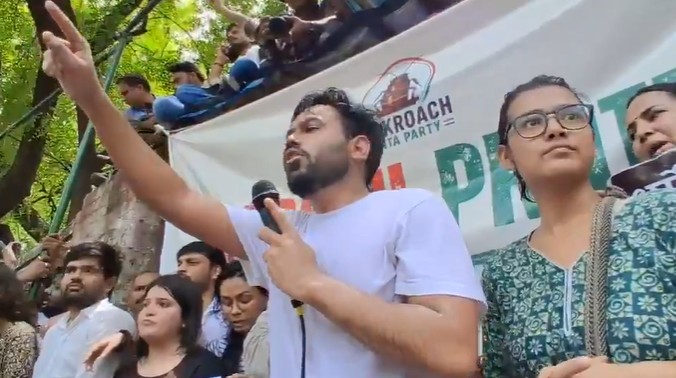
New Delhi: The Cockroach Janta Party (CJP) has demanded compensation of ₹1 crore for families of students who allegedly died by suicide amid the ongoing controversy surrounding the National Eligibility-cum-Entrance Test (NEET) and the subsequent re-examination process.

In an open letter addressed to Prime Minister Narendra Modi, CJP founder Abhijeet Dipke said the families of affected students are facing both emotional and financial distress following the deaths of several aspirants. According to Dipke, 11 NEET aspirants died by suicide during the past week, including five deaths reported within a span of 48 hours.

“We demand that your administration release a compensation amount of one crore rupees to all families who have suffered from a suicide due to the compounding crisis of paper leaks,” Dipke wrote in the letter. He argued that many families had invested heavily in their children’s education, often through loans, in the hope of securing a better future.

“In pursuit of a better future, many had taken out massive educational loans to support their children’s dreams, that were cruelly shattered by systemic failures,” Dipke stated in his letter posted on his X handle.

The CJP has been demanding the resignation of Union Education Minister Dharmendra Pradhan over alleged irregularities in national examinations. Dipke said students were seeking accountability from authorities in the wake of the controversy.

“All that we students want is to see some accountability for the loss of lives,” he said.

“Holding leadership accountable is a vital step toward restoring the faith of millions of students and parents in our educational framework. If swift and decisive action is not taken to address these systemic failures and change the leadership responsible for them, it inadvertently sends a message that the administration accepts the status quo,” the letter added.

The appeal comes amid reports of student suicides from several states following the cancellation of the NEET examination conducted on May 3. The examination was scrapped after allegations of a question paper leak surfaced, prompting authorities to schedule a fresh test on June 21.

More than 2.27 million candidates had appeared for the examination across 551 cities before it was cancelled.

As preparations for the re-examination continue and the Central Bureau of Investigation (CBI) probes the alleged leak, reports of student deaths from Gujarat, Tamil Nadu, Rajasthan, Delhi, Uttar Pradesh, Uttarakhand, Maharashtra and Karnataka have intensified concerns over the mental health impact of the crisis.

Among the recent cases, a 23-year-old NEET aspirant in Dehradun, Uttarakhand, reportedly died by suicide on Tuesday. According to media reports, she had been preparing for the re-examination and had an outstanding academic record, including scoring 96.7 per cent in Class 12 and later becoming a college topper.

In another incident, a 17-year-old student preparing for the NEET re-test died after allegedly falling from the sixth floor of a residential building in Ahmedabad’s New Ranip area early on Wednesday, police said.

The controversy surrounding NEET has triggered widespread debate over examination security, student welfare and accountability within India’s education system, with student groups and activists continuing to press for reforms.

Macau Open: Ashmita Chaliha storms into semi-finals

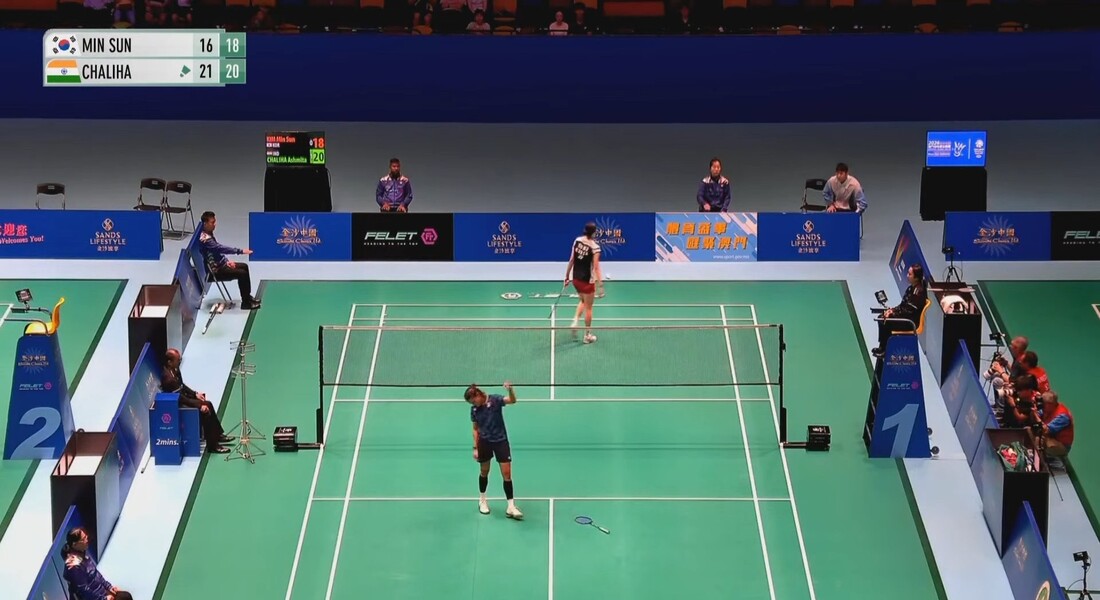
New Delhi: India’s Ashmita Chaliha stormed into the semi-finals of the Macau Open 2026 badminton tournament on Friday.

It was Ashmita’s maiden semi-final appearance on the BWF World Tour in over two years.

The Indian shuttler defeated world No. 99 Kim Min Sun of the Republic of Korea in straight sets, 21-16, 21-18, according to reports.

Ranked 63rd in the world, Ashmita will face another South Korean shuttler, Park Ga-eun, in the semi-finals on Saturday.

India’s Anmol Kharb, meanwhile, suffered a defeat against fourth seed Han Qianxi of the People’s Republic of China in the quarter-finals.

With that loss, India’s singles challenge was further reduced at the tournament.

Meanwhile, India’s men’s campaign ended on Thursday after Tharun Mannepalli and Rounak Chouhan exited in the pre-quarterfinals.

India’s doubles campaign also ended on Thursday after the mixed pair Ishaan Bhatnagar and Shruti Mishra exited in the round of 16.

India on track for Rs 3 lakh crore defence production: Rajnath Singh

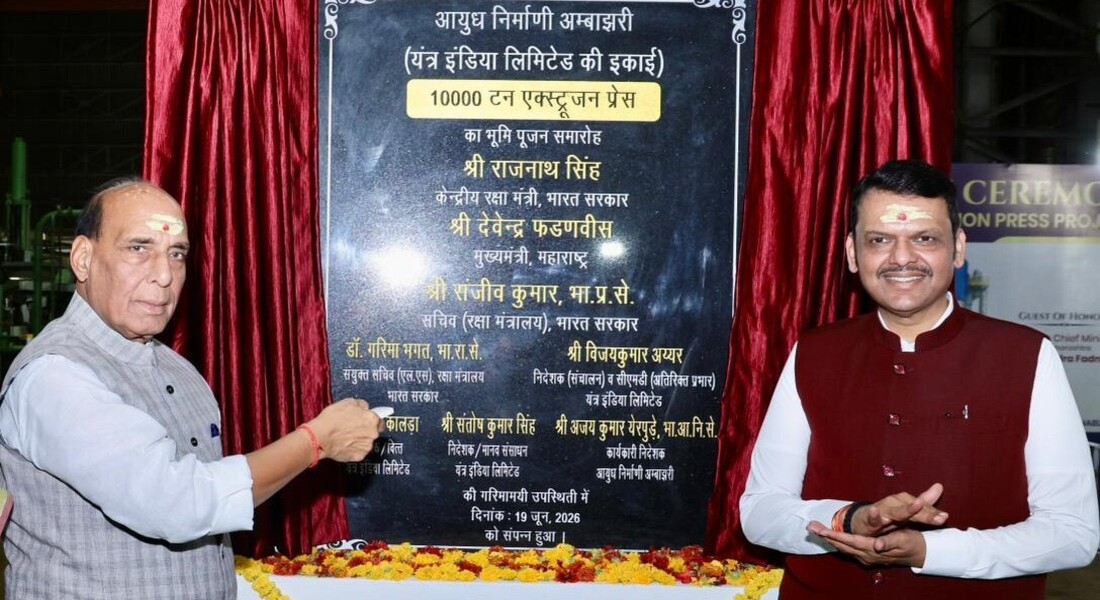
New Delhi: Defence Minister Rajnath Singh on Friday said India is on track to achieve its targets of Rs 3 lakh crore in defence production and Rs 50,000 crore in defence exports ahead of schedule, citing the rapid growth of the country’s indigenous defence manufacturing sector.

Speaking at the Bhoomi Pujan ceremony for a 10,000-tonne Aluminium Extrusion Press at Ordnance Factory Ambajhari in Nagpur, Singh said India’s defence production has increased from Rs 46,000 crore in 2014 to a record Rs 1.78 lakh crore in 2025-26. Defence exports have also surged from less than Rs 1,000 crore in 2014 to an all-time high of Rs 38,424 crore.

“We are poised to achieve the targets we have set for the next two to three years ahead of schedule,” Singh said.

The proposed 10,000-tonne Aluminium Extrusion Press will be developed at a unit of Yantra India Limited, according to an official statement.

It is expected to be one of the most advanced facilities of its kind in the country and will manufacture large and complex aluminium alloy profiles used in defence platforms, aerospace structures, missile programmes, railways, and other strategic sectors.

According to the defence minister, the project will reduce dependence on imported aluminium extrusions and strengthen India’s domestic supply chain for critical manufacturing requirements.

Singh further said modern fighter aircraft, missiles, and advanced space programmes require lightweight yet high-strength metals capable of withstanding extreme conditions. He described the new facility as a key step towards meeting those requirements through indigenous production.

Highlighting the role of domestically manufactured equipment in the success of Operation Sindoor, he stressed the need to further strengthen India’s defence industrial base and expand local manufacturing capabilities.

Singh also underlined the importance of research and development as well as capital investment in modern machinery. He said advanced manufacturing technologies improve efficiency, quality, and competitiveness, helping public sector enterprises meet future requirements.

Referring to the corporatisation of the erstwhile Ordnance Factory Board, Singh said the move has helped improve operational efficiency and innovation. Production by the former OFB units has increased from Rs 12,755 crore in 2019-20 to Rs 26,282 crore in 2025-26, while defence exports have risen from Rs 81 crore before corporatisation to Rs 4,561 crore. YIL alone contributed Rs 397 crore to exports.

Maharashtra Chief Minister Devendra Fadnavis, who attended the event, described the Aluminium Extrusion Press project as an important step towards achieving the vision of Aatmanirbhar Bharat and strengthening India’s position as a defence exporter.

Senior officials from the Department of Defence Production, Yantra India Limited, the armed forces, and industry were present on the occasion.

Odisha Vigilance unearths flat, 32 plots in DA raid on Koraput AEE

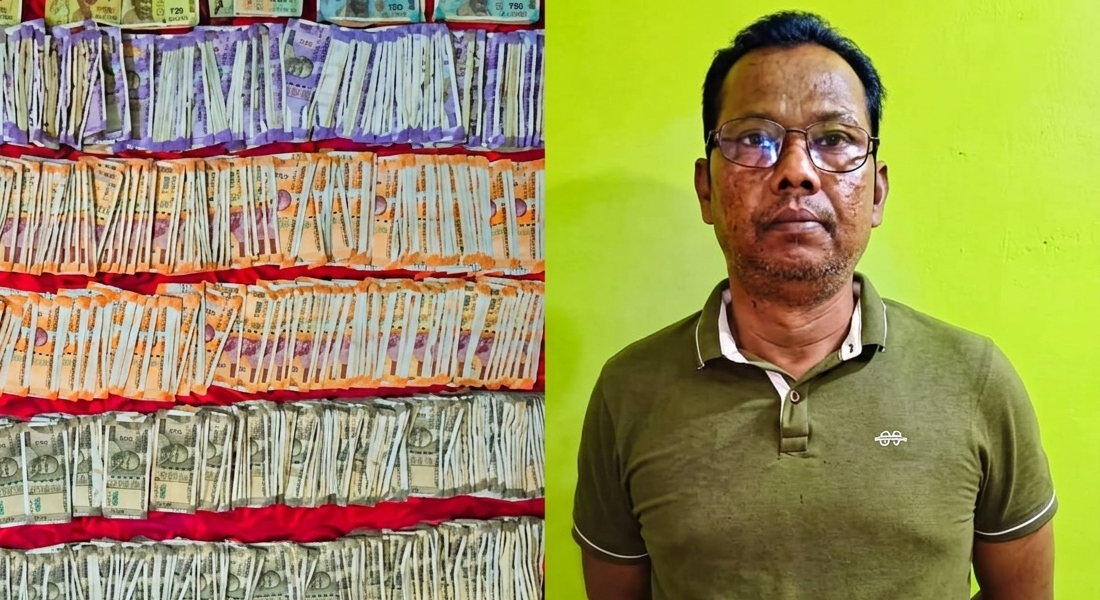
Bhubaneswar: Odisha Vigilance on Friday conducted simultaneous searches at seven locations linked to Satyanarayan Sethy, Assistant Executive Engineer (AEE) of Kotpad Block in Koraput district, over allegations of possession of Disproportionate Assets (DA) to his known sources of income.

The searches were carried out on the strength of warrants issued by the Special Judge, Vigilance, Jeypore. A vigilance team comprising seven Deputy Superintendents of Police, nine Inspectors, 11 Assistant Sub-Inspectors, and other supporting staff conducted raids at properties associated with Sethy in Koraput, Khordha, and Kendrapada districts.

The searches covered Sethy’s rented house at Parabeda in Jeypore, a residential flat in Jatani, his parental house in Kendrapada district, his government quarters at Kotpad, his office chamber, and two farm properties in Koraput district.

During the searches, Vigilance officials unearthed a range of assets allegedly linked to Sethy and his family members. These include a 2-BHK flat measuring around 1,000 sq ft at Hi-Tech Plaza in Jatani, Khordha district, a farmhouse spread over 10.03 acres with mango and eucalyptus plantations at Taragaon under Boriguma Tahasil, and another 4.35-acre farmhouse with Nilgiri plantation at the same location.

Officials also detected 32 plots under Jeypore, Boriguma, Kotpad, and Patangi tahasils in Koraput district. The measurement and valuation of the flat, plots and farm houses are being carried out by the Vigilance Technical Wing.

In addition, cash worth Rs 5.48 lakh and gold jewellery weighing around 300 grams were recovered during the searches. Details of bank deposits, postal savings, and other financial investments are being verified.

According to Vigilance, Sethy joined government service as a Junior Engineer on January 22, 1998, with an initial salary of Rs 7,100. He served in various postings in the Koraput and Nabarangpur districts before being promoted as an Assistant Engineer in 2015 and later as Assistant Executive Engineer in September 2025. He is currently serving as an AEE at Kotpad Block in Koraput district.

Vigilance officials said the searches were continuing and further details would be released after completion of the investigation.

US-Iran talks in Switzerland cancelled as tensions over Lebanon cloud peace process

Planned implementation talks are called off as Israel continues strikes in Lebanon, prompting criticism from US Vice President JD Vance

Planned talks between the United States and Iran in Switzerland aimed at implementing the recently signed 14-point agreement to end the conflict between the two countries have been abruptly cancelled, raising fresh questions about the future of the fragile peace process.

The negotiations were scheduled to begin on Friday in Obbürgen, Switzerland, as part of a 60-day framework established after US President Donald Trump and Iranian President Masoud Pezeshkian electronically signed a memorandum of understanding (MoU) earlier this week. The agreement sought to end hostilities, address Iran’s nuclear programme and facilitate the reopening of the Strait of Hormuz.

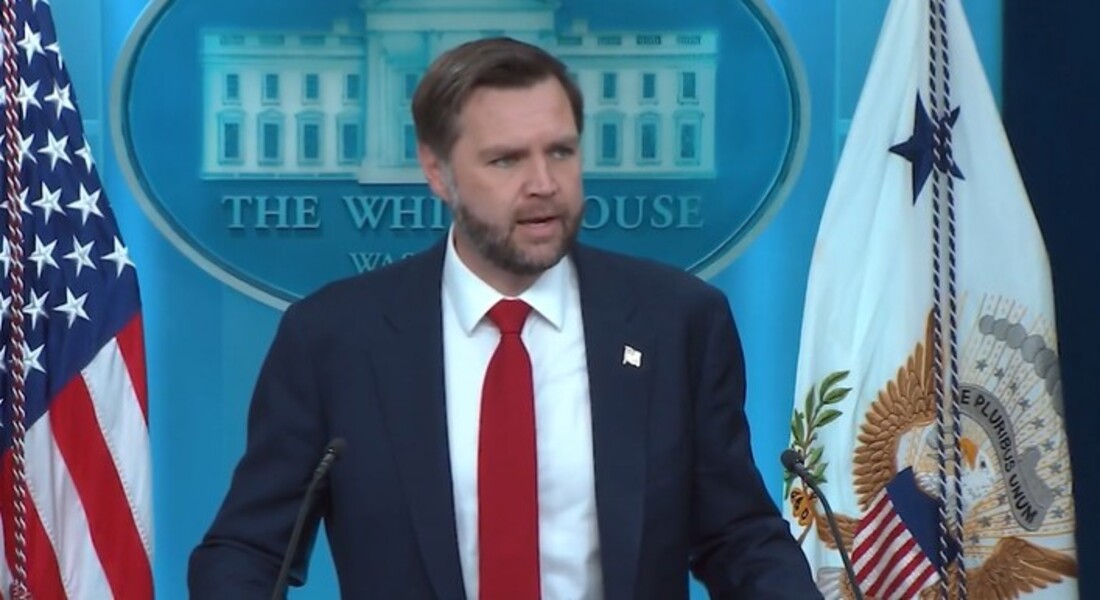
According to Switzerland’s foreign ministry, the talks have been called off. The White House subsequently confirmed that US Vice President JD Vance, who was expected to lead the American delegation, would no longer travel to Switzerland. “The logistics of these negotiations have never been simple or predictable. As of now the vice-president is not departing tonight,” a White House spokesperson said.

Despite the cancellation, Washington indicated that discussions would continue through technical channels. According to CNN, both sides have been working on confidential proposals to implement various elements of the 14-point agreement, including provisions related to Iran’s nuclear programme.

A Pakistani official source told CNN that the next phase would proceed through “separate technical-level tracks on multiple issues under this comprehensive framework.” Pakistan has played a key mediating role in the negotiations.

The cancellation comes amid growing tensions over Israel’s continued military operations in Lebanon. Vance openly criticised Israeli actions, suggesting that some operations had complicated efforts to secure a breakthrough with Iran.

Trump gets “frustrated” sometimes when they seem to be “on the cusp of a major breakthrough in the agreement, and then all of a sudden, there is a major explosion that goes off in a civilian population center in Beirut, and a lot of people who have nothing to do with Hezbollah lose their lives,” Vance said. “That’s not acceptable. That’s the sort of thing that we’ve asked for closer coordination, so that we ensure it doesn’t happen.”

He further stated, “The Israelis — just like everybody else — have to respect this peace process that is fundamentally good for them and good for the entire region.”

Responding to criticism of the agreement from some Israeli leaders, Vance added: “If I was in the cabinet of the Israeli government, I might not be attacking the only powerful ally that I have anywhere left in the entire world.”

The remarks came as Israeli forces continued strikes in southern Lebanon. According to Lebanon’s state-run National News Agency (NNA), at least 16 people were killed in overnight airstrikes in the Nabatieh district. Israel’s military said it was targeting Hezbollah positions and infrastructure in response to what it described as repeated ceasefire violations.

Meanwhile, Iran has reiterated that it will respond firmly to any breach of the agreement. Iran’s National Security Council warned of retaliation if the United States violates the deal, while chief negotiator Mohammad Bagher Ghalibaf said any breach or excessive demands would trigger a “crushing response”.

Developments surrounding the Strait of Hormuz also remain under scrutiny. Iran’s Supreme National Security Council announced that the newly established Persian Gulf Waterway Management Authority would oversee traffic through the strategic waterway. According to CNN, vessels will not be charged application fees for the next 60 days, although US President Trump has insisted the strait should reopen without tolls.

According to The Guardian, Trump described the agreement as a “major win” for the United States while indicating flexibility on issues including Iran’s civilian uranium enrichment programme and the release of frozen Iranian assets. The newspaper reported that the agreement has generated concern among Israeli officials and some Republican Party hardliners.

Even as formal negotiations have been postponed, diplomatic efforts appear set to continue, with all sides facing the challenge of converting the broad framework agreement into a durable and enforceable settlement.

Odisha government plans measures to curb drowning deaths

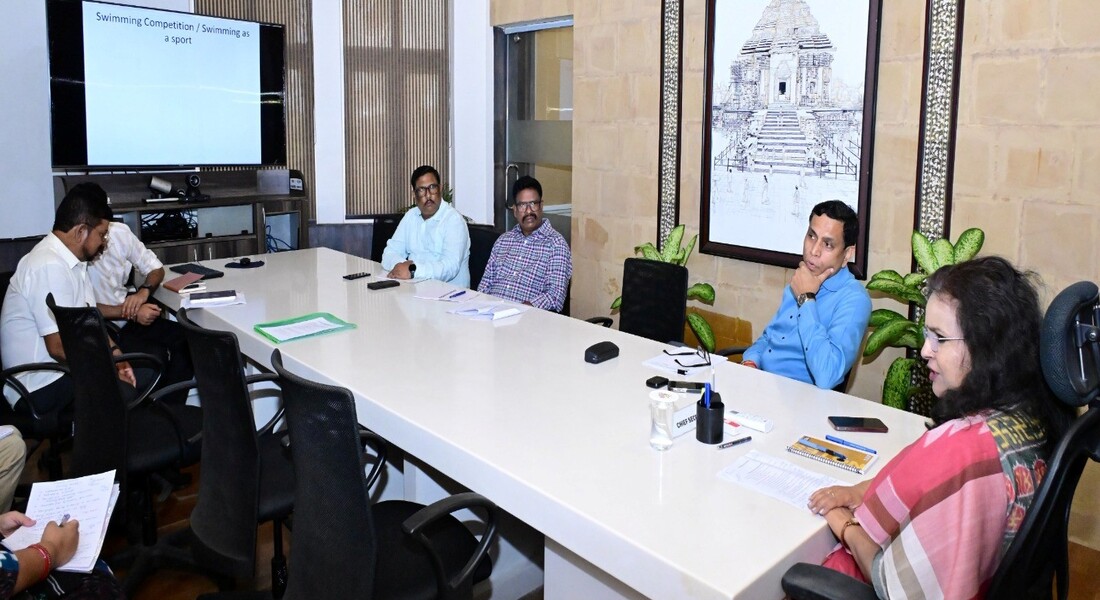
Bhubaneswar: A preliminary review meeting on preventive measures and public awareness initiatives to curb drowning-related deaths was held on Thursday at Lok Seva Bhavan under the chairmanship of Chief Secretary Anu Garg.

The meeting was attended by Director General of Odisha Fire Services Dr. Sudhanshu Sarangi, Additional Relief Commissioner Padmanabha Behera, and other senior officials, who discussed the causes of drowning deaths and possible preventive measures.

Speaking at the meeting, Dr. Sarangi said drowning claims a large number of lives every year. He noted that Chief Minister Mohan Charan Majhi has also expressed concern and grief over the recurring incidents and has advised the Odisha State Watermanship and Lifeguard Institute near Ramachandi to strengthen preventive measures.

He emphasised that valuable lives can be saved through coordinated efforts involving government departments, local administrations, community groups, voluntary organisations, and the general public.

To significantly reduce such incidents in the future, the chief secretary directed officials to formulate a plan for identifying hazardous locations or “drowning-prone black spots” through data analysis based on geographical conditions and the nature of water bodies.

A proposal was also discussed to train at least one to two persons in every Gram Panchayat as local lifeguards. Safety measures such as warning signs, protective railings, and barricades will be ensured at all identified hazardous locations.

For the safety of pilgrims and tourists during sea bathing, floating buoys, ropes, and other warning systems will be installed to demarcate safe zones.

The government will also examine and adopt the best safety practices followed in other states and countries. The meeting further discussed providing protective wire-mesh covers over open wells and deploying lifeguards at vulnerable locations identified by the Tourism Department.

Special emphasis will be placed on strengthening safety arrangements at sensitive and heavily crowded water bodies, with home guards and lifeguards remaining on alert. In addition, swimming will be promoted as a life-saving skill.

Steps will be taken to organise swimming training camps and competitions on a large scale among students and youth in both rural and urban areas. NCC, Civil Defence personnel, and local youth organisations will be provided with extensive training in water rescue operations and first aid.

FIFA World Cup: Canada hammer Qatar; Switzerland thrash Bosnia and Herzegovina

It was raining goals in the FIFA World Cup !

Jonathan David netted a superb hat-trick as co-hosts Canada thrashed a hapless Qatar 6-0 in their Group B match.

This was the World Cup’s second hat-trick after Lionel Messi’s three-goal haul against Algeria.

Cyle Larin opened the scoring in the 16th minute, and David doubled the advantage in the 29th minute. Right before the break, David netted another one to hand his side a comfortable 3-0 lead.

The second half too looked bleak for the Qatari side as Nathan Saliba scored a superb free-kick goal in the 64th minute, and an own goal from Mohamed Manai made it 5-0.

A late David strike made sure Canada secured three crucial points.

In another Group B match, Switzerland registered an impressive 4-1 win over Bosnia and Herzegovina, thanks to a brace from Freiburg star Johan Manzambi.

The first half failed to yield a single goal as both sides wasted numerous opportunities.

Manzambi’s goal in the 74th minute gave the Swiss side a 1-0 lead. Bosnia were reduced to 10 men in the 80th minute after Tarik Muharemovic received a straight red card for bringing down Breel Embolo.

Ruben Vargas made it 2-0 in the 84th minute with a clever finish, and Manzambi completed his brace with a fine right-footed goal in the 90th minute.

Ermin Mahmic pulled one back for Bosnia with an eye-catching volley following a corner.

Veteran captain Granit Xhaka wrapped up the victory for Switzerland from the penalty spot, becoming the second Swiss player to score at three World Cups after Xherdan Shaqiri.

Other Results: Group A: Czechia 1, South Africa 1; Mexico 1, South Korea 0.

Odisha plans 707 new 4G towers under DBN

Bhubaneswar: Odisha will get 707 new 4G mobile towers under the Digital Bharat Nidhi (DBN) initiative to strengthen connectivity in remote and underserved regions of the state, officials said.

The project aims to expand digital connectivity in rural areas and improve access to communication services in locations that currently face network challenges.

Electronics and Information Technology Minister Dr. Mukesh Mahaling thanked Prime Minister Narendra Modi for implementing the Digital India Mission and Chief Minister Mohan Charan Majhi for facilitating the initiative in Odisha.

To expedite the project, Additional Chief Secretary of the Electronics and Information Technology Department, Vishal Kumar Dev, has written to the Collectors of 25 districts, requesting them to make the required land available and issue No Objection Certificates (NOCs) in favour of BSNL. Approximately 2,000 square feet of government land will be required at each location to install the towers.

According to official sources, NOCs have already been issued for 294 locations, enabling work to progress in those areas. District-level officials have been asked to take necessary steps to complete the process for the remaining sites at the earliest.

The 4G Saturation Project, being implemented with support from the Central government, is expected to improve digital inclusion in remote parts of Odisha by strengthening access to education, healthcare, e-governance, and other digital services.

Officials also highlighted progress under Phase III of the BharatNet project, under which the Central Government will invest nearly Rs 4,000 crore in Odisha to enhance high-speed internet connectivity in rural areas. The project is targeted for completion within the next three years.

Under the BharatNet expansion plan, optical fibre connectivity centres will be established at the block level and linked to panchayats through dedicated fibre networks. Connectivity will subsequently be extended from panchayats to individual households, strengthening digital infrastructure across rural Odisha.