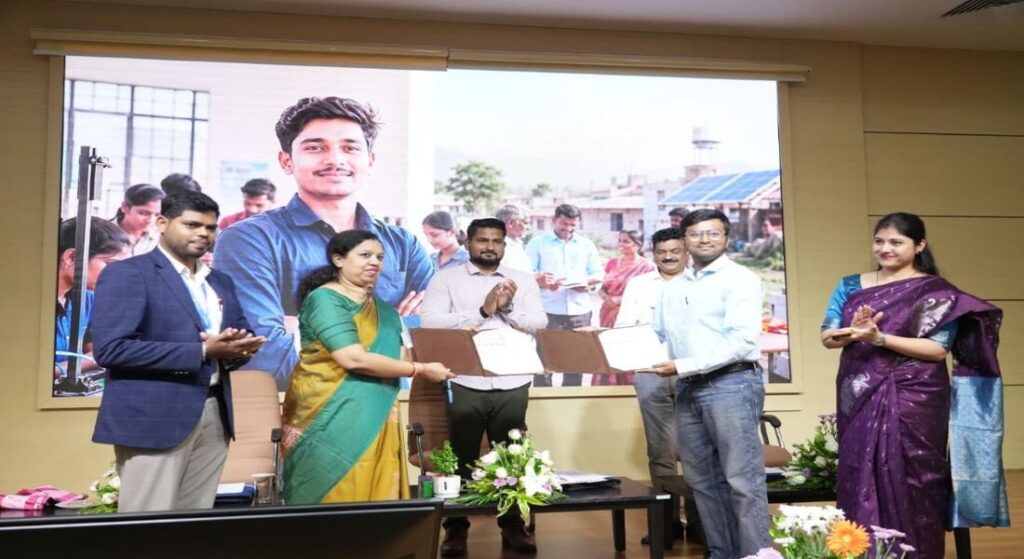
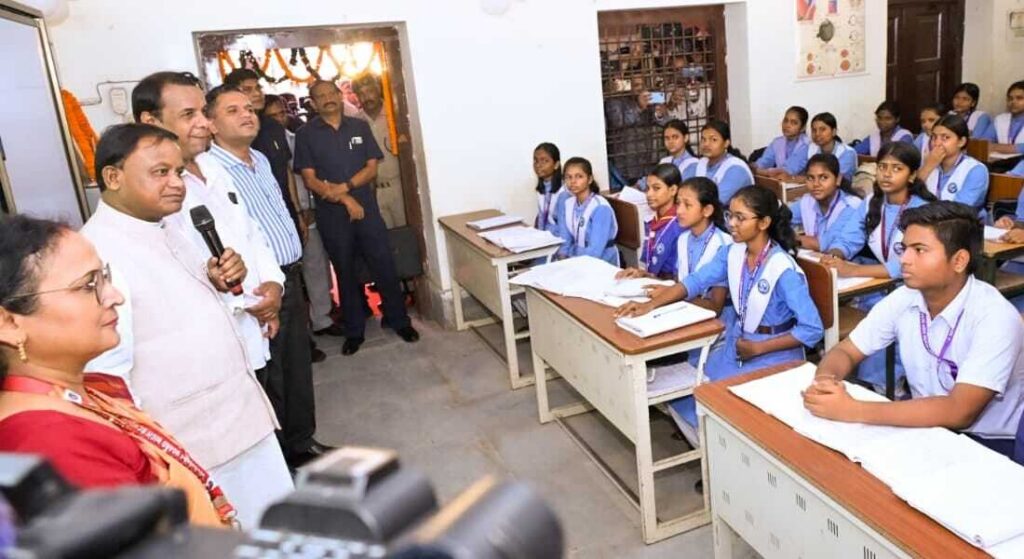
Bhubaneswar: The Regional AI Impact Conference, Odisha concluded on Saturday on a forward-looking note at the Odisha State Convention Centre in Bhubaneswar, following two days of focused deliberations on the role of artificial intelligence in inclusive development. Jointly organised by the IndiaAI Mission under the Ministry of Electronics and Information Technology and the government of Odisha, the conference brought together policymakers, technologists, academics, and industry leaders to explore how AI can be rooted in regional priorities while contributing to national goals.
The Odisha edition marked the third chapter in the ongoing Regional AI Impact Conference series, a nationwide initiative designed to shape the country’s AI roadmap from the ground up, according to according to an official statement. Anchored in the guiding principles of “People, Planet, Progress” that define the India AI Impact Summit 2026, the conference emphasised state-led innovation as a cornerstone of India’s journey towards Viksit Bharat 2047.
The Regional AI Impact Conferences are envisioned as high-level platforms that allow states to spotlight their AI-driven initiatives in governance, public service delivery, and industry. By aligning conference themes with local strengths and development priorities, the series aims to foster collaboration among governments, academia, startups, and the private sector, while generating actionable recommendations that will feed directly into the India AI Impact Summit 2026.
On the concluding day in Bhubaneswar, discussions demonstrated how India is translating its AI vision into practice through domain-specific tracks such as Bhasha.AI, Sushasan.AI, and Swasth.AI – each addressing critical areas of language, governance, and healthcare.
The breakout session on “Bhasha.AI – Building AI for Odia” examined how language technologies can preserve and strengthen regional culture. Moderated by Ashwini Kumar Rath, CEO of Batoi Systems, the session highlighted the importance of developing AI models that reflect the linguistic and cultural depth of Odisha.
Dr. Bijay Ketan Upadhyaya, IAS, Secretary of the Odisha Language Literature Culture Department, stressed the urgency of digitising Odia’s extensive analog heritage, including palm-leaf manuscripts and tribal oral traditions. He noted that transforming these resources into structured digital datasets is essential for creating AI systems that are culturally grounded, inclusive, and globally relevant.
The “Sushasan.AI – AI for Governance” session explored how artificial intelligence can enable more anticipatory and responsive public administration. Moderated by Vijeeth Srinivas, Program Lead for AI Powered Odisha, the discussion focused on shifting governance models from reactive problem-solving to predictive decision-making.
AI in energy systems and learning: In a dedicated presentation on AI in smart grids, Prof. Subhransu R. Samantaray of IIT Bhubaneswar outlined the transition from centralised power systems to decentralised, renewable-heavy grids. With India targeting over 230 GW of renewable capacity, he highlighted AI’s role in real-time monitoring, demand management, and maintaining stability in low-inertia power systems.
The “Swasth.AI – AI for Healthcare” session focused on applying AI to public health challenges. Dr. Tapan Gandhi of IIT Delhi presented innovations in adaptive digital health, including AI-enabled VR tools for early blindness detection in rural areas, eye–brain retraining technologies, and AI applications for autism and learning disability screening.
The conference concluded with a closing ceremony addressed by Mr. Vishal Kumar Dev, Principal Secretary, Department of Electronics & IT, government of Odisha. He highlighted the conference’s success in moving beyond discussion to concrete outcomes, noting the diversity of global participation and alignment with the IndiaAI Mission’s goals of democratising AI resources, strengthening self-reliance, and positioning India as a global AI leader ahead of the India AI Impact Summit 2026, scheduled for February 15-20, 2026.