
Conditional access through Strait of Hormuz offered as shipping drops and peace talks gain traction amid continued hostilities
New Delhi: Iran has announced conditional safe passage for “non-hostile” vessels through the Strait of Hormuz, even as maritime traffic remains severely disrupted and diplomatic efforts to end the ongoing conflict show tentative signs of progress.
In a statement, Iran’s mission to the United Nations said ships could transit the key waterway “provided that they neither participate in nor support acts of aggression against Iran and fully comply with the declared safety and security regulations.” The statement, according to Al Jazeera, added that passage would be allowed “in coordination with the competent Iranian authorities.”
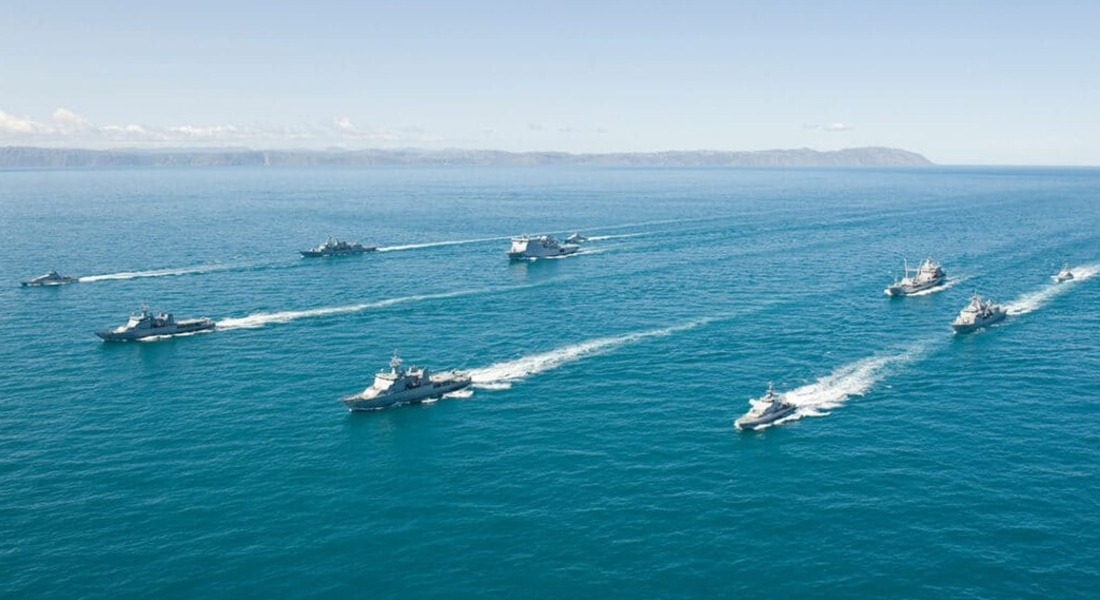
Despite the announcement, shipping activity through the strait remains sharply reduced. According to maritime intelligence firm Windward, only five vessels were tracked passing through the waterway on Monday, compared to an average of around 120 daily transits before the United States and Israel launched their war on Iran on February 28.
The Strait of Hormuz, which typically handles nearly one-fifth of global oil and liquefied natural gas supplies, has been at the centre of a global energy crisis triggered by the conflict.
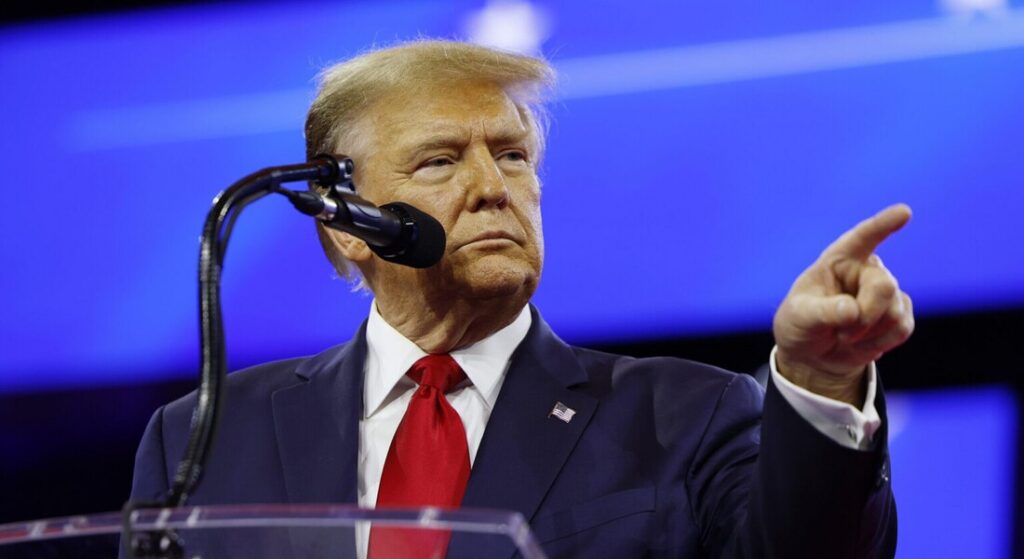
Amid the disruption, US President Donald Trump said he has sent a peace plan to Iran and expressed optimism about ending the nearly month-long war. The diplomatic outreach comes alongside ongoing hostilities, with Iran firing missiles at Israel on Tuesday, causing injuries and damage in Tel Aviv. City mayor Ron Huldai described the incident as a “direct strike” on a building in an upscale neighbourhood.
At the same time, Israel continued its military operations, including fresh strikes on Beirut’s southern suburbs and operations against Iran-backed Hezbollah fighters in southern Lebanon, according to Israeli military statements.
Israel’s Defence Minister Israel Katz said the country would retain control of a proposed “security zone” in southern Lebanon extending up to the Litani River until the threat from Hezbollah is eliminated, even as Israeli air strikes continued to target positions of the Iran-backed group, which in turn maintained its rocket attacks on northern Israel.
“The IDF will continue to operate in Lebanon with full force against Hezbollah. Hundreds of thousands of residents of southern Lebanon who evacuated northward will not [be allowed to] return south of the Litani River until security for the residents of the north [of Israel] is ensured,” Katz was quoted by the Times of Israel as sayaing during an assessment with IDF top officers.
US President Donald Trump also held a phone conversation with India’s Prime Minister Narendra Modi, their first since the conflict began, to discuss the evolving situation. The war has already claimed the lives of at least six Indian nationals and disrupted global energy flows, particularly through the Strait of Hormuz.
In a post on X, Shri Modi said he had a useful exchange of views with Trump on the situation in West Asia and reiterated India’s postion that New Delhi “supports de-escalation and restoration of peace” at soon as possible. “Ensuring that the Strait of Hormuz remains open, secure and accessible is essential for the whole world. We agreed to stay in touch regarding efforts towards peace and stability,” he added.
Received a call from President Trump and had a useful exchange of views on the situation in West Asia. India supports de-escalation and restoration of peace at the earliest. Ensuring that the Strait of Hormuz remains open, secure and accessible is essential for the whole world.…
— Narendra Modi (@narendramodi) March 24, 2026
ALSO READ: PM Modi presents government’s stance on West Asia conflict in Rajya Sabha
In a parallel diplomatic development, Pakistan Prime Minister Shehbaz Sharif said Islamabad is willing to host talks aimed at ending the conflict, amid growing international pressure for de-escalation.
However, signs of escalation persist. According to media reports, the Pentagon is preparing to deploy thousands of troops from the elite 82nd Airborne Division to the Middle East, adding to an already significant military buildup even as negotiations are being explored.
The unfolding situation reflects a fragile balance between diplomacy and continued military action, with global markets and energy security remaining highly sensitive to developments in the region.