At IndiaVerve, we go beyond the noise to bring you meaningful stories of change, resilience and progress—from India to the world stage. Our mission is to bring readers credible, wide-ranging coverage across politics, business, sports, culture, society and more.

Governor Dr. Hari Babu Kambhampati, First Lady lead plantation drive on World Environment Day

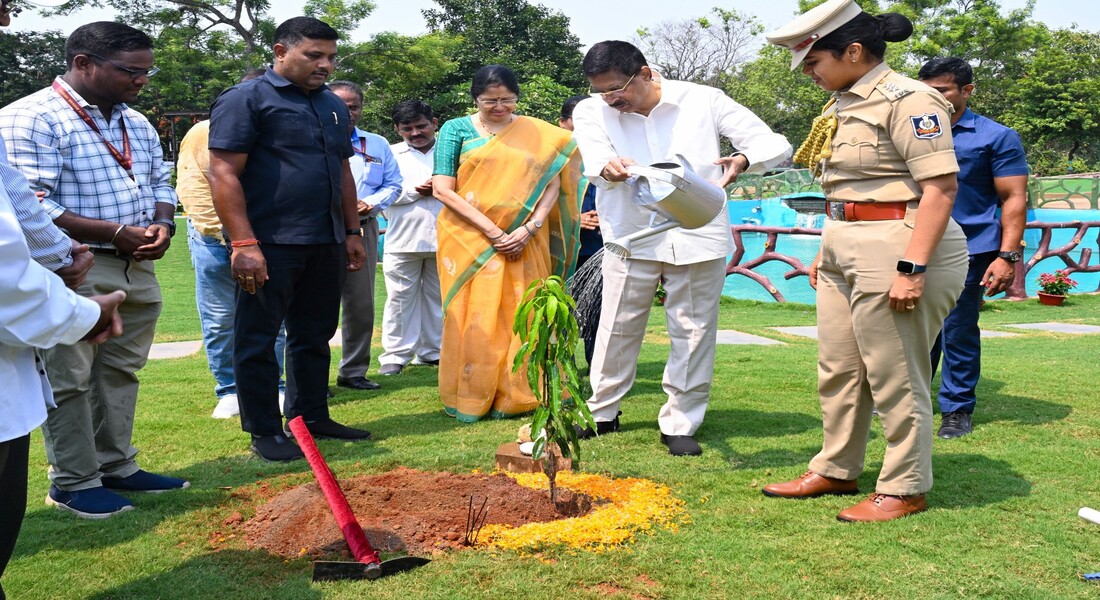
BHUBANESWAR: Odisha Governor Dr. Hari Babu Kambhampati and First Lady Dr. Jayashree Kambhampati on Friday participated in a plantation drive at Atal Van in the Lok Bhavan premises to mark World Environment Day, reaffirming their commitment to environmental conservation and sustainable development.

The plantation programme witnessed the participation of senior officials and staff of Lok Bhavan, who joined the initiative and renewed their commitment towards protecting and preserving nature.

Addressing the gathering, the governor emphasized that environmental conservation is not merely a duty but a commitment to future generations. He said every tree planted today strengthens collective efforts to build a greener, healthier, and more sustainable tomorrow.

Dr. Kambhampati underscored the need to make environmental responsibility an integral part of daily life. He stressed that environmental protection is a collective responsibility and urged every individual to contribute by planting trees and adopting eco-friendly practices.

In a message issued on the occasion of World Environment Day, the governor said the observance provides an opportunity to reflect on the Earth and nature and to reaffirm society’s commitment to safeguarding the environment. He noted that protecting nature is the responsibility of every citizen and that tree planting represents a small yet meaningful step towards environmental preservation.

Referring to Prime Minister Narendra Modi’s “Ek Ped Maa Ke Naam” campaign, Dr. Kambhampati appealed to every citizen to plant at least one tree. He also urged people to embrace the slogan “Each One, Plant One” as a guiding principle in their efforts to protect the environment.

Highlighting the critical role of trees in maintaining ecological balance, the governor said trees purify the air, conserve biodiversity, and play a significant role in mitigating the effects of climate change.

He observed that even small efforts by individuals and communities can have a substantial impact on environmental conservation and sustainability.

Calling upon citizens to actively participate in conservation efforts, Dr. Kambhampati said greater awareness and collective action are essential to safeguard the planet and ensure a future where development and environmental stewardship progress hand in hand.

The governor also made a special appeal to the younger generation to take a leading role in environmental protection initiatives. He urged youth to actively contribute towards building a clean, green, and sustainable future through responsible actions and greater environmental awareness.

The plantation drive formed part of the World Environment Day observance and aimed to promote environmental awareness, encourage public participation in tree plantation activities, and strengthen efforts towards the conservation of natural resources.

Iran raises doubts on truce as Lebanon violence escalates

Uncertainty over a possible end to the West Asia conflict deepened on Friday as Iran raised concerns over a proposed agreement with the United States while fighting between Israel and Hezbollah continued in Lebanon despite a US-brokered ceasefire announcement.

The latest escalation comes on the 98th day of the conflict, with Lebanon continuing to witness airstrikes and casualties even after Lebanese and Israeli officials reportedly reached a ceasefire understanding in Washington.

According to Lebanon’s Ministry of Public Health, at least 3,526 people have been killed and over 10,700 injured in Israeli attacks since March 2.

Israeli strikes reportedly continued across parts of southern Lebanon and the western Bekaa Valley, fuelling fears that the truce may fail to hold. The situation became more uncertain after Hezbollah leader Naim Qassem dismissed the proposed ceasefire arrangement as a “farce”, warning that northern Israel would continue to remain a target as long as Israeli military operations persist in Lebanon, Al Jazeera reported.

Political observers say Hezbollah’s position could complicate efforts to secure a durable ceasefire, despite diplomatic efforts led by Washington.

In Iran, fresh questions also emerged over the framework of a proposed agreement aimed at ending hostilities. Mohsen Rezaei, an adviser to Iran’s Supreme Leader Mojtaba Khamenei, said the draft memorandum being negotiated contains unresolved ambiguities.

Speaking to Iranian state television, Rezaei accused US President Donald Trump of pressuring Tehran to accept Washington’s conditions while leaving Iran’s concerns insufficiently addressed.

Trump, meanwhile, signalled a hardening stance, saying the United States did not necessarily require an agreement to gain access to Iran’s enriched uranium stockpile, arguing that the material was effectively “entombed”. While he ruled out an immediate meeting with Iran’s Supreme Leader, Trump indicated such engagement could happen if negotiations progressed.

The continuing crisis has also triggered domestic unrest in Israel. Hundreds of ultra-Orthodox demonstrators reportedly blocked Highway 1 in protest against compulsory military service for religious students after police detained two students and handed one over to military authorities.

Beyond the battlefield, global agencies have warned that the prolonged conflict could trigger severe humanitarian consequences in vulnerable nations.

The United Nations World Food Programme (WFP) warned that millions of people could be pushed into acute hunger due to the economic fallout of the conflict, particularly rising oil prices and disrupted supply chains.

The agency had projected earlier this year that nearly 45 million people could slip into acute food insecurity if the crisis continued and crude oil prices remained elevated. Countries including Somalia, Afghanistan and Sri Lanka are already witnessing worsening food insecurity, with millions struggling to meet basic food requirements.

With diplomatic efforts under strain, continued military exchanges in Lebanon and unresolved negotiations involving Iran, the prospects for regional stability remain uncertain.

Annamalai launches new political movement after BJP accepts his resignation

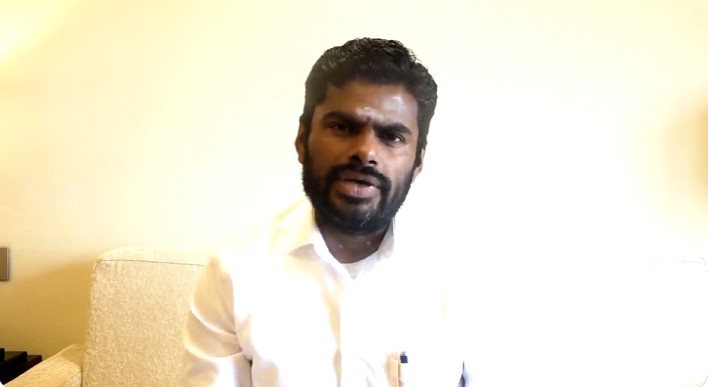
Chennai: Former Tamil Nadu BJP president K. Annamalai on Friday announced a new political movement after formally severing ties with the Bharatiya Janata Party (BJP), citing prolonged ideological and strategic differences with the party leadership.

The development came hours after BJP national president Nitin Nabin accepted Annamalai’s resignation from the party’s primary membership, days after the former IPS officer met senior BJP leaders, including Union Home Minister Amit Shah and national general secretary B.L. Santhosh, and submitted his resignation letter on June 2.

Announcing his new initiative during an online interaction, Annamalai said the movement, named We The Leaders, would eventually evolve into a political party and contest elections in Tamil Nadu, beginning with local body polls.

“From today, we are taking a new path through a new political movement that perceives things in a new dimension,” he said, adding that the platform aimed to reshape the state’s political culture and encourage greater public participation.

According to Annamalai, the movement has already begun enrolling members, with over one lakh people reportedly joining the initiative. He also announced plans to establish the Abdul Kalam Centre for Ethics in Politics in Coimbatore.

Explaining his exit from the BJP, Annamalai said disagreements with the party leadership had persisted for nearly 18 months. In his resignation letter to BJP chief Nitin Nabin, he wrote that his views on “growth-oriented and culturally rooted politics” in Tamil Nadu no longer aligned with the party leadership.

“I do not want to burden the top leadership any further with my ongoing thoughts on the way forward for Tamil Nadu,” he stated in the letter.

Speaking publicly on Friday, Annamalai claimed he had informed the BJP of his decision to leave as early as December last year but stayed on at the party’s request until election-related responsibilities were completed.

Despite his departure, the former BJP leader said he continued to respect Prime Minister Narendra Modi and clarified that his new organisation would view the BJP like any other political party.

Annamalai said the movement would seek to move beyond personality-driven politics and create opportunities for professionals and talented individuals to enter public life.

“My aspiration is to change the political language and grammar of Tamil Nadu and build a politics centred on the common man,” he said.

A former Indian Police Service officer, Annamalai joined politics in 2020 after serving in Karnataka Police. Hailing from Tamil Nadu’s Karur district, he rose rapidly in the BJP and was appointed president of the party’s Tamil Nadu unit in 2021.

During his tenure, the BJP projected him as a key face to expand its presence in a state traditionally dominated by the Dravida Munnetra Kazhagam (DMK) and the All India Anna Dravida Munnetra Kazhagam (AIADMK). However, his leadership period was marked by tensions with alliance partner AIADMK, which eventually exited the BJP-led National Democratic Alliance (NDA) before the 2024 Lok Sabha elections.

Though the BJP contested separately, the NDA secured around 18 per cent of the vote share in Tamil Nadu during the 2024 parliamentary elections, with the BJP accounting for nearly 11 per cent.

In April 2025, Annamalai stepped down as Tamil Nadu BJP chief and was replaced by Nainar Nagendran after the AIADMK rejoined the NDA.

State-level mango festival showcases Odisha’s fruit heritage, pushes farmer income boost

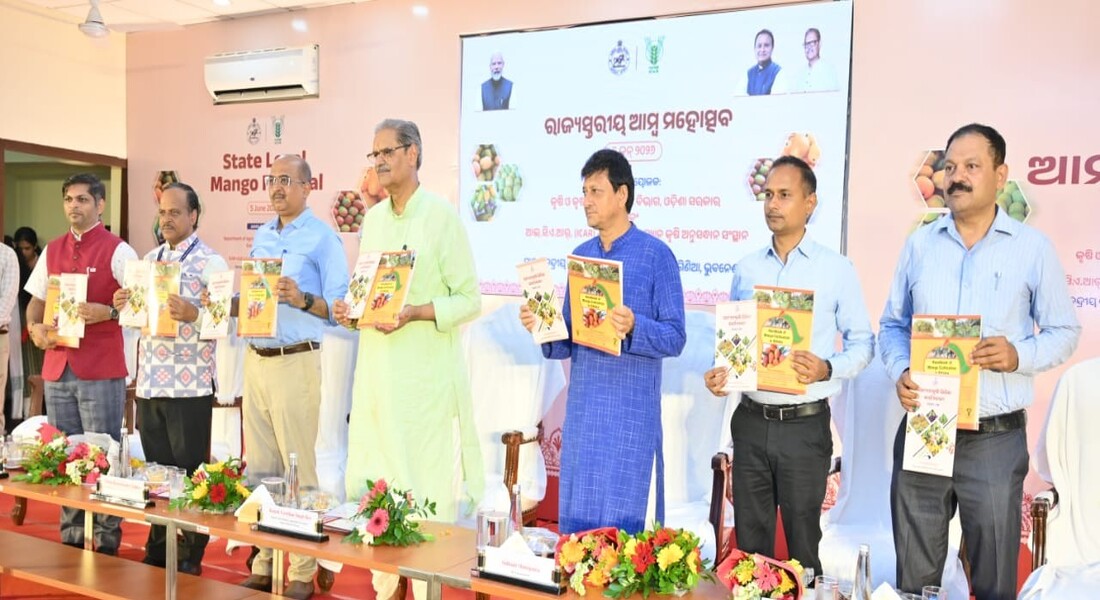
New Delhi: The state-level mango festival was held on Friday at the Central Horticultural Experiment Station (CHES) in Bhubaneswar. Jointly organised by ICAR–IIHR, Bengaluru, and Odisha’s Directorate of Horticulture, the event highlighted the state’s mango heritage, biodiversity conservation, and sustainable farming practices.

The festival brought together hundreds of growers, experts, and enthusiasts to promote climate-resilient horticulture and raise awareness on protecting agricultural land under the “Khet Bachao Abhiyan.”

Chief guest Deputy Chief Minister Kanak Vardhan Singh Deo, who inaugurated the festival, said Odisha must build a distinct brand for its mangoes to significantly increase farmers’ income and boost agricultural exports.

He stressed the need for crop diversification and urged farmers to move beyond traditional practices by adopting pulses, oilseeds, and fruit crops such as dragon fruit, citing their medicinal value.

He also highlighted government initiatives aimed at exposing farmers to successful agricultural models across India and appreciated the organisers for conducting the informative event.

MLA Sidhant Mohapatra also addressed the gathering, emphasising the importance of balancing high agricultural output with environmental sustainability. Sachin Jadhav, Commissioner-cum-Secretary of the Department of Agriculture, Cooperation and Farmers Welfare, noted that Odisha has over 2.5 lakh hectares under mango cultivation.

ICAR–IIHR Director Prof. Tushar Kanti Behera introduced high-yielding fruit varieties developed to support local farmers.

The festival featured a large exhibition of over 60 mango varieties, including popular local landraces and exotic types such as Miyazaki and high-yielding Arka hybrids.

Scientists interacted directly with farmers on orchard management and pest control. Farmer-Producer Organizations also set up stalls to sell quality mangoes directly to consumers, strengthening market linkages.

Director of Agriculture Shubham Saxena, Director of Soil Conservation Subrat Panda, and Director of Horticulture Kalunge Gorakh Waman were present.

AirTrunk to invest Rs 3 lakh crore in India, targets 5 GW data centre capacity by 2030

New Delhi: Data centre operator AirTrunk has announced plans to invest more than Rs 3 lakh crore (USD 30 billion) in India by 2030, marking one of the largest proposed investments in the country’s digital infrastructure sector.

The company said in a statement that the investment would support the expansion of cloud computing and artificial intelligence infrastructure while strengthening India’s position as a global technology and data centre hub.

Backed by Blackstone and Canada Pension Plan Investment Board, AirTrunk said its proposed investment programme would rank among the largest digital infrastructure initiatives currently under consideration in India.

The company plans to develop 5 GW of data centre capacity across multiple states and union territories. It said the initiative would support India’s ambition to emerge as a major destination for AI and cloud infrastructure investment while generating employment, boosting economic activity, and supporting the growth of the technology ecosystem.

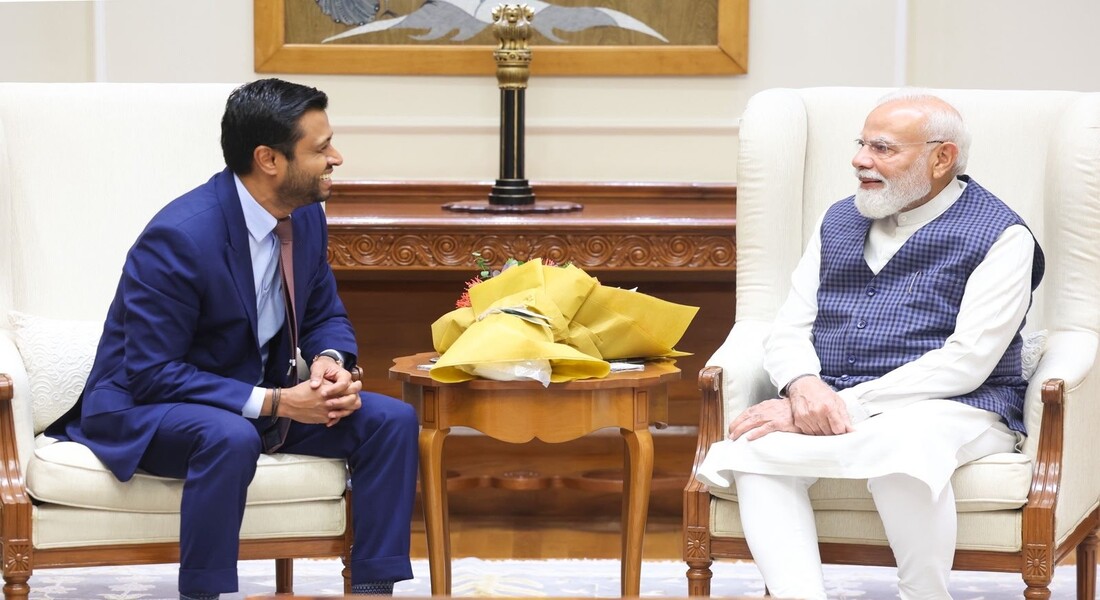
Prime Minister Narendra Modi welcomed the announcement following his meeting with AirTrunk founder and Chief Executive Officer Robin Khuda. He said India’s digital infrastructure journey was gaining strong momentum and noted that the proposed investment was among the largest commitments in the country’s digital infrastructure ecosystem.

Modi said the investment would strengthen India’s position as a global hub for cloud computing and artificial intelligence. He also noted that the project was expected to create jobs, support local supply chains, and accelerate innovation-driven growth. Modi added that India was increasingly shaping the future of the global digital economy.

The announcement comes shortly after AirTrunk entered the Indian market through the acquisition of Lumina CloudInfra in April this year. Through the acquisition, the company secured a development pipeline of 600 MW across Mumbai, Chennai, and Hyderabad.

During his first senior government engagement programme in India since the acquisition, Khuda met federal representatives as well as ministers in Maharashtra and Andhra Pradesh. Discussions focused on accelerating investment in cloud and AI infrastructure and creating conditions to support long-term digital growth.

According to the company, the talks covered access to reliable and affordable power, renewable energy, sustainable water supply, talent development, streamlined approval processes, and greater coordination between state and federal governments for strategic infrastructure projects.

Khuda said India was creating favourable conditions for global capital and highlighted the country’s government-led AI initiatives, skilled workforce, and renewable energy potential. He indicated that AirTrunk had been confident about India’s prospects before entering the market and was now looking to deepen its commitment following discussions with government leaders.

He also said the company received a clear message that India remained open to investment and was determined to compete for the next generation of AI and cloud infrastructure.

AirTrunk highlighted government initiatives such as Digital India, the IndiaAI Mission, and the India Semiconductor Mission as factors strengthening India’s attractiveness as a destination for technology investment.

RBI holds repo rate at 5.25%, projects 6.6% GDP growth and 5.1% inflation for FY27

Mumbai: The Reserve Bank of India (RBI) on Friday kept its key policy repo rate unchanged at 5.25%, signalling caution amid rising global uncertainties, persistent supply disruptions, and mounting inflationary pressures linked to the prolonged West Asia conflict.

The decision was taken unanimously by the Monetary Policy Committee (MPC) at its 61st meeting held from June 3 to June 5 under the chairmanship of RBI Governor Sanjay Malhotra.

The MPC also retained its neutral policy stance. As a result, the Standing Deposit Facility rate remains at 5%, while the Marginal Standing Facility rate and the Bank Rate continue at 5.50%, the RBI said in a statement.

The central bank said risks to both inflation and economic growth have increased as the conflict in West Asia shows no signs of resolution. Volatile energy markets, declining crude oil reserves, and firmer global commodity prices have added to the uncertainty.

According to the RBI, major advanced economy central banks are likely to turn more cautious and could move towards monetary tightening. Global financial markets have remained mixed, with equities supported by optimism around artificial intelligence, while sovereign bond yields have risen due to concerns over inflation and fiscal sustainability.

Despite the challenging global environment, the Indian economy has remained resilient. High-frequency indicators suggest domestic economic activity has largely stayed steady since the outbreak of the conflict.

Private consumption has remained resilient, while fixed investment has maintained momentum despite higher costs. Merchandise exports recorded strong growth in April 2026, although rising freight and insurance costs continue to weigh on trade. Services exports also remained robust.

The RBI, however, cautioned that strains are becoming increasingly visible. Elevated energy and commodity prices, supply disruptions, and higher import costs are expected to affect economic activity in the coming months.

The central bank also flagged concerns over a likely deficient south-west monsoon, which could impact agriculture and rural demand. It noted that government initiatives such as crop diversification, water conservation measures, climate-resilient farming practices, and short-duration crops could help reduce the impact.

Urban consumption is expected to receive support from continued strength in the services sector, the impact of GST rationalisation, and broadly stable employment conditions. Strong capacity utilisation, steady credit flows, and government capital expenditure are also expected to support investment activity.

Taking these factors into account, the RBI projected India’s real GDP growth at 6.6% for 2026-27. Quarterly growth is estimated at 6.6% in the first quarter, 6.3% in the second quarter, 6.5% in the third quarter, and 6.8% in the fourth quarter.

On inflation, the RBI noted that headline consumer price inflation rose to 3.4% in March and 3.5% in April, mainly due to higher food prices. Core inflation remained unchanged at 3.7% between January and April.

The central bank warned that inflationary pressures could intensify after retail fuel prices were raised from May. Petrol prices have increased by 7.4%, while diesel prices have risen by 8.4%.

According to the RBI, the fuel price increase alone could have a direct impact of about 36 basis points on headline inflation. Higher global energy prices are also raising costs for commercial LPG, industrial raw materials, chemicals, rubber, and plastic products.

Reflecting these concerns, the RBI projected CPI inflation at 5.1% for 2026-27. Quarterly inflation is expected at 4.2% in Q1, 5.1%v in Q2, 5.9% in Q3, and 5.4% in Q4.

The central bank said the inflation outlook remains subject to upside risks from global supply chain disruptions and uncertainty surrounding the monsoon. However, adequate foodgrain stocks and satisfactory reservoir levels provide some comfort.

The RBI also highlighted several government measures aimed at improving economic resilience, including support for MSMEs and exporters, efforts to increase domestic gas and crude production, promotion of locally produced alternatives, and diversification of critical imports.

While maintaining rates, the central bank indicated that future policy decisions would remain closely tied to evolving inflation trends, global developments, and the impact of supply-side disruptions on the domestic economy.

Building Climate Resilience Through Community Action in Rural India

Across villages in Haryana, Rajasthan, and Punjab, community-led interventions in sustainable farming, water conservation, and waste management are helping vulnerable communities adapt to environmental challenges while building healthier and more resilient futures.

In many villages across northern India, environmental degradation is no longer a distant or abstract concern — it is an everyday reality. Shrinking water bodies, depleting groundwater, erratic weather patterns, declining soil productivity, and unmanaged waste are increasingly threatening livelihoods, public health, and ecological balance.

Yet, amid these growing environmental challenges, a quiet transformation is unfolding across rural communities in Haryana, Rajasthan, and Punjab. Supported by grassroots organisation Akhil Bhartiya Gramin Uthan Samiti (ABGUS) and SBI Foundation, several communities are not only adapting to environmental stress but actively building resilience through locally owned and sustainable solutions.

As the world marks World Environment Day under the theme “Inspired by Nature. For Climate. For Our Future,” these grassroots interventions offer an important reminder: some of the most effective climate solutions already exist in nature and within communities themselves. From restoring water bodies and improving farming systems to reducing waste and strengthening environmental awareness, rural communities are proving that climate resilience begins at the grassroots.

Swapan Dhar, Managing Director & CEO of SBI Foundation, says the Foundation remains committed to strengthening rural resilience through sustainable and community-led development.

“Environmental conservation and sustainable water management have been key priorities under our Gram Saksham project. Interventions such as pond rejuvenation, solar electrification, and natural resource management in Nuh district, implemented with ABGUS, reflect this commitment. Beyond conservation, these efforts are strengthening community resilience and improving rural well-being. We are encouraged by the outcomes and hopeful that communities will continue to take ownership of these interventions,” Dhar adds.

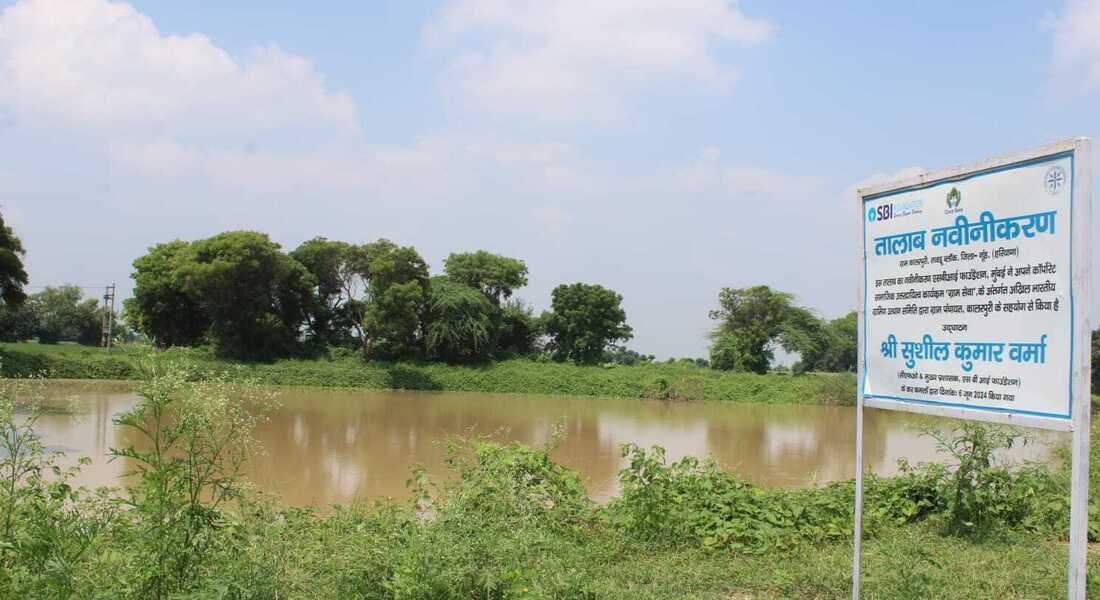
Under SBI Gram Saksham, ABGUS is currently supporting the rejuvenation of 20 village ponds along with catchment development, solar street lighting, quality seed distribution, and community training on water sustainability and natural resource management.

For nearly four decades, ABGUS has worked with vulnerable and marginalised communities across northern India. Over the years, environmental sustainability has increasingly emerged as a cross-cutting pillar across its programmes — spanning rural livelihoods, agriculture, water conservation, sanitation, and public health.

“Environmental protection cannot happen only through policies or large campaigns,” says Rajesh Verma, Founder and Secretary of ABGUS. “Real change begins when communities understand that their future is directly connected with how they manage water, land, forests, and waste. Our role is to strengthen that understanding and support people in adopting practical solutions.”

Restoring Water Security Through Community Action

Water conservation forms one of the strongest pillars of ABGUS’s environmental interventions.

Across operational geographies, the organisation has worked extensively on watershed management, pond rejuvenation, groundwater recharge, catchment restoration, and water-efficient agricultural practices, particularly in environmentally stressed regions vulnerable to declining groundwater and salinity.

According to independent assessments, ABGUS’s interventions have contributed to a 245% increase in pond storage capacity, significantly improving local water availability and strengthening water security for vulnerable communities.

Over the years, the organisation has rejuvenated 205 water bodies and associated catchment areas, benefiting nearly five lakh people across intervention regions. Efforts to improve safe drinking water access have also reached over 212,575 residents through 26 community RO systems and mobile water units.

The environmental approach is both ecological and livelihood-oriented. By restoring ponds and catchments, the organisation aims to capture and retain monsoon runoff that would otherwise be lost, while improving irrigation potential for farming communities. Interventions have focused on:

  • Rejuvenating village ponds and water bodies to increase holding capacity
  • Developing catchment areas to improve rainwater harvesting and groundwater recharge
  • Land levelling to enhance water retention and agricultural productivity
  • Tree plantation around water bodies and common lands to strengthen ecological restoration
  • Community awareness campaigns promoting responsible water use and conservation

In districts such as Nuh, Tapukara, and Rewari, the organisation has also worked to revive ecological systems around degraded landscapes.

Environmental conservation efforts have included reforestation and afforestation initiatives, particularly in the Aravali region of Haryana and Rajasthan, where dense green cover has been promoted to combat ecological degradation and biodiversity loss.

Community engagement has remained central to these efforts. Through village meetings, awareness sessions, and partnerships with experts, communities are being sensitised to the importance of ecosystem protection, wildlife conservation, and sustainable natural resource management.

Mass awareness campaigns conducted along the Sahibi River and its tributaries have brought together communities through village dialogues, Nukkad Nataks (street theatre), wall campaigns, and padyatras, encouraging residents to become active participants in river conservation.

“Water conservation is no longer optional,” Verma says. “Communities are already experiencing changing rainfall patterns and increasing pressure on groundwater. Reviving traditional systems and strengthening collective ownership of water resources are essential for long-term sustainability.”

One of the key environmental challenges in intervention areas has been water scarcity and rising groundwater salinity, largely due to overdependence on deep borewells. By rejuvenating village ponds and promoting a surface-water-centric irrigation approach, ABGUS is trying to help communities reduce dependence on overexploited groundwater while naturally supporting aquifer recharge and salinity dilution.

Community ownership has emerged as the defining strength of these interventions.

Village meetings have become spaces for discussing water usage, monitoring progress, and collectively addressing environmental challenges. Panchayati Raj Institutions (PRIs), Village Development Committees (VDCs), frontline workers, and youth groups have also played an important role in spreading awareness and strengthening responsible water management practices.

So far, more than 1,100 frontline workers, PRI members, and youth leaders have been mobilised through specialised outreach programmes, helping build local leadership around environmental stewardship.

For residents, the impact extends beyond improved water availability.

“The pond restoration project brought our community together. With the Gram Panchayat leading the way, we collectively took ownership and responsibility for the work,” says Ramesh, a resident of Akera village in Nuh district. “Today, it is not just a water source — it gives us confidence and a sense of pride that we built something sustainable together.”

Building Cleaner Villages Through Waste Management

For ABGUS, environmental sustainability is inseparable from public health and dignified living conditions.

Across several project villages, the organisation has implemented community-based waste management initiatives, aligned with the goals of the Swachh Bharat Mission, to create cleaner and healthier surroundings.

The interventions focus on waste segregation, proper disposal systems, community cleanliness drives, hygiene awareness, and household-level training on safe waste management practices.

Dustbins have been installed at schools, ICDS centres, and community spaces to encourage responsible waste disposal, while sustained behaviour change campaigns through village meetings and mobilisation drives continue to strengthen awareness.

For many residents, the difference is tangible.

“Earlier, our village had no proper system for waste disposal. Garbage piled up on roads, drains remained clogged, and the fear of diseases like dengue and malaria was constant,” recalls Ramchandra, a resident of Para village and member of the Gram Seva Committee.

Today, improved waste management practices are helping communities maintain cleaner surroundings, reduce health risks, and strengthen environmental responsibility at the household level.

The emphasis on community ownership has ensured that waste management is not seen as an externally imposed intervention, but as a shared responsibility for collective wellbeing.

Reimagining Farming Through Climate-Smart Agriculture

Among ABGUS’s most promising environmental interventions linked with sustainable farming and livelihood is its work around multi-cropping and climate-smart agriculture, particularly under the Gram Seva programme supported by SBI Foundation.

Traditional farming systems in several parts of Haryana rely heavily on water-intensive mono-cropping, leaving farmers vulnerable to climate variability, increasing input costs, and declining returns.

To address this, ABGUS introduced a diversified multi-cropping model, allowing farmers to cultivate multiple crops simultaneously on the same piece of land. Often described as vertical or layered farming, the approach enables farmers to maximise land productivity, conserve water, reduce cultivation risks, lower carbon-intensive inputs, and diversify incomes.

By improving soil health and reducing water dependency, the model offers a practical example of how farming systems can become both economically and environmentally sustainable.

“Communities are not victims of environmental change — they can become leaders of environmental solutions,” Verma says. “Our experience over the years shows that when people are trusted, trained, and supported, sustainable change becomes possible.”

Beyond Conservation: Building Climate-Resilient Communities

What makes ABGUS’s environmental model distinctive is its integrated approach.

Rather than treating conservation as a standalone intervention, the organisation links environmental restoration with livelihoods, agriculture, public health, local governance, and community leadership. This ensures that climate action translates into better incomes, healthier communities, stronger institutions, and long-term sustainability.

As climate vulnerabilities intensify, grassroots organisations are increasingly playing a critical role in demonstrating practical and locally relevant solutions.

On this World Environment Day, the story unfolding across these villages offers an important lesson aligned with this year’s theme: “Inspired by Nature. For Climate. For Our Future.” Whether through restoring ponds, protecting ecosystems, improving farming systems, or mobilising communities, the path to climate resilience may well begin by rebuilding our relationship with nature — together.

***
Sumit Kumar Sinha is a social worker and development professional with 15 years of experience in community development. Passionate about storytelling, he uses writing to inspire awareness and positive social change. The views expressed are personal and do not necessarily reflect those of IndiaVerve.

Putin says India-US cooperation will not affect Russia ties

New Delhi: Russian President Vladimir Putin on Thursday said India’s growing cooperation with the US does not create difficulties in Russia’s relations with New Delhi, reaffirming Moscow’s commitment to deepening its strategic partnership with India.

Speaking during a meeting with heads of international news agencies at the St. Petersburg International Economic Forum (SPIEF) 2026, Putin dismissed suggestions that India’s engagement with Washington could affect its ties with Russia.

He said Russia welcomed India’s efforts to develop relations with all countries, according to Sputnik News.

The Russian president also referred to attempts by the US to exert pressure on India over certain issues, including aspects of its cooperation with Russia. He indicated that such pressure was ineffective, arguing that Prime Minister Narendra Modi, who leads a nation of around 1.5 billion people, could not be influenced through external pressure.

He further suggested that such actions could negatively affect both international and bilateral relations.

Despite geopolitical differences among major powers, Putin expressed confidence that Russia would be able to maintain productive relations with both India and the US.

Reiterating Moscow’s view of New Delhi as a dependable partner, Putin described India-Russia relations as a particularly privileged strategic partnership and said Russia intended to continue strengthening bilateral cooperation.

The Russian leader highlighted ongoing collaboration in the nuclear energy sector, noting that the two countries continue to work on the Kudankulam Nuclear Power Plant project. He also said Moscow expected additional joint initiatives in the peaceful use of nuclear energy in the future.

Putin expressed optimism about the growth of bilateral trade, stating that trade turnover between the two countries currently stood at around USD 58-60 billion. He said both sides possessed the necessary conditions to expand economic cooperation further and achieve the target of USD 100 billion in bilateral trade in the coming years.

His remarks come as India and Russia continue to maintain close cooperation across sectors, including energy, defence, trade, and strategic technologies, while New Delhi simultaneously expands its engagement with Western nations, including the US.

The SPIEF is being held from June 3 to June 6, bringing together policymakers, business leaders and international stakeholders to discuss global economic and strategic issues.

State Coastal Security Conference highlights technology, port security and coastal surveillance measures

BHUBANESWAR: Maritime security, coastal surveillance, and protection of critical coastal infrastructure emerged as key focus areas during various sessions of the State Coastal Security Conference 2026, where senior officials from the Indian Coast Guard, Central Industrial Security Force (CISF), and Odisha Police outlined strategies aimed at strengthening India’s coastal security architecture.

The conference, held at Police Bhawan in Bhubaneswar, featured presentations on emerging security challenges, technological interventions, and inter-agency coordination mechanisms required to safeguard the country’s coastline and maritime assets, Odisha Police said in a series of posts on X.

During a conference session, Pankaj Verma, TM, Deputy Inspector General and Chief Staff Officer of the Indian Coast Guard Regional Headquarters (North East), Kolkata, delivered a presentation on modern defensive tactics and the future of coastal security.

He highlighted the adoption of advanced technological solutions for coastal surveillance as a key priority for the next generation of maritime security. The officer also stressed the importance of deploying e-surveillance systems for real-time monitoring and enhancing Maritime Domain Awareness to strengthen situational intelligence across coastal regions.

According to the presentation, these focus areas aim to reinforce India’s maritime security framework through innovation and greater synergy among agencies involved in coastal security operations.

In the afternoon session, Sidharth Paul, Commandant, CISF, Kochi, addressed delegates on the topic, “Security of Fishing Port and Fishing Vessel Management in High Density Zones: Risks & Challenges.”

He outlined the CISF’s mandate and discussed international conventions, national laws, and the role of multi-agency coordination in securing maritime infrastructure.

The presentation highlighted that the CISF is responsible for securing India’s 13 major seaports, coastal refineries, and nuclear installations. It also noted that the force’s jurisdiction extends to more than 250 seaports and over 1,200 fishing harbours across the country.

Commandant Paul further elaborated on the International Convention for the Safety of Life at Sea and the International Ship and Port Facility Security Code, describing them as key international frameworks that mandate the appointment of security officers, including Port Facility Security Officers, Ship Security Officers, and Company Security Officers, along with the implementation of Port and Ship Security Plans.

The session also highlighted the national legal framework governing maritime security, including the Merchant Shipping Act, the Major Port Authorities Act, 2021, the Indian Ports Act, 1908, and directives issued by the Directorate General of Shipping.

Emphasising the need for coordinated action, the presentation noted that effective port security depends on close cooperation among port authorities, the Indian Coast Guard, Customs, intelligence agencies, and state police forces.

According to Odisha Police, the session underscored the CISF’s role in protecting maritime economic infrastructure and ensuring security in high-density fishing zones.

Earlier, Arun Bothra, IPS, Additional Director General of Police, Coastal Security, Odisha Police, delivered a presentation on “Security Sensitivity Mapping at the Sea-Coast Interface” with special emphasis on FLC/FH zones.

The senior police officer outlined a series of modernisation initiatives being undertaken to strengthen Odisha’s coastal security framework.

These include the establishment of a Marine Training Centre, deployment of drones for aerial surveillance, hiring of trawlers for extended sea patrols, and systematic security-sensitivity mapping of the coastline.

According to the presentation, the initiatives are intended to enhance surveillance capabilities, improve preparedness, and strengthen security along Odisha’s coast.

The conference brought together stakeholders involved in coastal and maritime security and highlighted the growing emphasis on technology-driven surveillance, institutional coordination, and infrastructure strengthening to address emerging security challenges in coastal areas.

Odisha bags top honours at PM Surya Ghar Excellence Awards for rooftop solar push

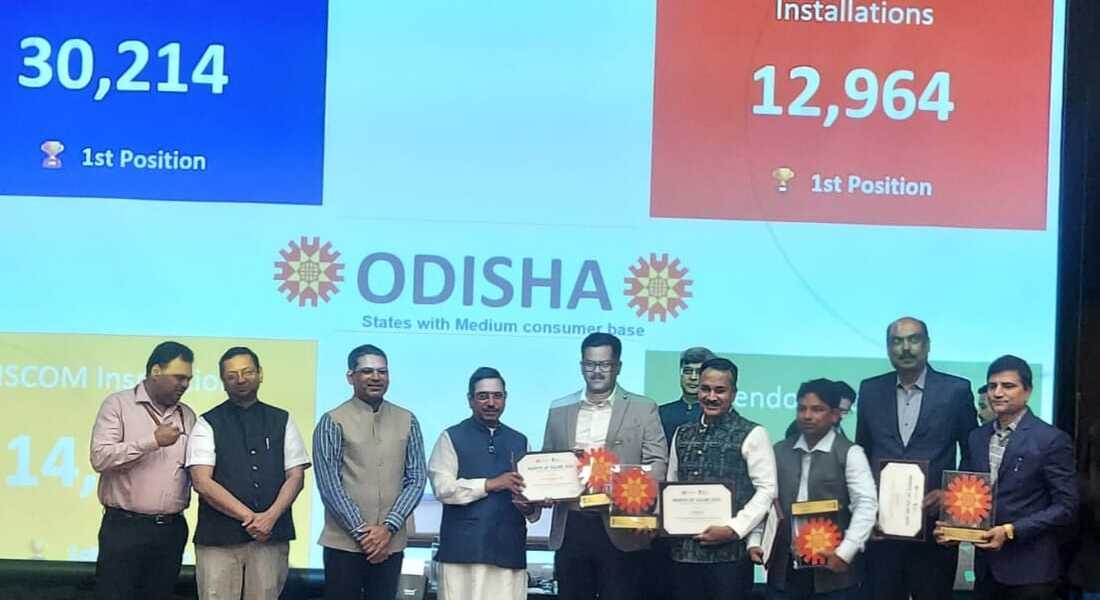
BHUBANESWAR: Odisha has emerged as one of the country’s leading performers in rooftop solar energy adoption, securing top honours at the PM Surya Ghar Excellence Awards instituted by the Ministry of New and Renewable Energy (MNRE).

The recognition came for the state’s outstanding performance during the “Month of Solar” campaign conducted in May 2026 under the PM Surya Ghar: Muft Bijli Yojana.

Odisha registered a clean sweep in major award categories, securing first place for maximum consumer applications, first place for maximum solar installations, and first place for maximum DISCOM inspections. The state also secured third place for maximum vendor registrations, underscoring its rapid progress in expanding rooftop solar infrastructure.

The awards were presented by Union Minister for New and Renewable Energy, Pralhad Joshi, and other MNRE officials. The honours were received by Energy Department Additional Secretary Saidutta Biplab Keshari Pradhan, along with officers from the state’s power distribution companies.

Deputy Chief Minister Kanak Vardhan Singh Deo hailed the achievement, attributing it to strong coordination among departments and the efforts of field-level officials across the state.

“Odisha is setting a shining example for the entire country in solar energy adoption. This recognition reinforces our commitment to environment-friendly development and lays the foundation for a self-reliant, energy-secure Odisha,” Singh Deo said.

The state government said its performance has been driven by policy support and dedicated budgetary allocations for rooftop solar projects. Officials also highlighted the Utility-Led Aggregation model, which has helped reduce entry barriers for residential consumers and enabled thousands of households to benefit from rooftop solar installations.

As part of its clean energy roadmap, Odisha aims to bring three lakh families under the rooftop solar programme by 2027. The state is also focusing on expanding infrastructure, strengthening vendor networks, and ensuring transparent inspection mechanisms to accelerate the transition to renewable energy.

The latest recognition positions Odisha among the frontrunners in India’s renewable energy mission and highlights the state’s growing role in advancing sustainable and energy-secure development.