
Talks on a new maritime corridor enter final stage, while reports highlight continuing disagreements over shipping control and concerns over US military readiness.
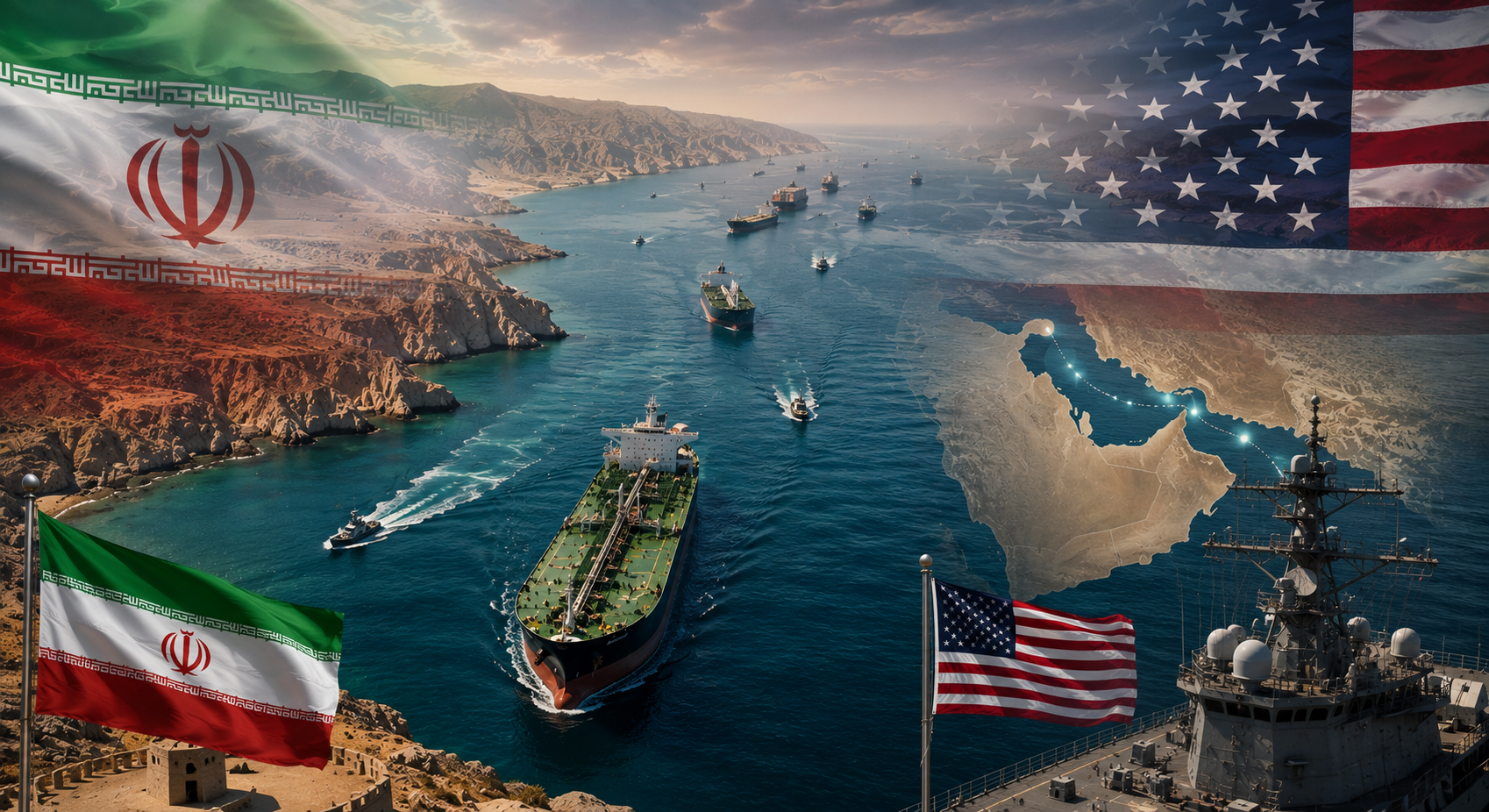
Iran and Oman are close to finalising an agreement on a new commercial shipping corridor through the strategically important Strait of Hormuz, signalling progress in efforts to restore maritime traffic through one of the world’s busiest energy routes even as wider tensions between Tehran and Washington remain unresolved.
The proposed arrangement comes after months of disruption in shipping through the Strait of Hormuz following the escalation of conflict involving Iran, the United States and Israel. The waterway carries nearly one-fifth of the world’s oil and liquefied natural gas (LNG) supplies, making any disruption a matter of global economic concern.
According to Al Jazeera, Iranian Foreign Ministry spokesperson Esmaeil Baghaei said negotiations between Tehran and Muscat were in the final stage of reviewing and drafting a joint statement after both sides agreed on the geographical coordinates of a new commercial shipping corridor. He said the discussions covered the technical, legal, security and environmental aspects of the proposed route and expressed hope that the process would conclude successfully if there was no external interference.
However, an agreement on the shipping corridor is not expected to automatically resolve the broader crisis between Iran and the United States. While Iranian officials have maintained that the negotiations are exclusively with Oman, Washington has reportedly rejected any arrangement that would leave Iran in control of maritime traffic or require ships to obtain permits or pay transit fees. The report noted that broader peace talks could resume once an agreement on the Strait of Hormuz is reached, although it remains unclear whether any arrangement would be temporary.
The BBC reported that Iran has described the proposed corridor as a temporary arrangement that could remain operational for two to four months. Baghaei also cautioned that the agreement would not by itself guarantee safe navigation, arguing that security concerns persist because of what Tehran described as the continued US naval blockade and other military actions against Iran.
One of the principal sticking points in the negotiations has been Iran’s proposal to levy transit fees on vessels using the Strait of Hormuz. Iran has reportedly proposed fees of between five and seven per cent of cargo value, Oman has discussed a lower fee of around three per cent, while the United States has opposed any such charges. Shipping through the Strait has been severely disrupted in recent months, with Iran requiring prior clearance for vessels and reportedly attacking some ships that did not comply with its directives.
Oil prices edged lower after signs of progress in the negotiations, with Brent crude falling marginally during Asian trading. Energy markets have remained highly sensitive to developments in the Strait because of its critical role in global oil and LNG transportation.
Meanwhile, The Washington Post reported that concerns over dwindling US stocks of long-range guided missiles and air-defence interceptors have become one of the factors influencing Washington’s military options in the region. According to that report, President Donald Trump questioned Defence Secretary Pete Hegseth during a recent meeting over the state of US munitions stockpiles after learning that shortages remained despite earlier assurances.
The United States has reportedly consumed large quantities of precision-guided weapons, including Tomahawk cruise missiles, Patriot interceptors, THAAD systems and tactical ballistic missiles during the recent conflict. Although additional production has been authorised, replenishing these inventories could take months or even years, limiting immediate military flexibility.
President Trump has publicly maintained that the United States possesses ample military resources while also saying discussions over the Strait of Hormuz were progressing. At the same time, Iranian officials have reiterated that any negotiations are being conducted through Omani mediation rather than directly with Washington.
The developments indicate that negotiations over the Strait of Hormuz are advancing, but significant differences remain over navigation rights, security arrangements and the broader diplomatic relationship between Iran and the United States. Until those issues are resolved, uncertainty over one of the world’s most critical maritime trade routes is likely to continue.