
Trump and Pezeshkian sign landmark MoU to reopen Strait of Hormuz and end hostilities, but violence in Lebanon continues to test the agreement.
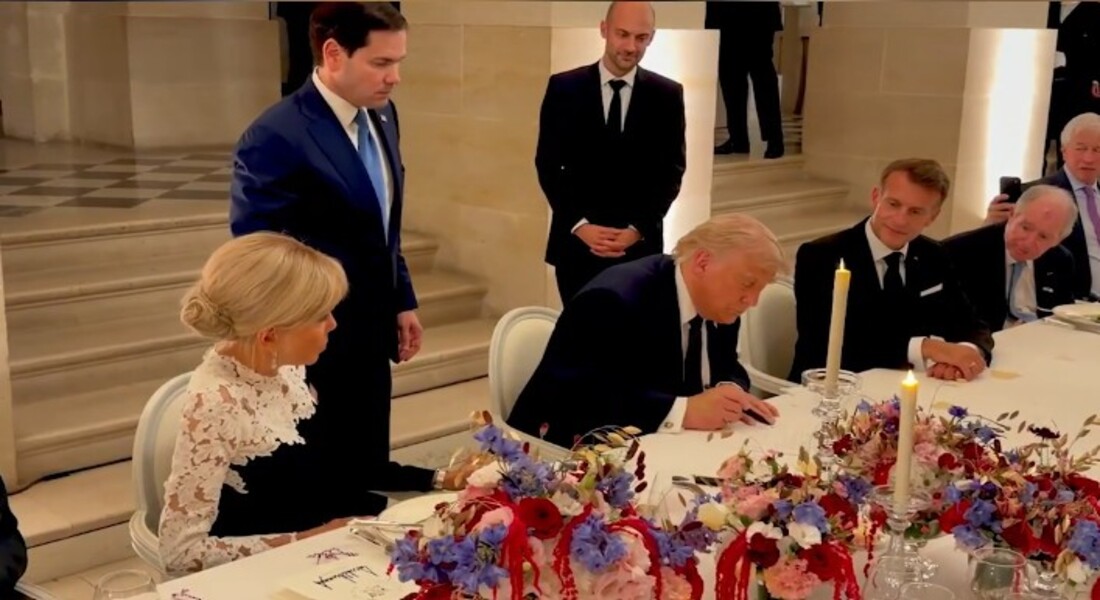
The United States and Iran have formally moved towards ending months of conflict after US President Donald Trump and Iranian President Masoud Pezeshkian electronically signed a memorandum of understanding (MoU) aimed at ending hostilities, reopening the Strait of Hormuz and easing tensions across the Middle East.
Pakistan announced that the “Islamabad MoU” has come into effect, while US officials said the agreement includes commitments by Iran not to develop or acquire nuclear weapons, an end to military operations on all fronts and the restoration of maritime traffic through the strategically important Strait of Hormuz.
The agreement follows months of escalating conflict involving the United States, Israel and Iran, which had disrupted regional stability and threatened global energy supplies.
According to The Guardian, Trump described the 14-point agreement as a major diplomatic achievement that helped avert a potential “worldwide depression”. He indicated that Washington had agreed to several concessions, including discussions on releasing frozen Iranian assets and recognising Iran’s right to enrich uranium for civilian purposes under agreed conditions.
Iranian President Pezeshkian signed the agreement from Tehran, while a formal ceremony involving senior representatives of both countries is expected in Geneva on Friday.
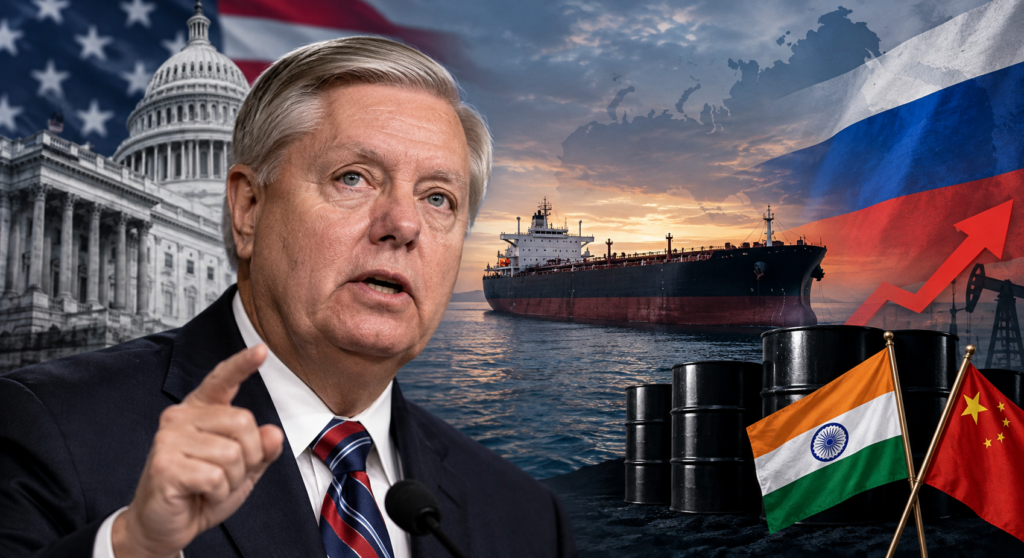
A major component of the deal is the reopening of the Strait of Hormuz, a key global energy corridor. According to Al Jazeera, Iranian authorities have shifted from earlier proposals that included transit restrictions and charges. Iranian Parliament Speaker Mohammad Bagher Ghalibaf said a new mechanism coordinated with Oman would ensure navigation through the strait in accordance with international maritime laws.
Swiss authorities have also confirmed that representatives from the United States, Iran, Pakistan, Qatar and other involved countries are expected to meet at the Buergenstock resort on Friday to discuss implementation of the agreement and future negotiations.
The deal has drawn positive reactions from several countries. Pakistan, Qatar, Saudi Arabia and Türkiye have welcomed the breakthrough, describing it as an important step towards regional peace and stability. Iran’s Foreign Minister Abbas Araghchi and Italy’s Foreign Minister Antonio Tajani also discussed the agreement in a phone conversation, stressing the importance of maintaining regional security and consolidating peace.
Hezbollah leader Naim Qassem described the agreement as a “big victory” and said any future talks with Israel should focus on mutual security arrangements rather than the disarmament of Hezbollah
Meanwhile, Israeli military operations in Lebanon have continued. Lebanon’s National News Agency reported that an Israeli drone strike near Kfar Tebnit killed one person and seriously injured another. Separately, The Times of Israel reported that Israeli soldier Alexander Filin, 29, was killed and seven others wounded in southern Lebanon in an explosion attributed to a Hezbollah explosive device.
The continuation of violence in Lebanon highlights the challenges facing implementation of the US-Iran agreement. While the deal has raised hopes for a broader regional de-escalation, developments on the ground suggest that achieving a lasting peace may still require difficult negotiations and sustained diplomatic engagement.