At IndiaVerve, we go beyond the noise to bring you meaningful stories of change, resilience and progress—from India to the world stage. Our mission is to bring readers credible, wide-ranging coverage across politics, business, sports, culture, society and more.

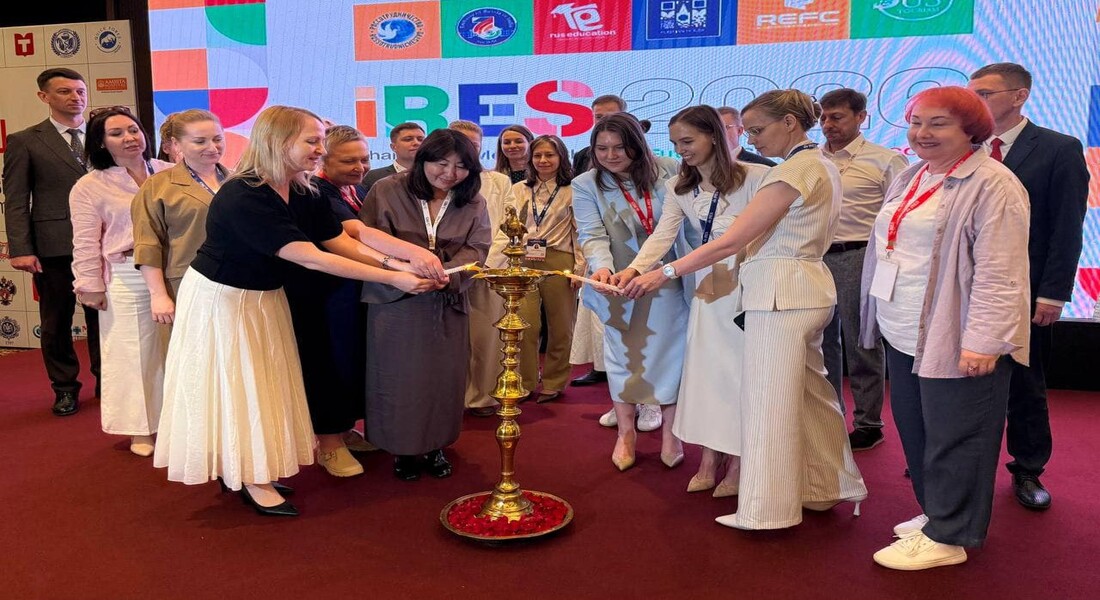
Russia-India Education Summit opens in New Delhi with participation of over 70 universities

New Delhi: An education exhibition was organised on Thursday as part of the Second Russia-India Education Summit in New Delhi, bringing together representatives from leading universities, educational organisations, students, and academic stakeholders from both countries.

The event aimed to strengthen humanitarian and academic cooperation between India and Russia while promoting international education opportunities for Indian students, the Federal Agency Rossotrudnichestvo in New Delhi said in a statement.

Addressing the participants during the inaugural session, Dr Elena Remizova, Head of the Rossotrudnichestvo Representative Office in India, and Dr Pawan Kapoor, Chairman of the Advisory Committee to the National Medical Commission on Foreign Medical Qualifications, highlighted the growing importance of educational and scientific cooperation between the two countries.

The speakers stressed the increasing interest among Indian students in pursuing higher education in Russian universities and underlined the role of youth exchanges and academic collaboration in deepening bilateral ties.

According to the organisers, more than 70 leading Russian and Indian universities are participating in this year’s education exhibition. Institutions showcased academic programmes across engineering, medicine, humanities, technology, and natural sciences. The exhibition will conclude on Friday.

Visitors at the exhibition were given information on higher education opportunities, academic mobility programmes, research initiatives, and professional development prospects offered by participating institutions.

Presentations by Russian universities attracted significant attention, with university representatives providing details regarding admission procedures, study conditions, scholarship opportunities, accommodation facilities for international students, and employment prospects after graduation.

Indian students and parents also interacted directly with university representatives to seek information regarding courses and admission-related queries.

Organisers said the exhibition served not only as a platform for academic dialogue and exchange of experiences but also as a step towards strengthening long-term institutional partnerships between Russia and India in the education sector.
CEEW study projects USD 51 billion opportunity from India’s urban organic waste by 2047

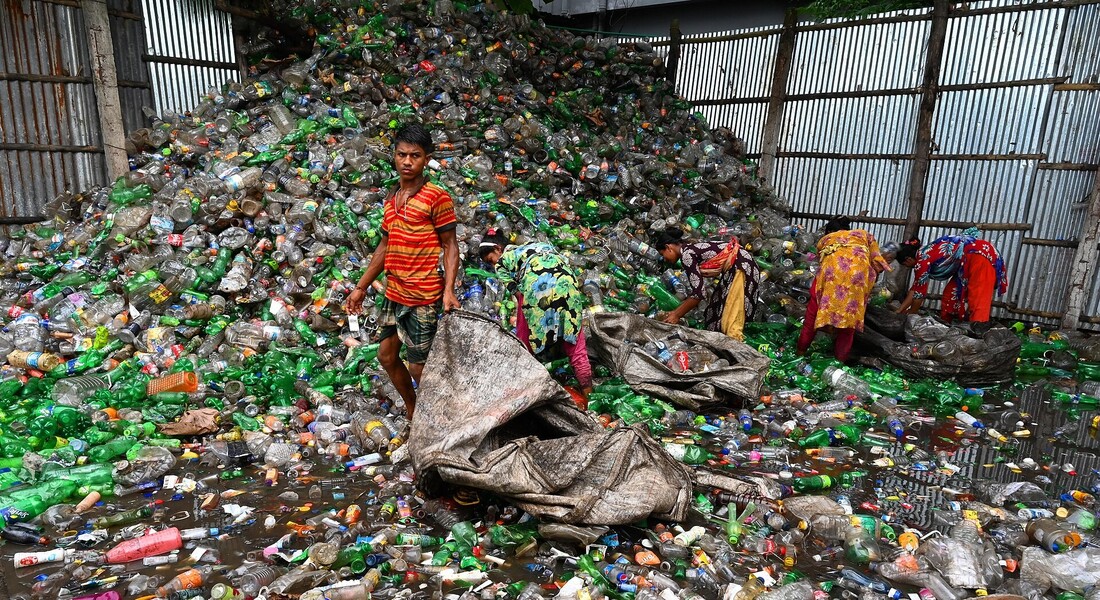
New Delhi: A new study by the Council on Energy, Environment and Water (CEEW) has projected that better management of organic waste generated in Indian cities could create a market opportunity worth nearly USD 51 billion by 2047, while generating large-scale employment and emissions reductions.

The study, titled “Organic Waste Circular Economy for Viksit Bharat: Jobs, Investment, and Emissions Pathways to 2047”, said India’s urban organic waste sector could create around 26 lakh direct jobs under an enabling policy environment focused on waste collection, segregation, and scientific processing.

According to the report, India’s cities currently generate nearly 171,000 tonnes of municipal solid waste every day, with organic waste accounting for almost half of the total. The study noted that urban organic municipal waste generation could rise to nearly 208 million tonnes annually by 2047.

Researchers said organic waste such as kitchen waste, fruit and vegetable waste, horticulture waste, and biodegradable material could be converted into compost, biogas, and biomethane through improved waste-processing systems.

The study assessed three future pathways for India’s urban organic waste sector – a business-as-usual scenario, an accelerated policy scenario, and an ambitious green transition scenario.

Under the accelerated policy pathway, where 95% of urban organic waste is processed through composting and biomethanation after full collection, India could reduce net emissions by nearly 68 million tonnes of carbon dioxide equivalent by 2047, the CEEW said in a press release.

The study also estimated that scaling up organic waste processing infrastructure would require cumulative investments of around USD 24 billion by 2047.

Manjinder Singh Sirsa, the Minister for Environment, Forest & Wildlife, Government of NCT of Delhi, in a note addressed to the launch event, said waste-to-resource systems aligned with the vision of energy self-reliance and could contribute to cleaner air and reduced fossil fuel dependence.

The report highlighted that open waste burning contributes significantly to PM2.5 pollution in Indian cities, while unmanaged organic waste increases methane emissions and contamination risks.

Prarthana Borah, Fellow, CEEW, said waste management should be treated as part of clean-air infrastructure and stressed the need for year-round local systems for segregation, collection, processing, and monitoring.

The study noted that India’s Solid Waste Management Rules, 2026, which came into effect in April this year, mandate segregation of waste at source and processing of wet waste through composting or biomethanation facilities.

According to the report, composting currently accounts for around 96% of India’s organic waste treatment capacity, while biomethanation contributes only about 4%.

The study further said India’s waste-sector emissions increased by 226% between 1994 and 2020, making it one of the fastest-growing contributors to national emissions.

Under the most ambitious green transition pathway assessed in the study, complete collection and processing of urban organic waste with greater reliance on biomethanation could expand the market opportunity to nearly USD 62 billion and reduce emissions by around 101 million tonnes of carbon dioxide equivalent by 2047.

The report recommended improving source segregation, updating waste generation data, adopting quality-based procurement systems, strengthening workforce training, and developing reliable markets for compost and bio-CNG products.

Singh Deo joins National Agriculture Conference, discusses Odisha’s farming priorities

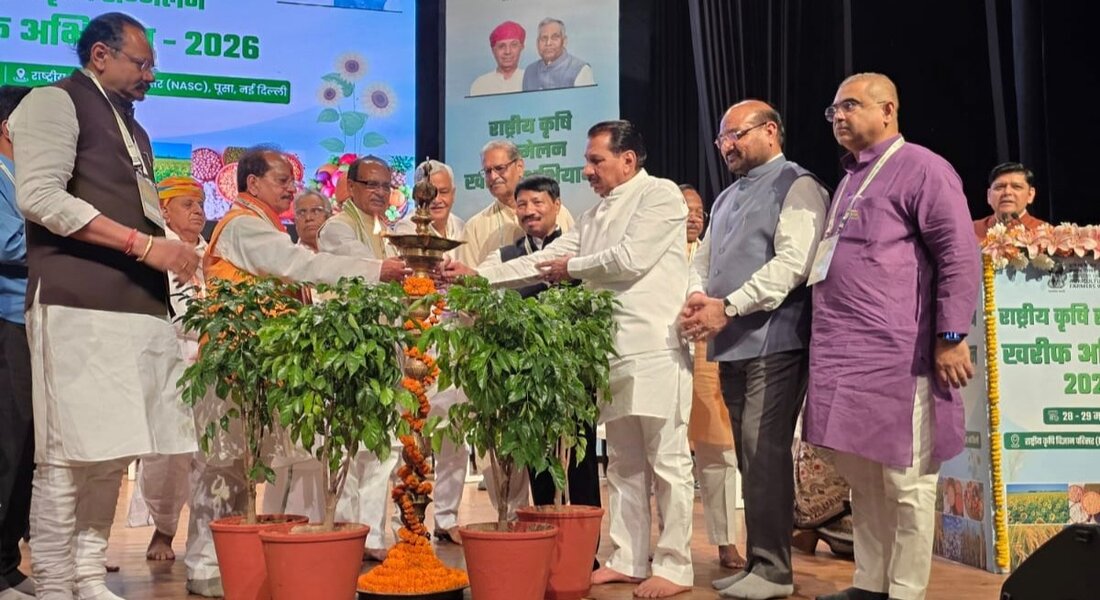
New Delhi: Odisha’s Deputy Chief Minister Kanak Vardhan Singh Deo on Friday highlighted Odisha’s focus on climate-resilient and sustainable agriculture during the National Conference on Agriculture for Kharif Campaign 2026 held at Pusa in New Delhi.

The conference was inaugurated by Union Agriculture and Farmers’ Welfare Minister Shivraj Singh Chouhan in the presence of Ministers of State Bhagirath Choudhary, Ramnath Thakur, and representatives from 19 states.

Discussions during the conference focused on key agricultural priorities, including climate resilience, preparedness for possible El Niño conditions, crop diversification, seed quality improvement, and promotion of natural farming practices.

In a post on X, Singh Deo said: “For Odisha, these priorities resonate with our mission – empowering farmers through innovation, expanding pulses and oilseeds cultivation, advancing natural and organic farming, and building resilient agri-infrastructure. Together, we are shaping a roadmap where agriculture is not only productive but also sustainable, dignified, and transformative for every farmer.”

On the second day of the event, Chouhan held detailed discussions with state agriculture ministers, scientists, senior officials, and progressive farmers on strategies for accelerating agricultural growth through policy support, innovation, and farmer-centric initiatives, according to an official statement.

Describing the gathering as a meeting of the “Agriculture Team of India,” the Union minister said stronger coordination between the Centre and states was essential for improving agricultural productivity and farmer welfare.

Chouhan also said India has recorded its highest-ever food-grain production, with the third advance estimates placing total output at around 376.563 million tonnes. He credited the achievement to the leadership of Prime Minister Narendra Modi, scientific advancements, farmers’ efforts, and cooperation from states.

He added that India has emerged as a global leader in rice production while also registering significant progress in wheat, maize, pulses, and oilseeds output.

Odisha signs semiconductor substrate manufacturing deal with Intel-backed collaboration

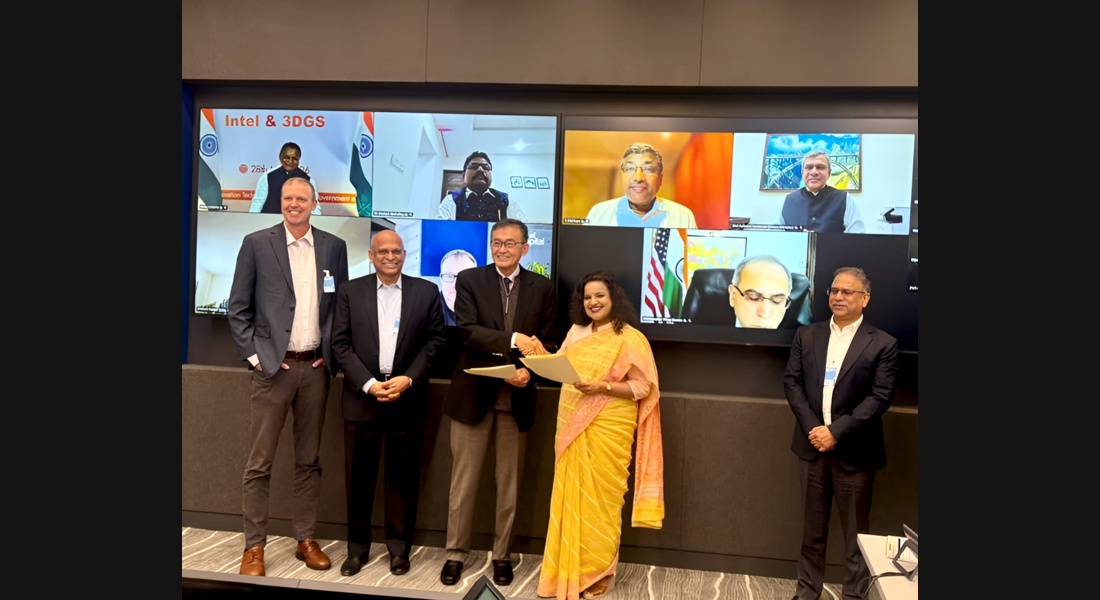
Bhubaneswar: Odisha on Friday moved a step closer towards becoming a semiconductor manufacturing hub after a major agreement was signed to establish an advanced packaging glass core substrate manufacturing facility in the Bhubaneswar-Khurda region.

The Memorandum of Understanding was signed between the government of Odisha, Intel Corporation, and 3DGS Inc. in the presence of Union Electronics and IT Minister Ashwini Vaishnaw, Chief Minister Mohan Charan Majhi, Intel CEO Lip-Bu Tan, and other senior officials.

The proposed project is expected to attract an investment of nearly USD 3.3 billion, making it one of the country’s largest investments in high-technology manufacturing, according to an official statement.

Officials said the facility will focus on advanced packaging glass core substrates, high-density interconnect substrates, and related semiconductor technologies. Intel is expected to provide technology expertise and process support for the initiative.

Speaking at the event, Vaishnaw said the agreement aligns with the Centre’s broader push to develop a complete semiconductor manufacturing ecosystem in India. He noted that the participation of global technology firms reflects increasing international confidence in India’s semiconductor ambitions.

The minister referred to the growing presence of companies such as Applied Materials, Lam Research, Tokyo Electron, and Merck Electronics in India’s semiconductor ecosystem. He also highlighted the recently signed partnership between Tata Electronics and Dutch semiconductor equipment maker ASML.

The project is planned to be executed in phases over the next five to six years and is expected to create more than 1,800 direct high-skilled jobs, apart from generating indirect employment across the wider manufacturing and technology sectors.

The initiative is part of the ongoing efforts under the India Semiconductor Mission aimed at strengthening domestic manufacturing capabilities, semiconductor design infrastructure, and supply chain development.

Officials said the proposed facility could help position Odisha as an emerging centre for semiconductor manufacturing and digital infrastructure development in India.

WMO warns of record global heat over next five years as El Niño risk grows

New Delhi: The World Meteorological Organization (WMO) has warned that global temperatures are likely to remain at or near record highs over the next five years, with an increasing possibility of new heat records and continued warming across the Arctic region.

In its latest Global Annual-to-Decadal Climate Update, produced by the UK Met Office, the WMO said annual global average near-surface temperatures between 2026 and 2030 are expected to remain between 1.3°C and 1.9°C above pre-industrial levels recorded during 1850-1900.

The report stated there is an 86% chance that at least one year between 2026 and 2030 will surpass 2024 as the warmest year ever recorded globally.

According to the forecast, there is also a 91% probability that global temperatures will temporarily exceed 1.5°C above pre-industrial levels during at least one year in the five years.

In a press release, the WMO noted that global temperatures had already briefly crossed the 1.5°C mark in 2024, when the average surface temperature was estimated at around 1.55°C above the historical baseline.

The climate update further said there is a 75% chance that the average warming across the entire 2026-2030 period will remain above 1.5°C. However, the report added that the possibility of any single year crossing the 2°C threshold remains exceptionally unlikely.

Scientists involved in the assessment pointed to the possible return of El Niño conditions as one of the factors that could intensify global warming trends in the coming years.

Lead author Leon Hermanson said climate models indicate an El Niño event may emerge towards the end of 2026, increasing the likelihood that 2027 could become another record-breaking year for global temperatures.

The report also highlighted the rapid pace of Arctic warming. Temperatures across the Arctic during the next five northern hemisphere winters are expected to rise by around 2.8°C above the 1991-2020 average – more than three times higher than the projected global average anomaly for the same period.

In addition, forecasts suggest continued declines in Arctic sea ice concentration, particularly in the Barents Sea, Bering Sea, and Sea of Okhotsk.

The WMO said wetter-than-average conditions are likely in several high-latitude regions, while parts of the subtropics may experience drier conditions consistent with long-term climate warming patterns. Seasonal forecasts for 2026-2030 indicate wetter conditions in regions including the Sahel, northern Europe, Alaska, and Siberia, while drier conditions are expected over the Amazon region.

The report clarified that temporary annual breaches of the 1.5°C warming threshold do not mean the long-term goals of the Paris Agreement are unattainable, as the agreement refers to sustained temperature increases measured over longer periods.

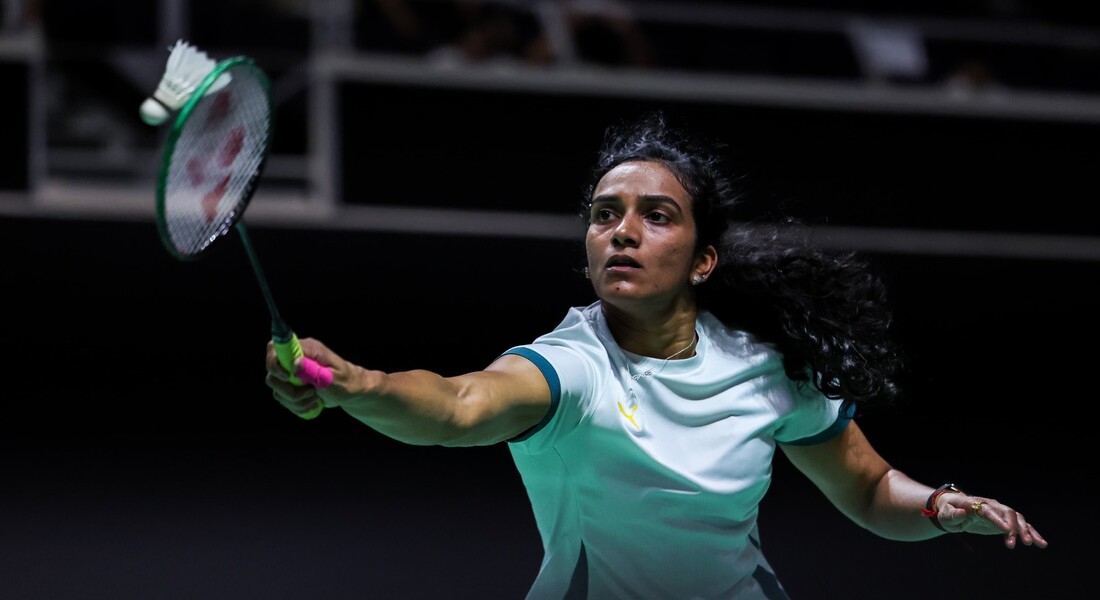
PV Sindhu exits Singapore Open after quarterfinal defeat to An Se Young

The Indian shuttler showed glimpses of aggression but struggled to sustain pressure against the world No. 1, extending her losing streak against the Korean star.

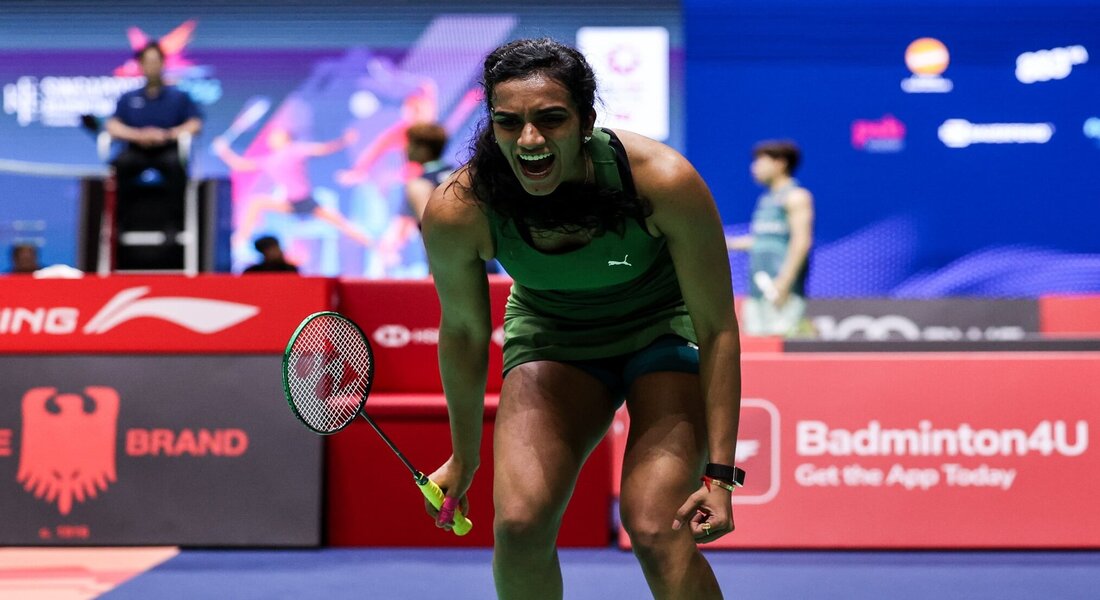
India’s campaign at the Singapore Open Super 750 came to an end on Friday after double Olympic medallist PV Sindhu bowed out in the women’s singles quarterfinals, losing in straight games to world No. 1 An Se Young of South Korea.

Sindhu fought hard in patches and displayed moments of attacking brilliance but was unable to maintain consistency against the reigning Olympic champion, who secured a 21-17, 21-14 victory in a match lasting 48 minutes.

The defeat further extended Sindhu’s difficult run against An, marking her ninth consecutive loss to the Korean star. The ace shuttler has managed to take just one game off An during this stretch, underlining the South Korean’s growing dominance in their rivalry.

Facing one of the most in-form players on the circuit, Sindhu entered the contest with a challenging task. An has enjoyed an exceptional season, suffering only a single defeat this year and continuing to establish herself as one of badminton’s most dominant players.

Sindhu adopted an aggressive approach from the start, relying on powerful smashes and quick interceptions to challenge her opponent. However, An’s superior movement and sharp control helped the Korean establish an early lead in the opening game.

Trailing at the mid-game interval, Sindhu mounted a spirited comeback and narrowed the gap with a series of attacking shots. At one stage, she came within touching distance after winning a long rally and reducing the deficit to two points.

Yet, a couple of costly errors at crucial moments shifted momentum back in An’s favour, allowing the Korean to close out the opening game.

The second game proved more difficult for Sindhu as An raced to an early advantage, forcing the Indian onto the defensive. Although Sindhu gradually regained rhythm and attempted to close the gap with some aggressive shot-making, An maintained control with precise placement and strong retrieval skills.

Sindhu briefly threatened a comeback midway through the second game after winning a demanding rally and cutting the deficit. But a string of unforced errors dented her chances, while An’s relentless consistency made it difficult for the Indian to recover.

The Korean eventually sealed victory comfortably to move into the semifinals, continuing her impressive run at the tournament.

Despite the defeat, Sindhu showed flashes of the attacking game that once made her one of the sport’s most feared competitors, though inconsistency continues to remain a hurdle against elite opposition.

IMD forecasts below normal monsoon rainfall for India in 2026

New Delhi: The India Meteorological Department (IMD) on Friday projected below normal rainfall for the 2026 southwest monsoon season, raising concerns for rain-dependent agricultural regions across the country.

In its updated long-range forecast for the June-September monsoon season, the IMD said India is likely to receive rainfall equivalent to 90% of the Long Period Average (LPA), with a model error margin of ±4%. The forecast indicates the strongest probability of below-normal rainfall during the four-month monsoon period.

According to the weather agency, rainfall over Northeast India is expected to remain within the normal range, estimated between 94 and 106% of the LPA. However, Central India, Northwest India, and South Peninsular India are likely to record below-normal rainfall during the season.

In a detailed post on X, the IMD also warned that rainfall in the Monsoon Core Zone – which covers a large part of India’s rainfed agricultural belt – is expected to remain below normal. The agency said most parts of the country are likely to witness reduced seasonal rainfall, although some areas in northwestern and northeastern India, parts of eastern peninsular India, and isolated pockets in eastern and east-central regions may receive normal to above normal rainfall.

For June 2026, the IMD has forecast below normal rainfall across the country, with monthly rainfall expected to remain under 92% of the LPA in many regions. Only limited areas in northwestern India, the Northeast, parts of the southern peninsula, and isolated pockets of central India are likely to receive normal or above normal rainfall during the month.

The forecast also points to warmer conditions across much of India in June. Maximum and minimum temperatures are expected to remain above normal in most regions, though some pockets in central, northwestern, and eastern India may record near-normal or below-normal temperatures.

The IMD further warned of increased heat wave activity during June in several states, including Uttar Pradesh, Haryana, Punjab, Bihar, Odisha, Chhattisgarh, Gujarat, and Andhra Pradesh. Some isolated pockets in Maharashtra, Telangana, Himachal Pradesh, and Tamil Nadu may also experience above normal heat wave days.

On global climate indicators, the IMD said neutral El Niño-Southern Oscillation conditions over the equatorial Pacific are gradually evolving towards El Niño conditions, which could influence the monsoon during the season. Neutral Indian Ocean Dipole conditions are currently prevailing and are expected to continue through the monsoon months.

The IMD is expected to release its forecast for July rainfall in the last week of June 2026.

Sindhu leads Indian charge into Singapore Open quarter-finals

New Delhi: India enjoyed a productive day at the Singapore Badminton Open 2026 as PV Sindhu, Lakshya Sen, and the men’s doubles duo of Satwiksairaj Rankireddy and Chirag Shetty advanced to the quarter-finals with commanding performances on Thursday.

Two-time Olympic medallist PV Sindhu continued her impressive run in the women’s singles competition with a straight-game victory over Japan’s Riko Gunji. The Indian shuttler wrapped up the contest 21-9, 21-12 in only 37 minutes to move into the last eight.

Sindhu, currently ranked No. 11 in the world, had earlier defeated Indonesia’s Putri Kusuma Wardani in the opening round and now faces a major challenge against reigning Olympic champion and world No. 1 An Se-young. The Indian star is yet to register a win against the South Korean in their previous eight meetings, according to olympics.com.

In men’s doubles, Asian Games gold medallists Rankireddy and Shetty were tested by Chinese Taipei pair Lee Jhe-huei and Yang Po-hsuan before sealing a 21-15, 11-21, 21-18 win in a three-game battle.

The Indian combination will next face Malaysia’s Aaron Tai and Kang Khai Xing for a place in the semi-finals.

India also made progress in mixed doubles as Tanisha Crasto and Dhruv Kapila bounced back after losing the opening game to defeat Japan’s Maya Taguchi and Yuta Watanabe 8-21, 21-17, 21-16.

The Indian pair now prepares for a tough quarter-final clash against the world No. 4 Malaysian duo Chen Tang Jie and Toh Ee Wei.

In men’s singles, Lakshya Sen’s passage to the quarter-finals came under unusual circumstances after Thailand’s Kunlavut Vitidsarn retired from the match just a minute after play began.

Lakshya Sen will now face Japan’s Koki Watanabe in the quarter-finals on Friday.

However, it was the end of the road for HS Prannoy, who lost a hard-fought round of 16 contest to Singapore’s former world champion Loh Kean Yew 21-18, 16-21, 21-15.

Indian challenge stumbles as Carlsen beats Gukesh in Norway chess

New Delhi: India’s campaign at the ongoing Norway Chess 2026 faced a mixed day in Oslo on Thursday as reigning world champion D Gukesh suffered a classical defeat against World No. 1 Magnus Carlsen, while Divya Deshmukh saw her unbeaten streak come to an end in the women’s section.

Playing with the white pieces, Gukesh began steadily against Carlsen in Round 4 but gradually came under pressure in the middlegame. The Norwegian star used active piece play and strong control on the queenside to build an advantage before converting the game in 42 moves.

The result marked Carlsen’s first classical victory of the tournament and came shortly after his earlier loss to fellow Indian Grandmaster R Praggnanandhaa, according to chess.com.

India, however, still had reason to celebrate as Praggnanandhaa continued his solid form by defeating Germany’s Vincent Keymer in the Armageddon tie-break. Their classical game ended level before the Indian Grandmaster produced a dominant display in the decider.

In the women’s event, Divya Deshmukh battled defending champion Anna Muzychuk in a tense contest. Divya created attacking opportunities during the classical game, but Muzychuk defended accurately as the encounter ended in a draw after 63 moves.

The Ukrainian grandmaster later prevailed in the Armageddon tie-break after capitalising on tactical mistakes in the endgame. The result ended Divya’s impressive unbeaten run in the competition.

Meanwhile, veteran Indian player Koneru Humpy endured another difficult outing after losing her Armageddon game against Zhu Jiner.

Elsewhere in the open section, Wesley So handed tournament leader Alireza Firouzja his first defeat of the event. Despite the loss, Firouzja continues to lead the standings.

With several rounds still remaining, the Indian contingent will look to bounce back strongly as the prestigious tournament heads into a crucial phase.