At IndiaVerve, we go beyond the noise to bring you meaningful stories of change, resilience and progress—from India to the world stage. Our mission is to bring readers credible, wide-ranging coverage across politics, business, sports, culture, society and more.
At IndiaVerve, we go beyond the noise to bring you meaningful stories of change, resilience and progress—from India to the world stage. Our mission is to bring readers credible, wide-ranging coverage across politics, business, sports, culture, society and more.
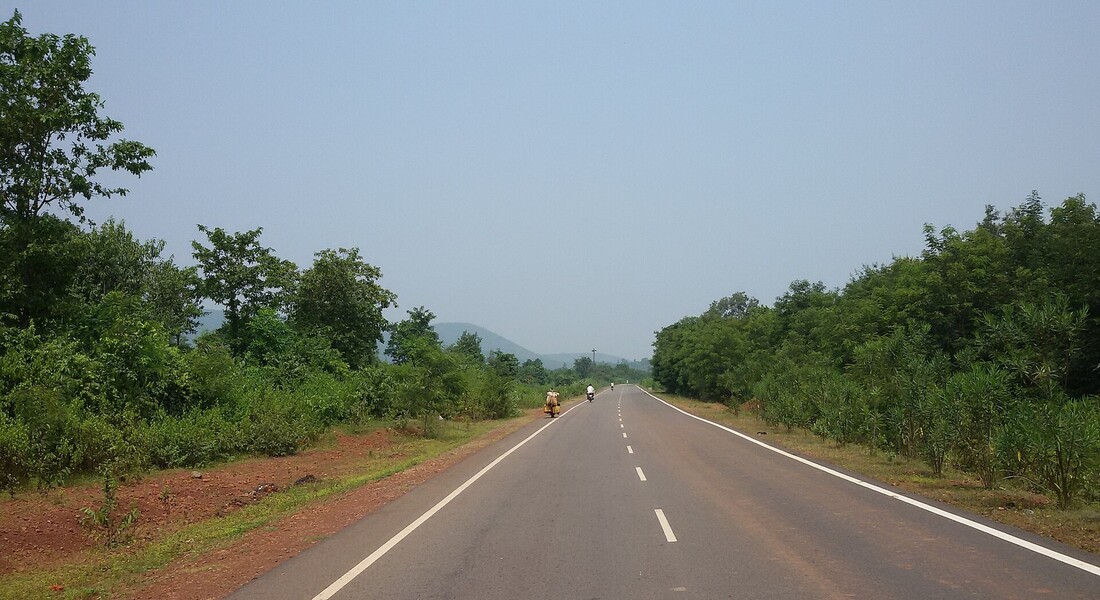
Bhubaneswar: The Central government on Saturday approved Rs 447.11 crore for the upgradation of the Kurumpuri–Raj Khariar road section, spanning 103.52 km across National Highways 353 and 59 in Odisha’s Nuapada and Balangir districts.
The announcement was shared by Union Minister for Road Transport and Highways Nitin Gadkari on his X account, highlighting the Centre’s focus on strengthening critical road infrastructure in the region.
According to Gadkari, NH-353 and NH-59 together form a key interstate corridor connecting the Raipur–Mahasamund region of Chhattisgarh with Odisha. The route further extends towards Berhampur and Gopalpur Port, making it strategically important for both passenger and freight movement, the minister said.
Gadkari further said the project will significantly enhance regional and interstate connectivity. It is expected to facilitate smoother and more efficient transport across multiple districts, including Nuapada, Balangir, Kalahandi, Kandhamal, and Ganjam.
The upgradation work will include rectification of identified black spots and provision of paved shoulders along the highway stretch. These measures are aimed at improving road safety, particularly for two-wheelers, which account for a substantial share of traffic in the area.
The improved corridor is also set to boost access to prominent tourist destinations such as Daringbadi and Sunabeda Wildlife Sanctuary, along with nearby hill regions. Enhanced connectivity is expected to support tourism growth and contribute to local economic development.
The project underscores the Centre’s continued push to modernise highway infrastructure and strengthen connectivity between Odisha and neighbouring states.
Bhubaneswar: The Central government on Saturday granted in-principle (Stage-I) forest clearance for the proposed Shree Jagannath International Airport project in Puri district.
The approval has been issued by the Ministry of Environment, Forest and Climate Change under Section 2 (1) (ii) of the Van (Sanrakshan Evam Samvardhan) Adhiniyam, 1980, following examination of the proposal submitted by the Odisha government.
As per official communication, the clearance allows diversion of 27.887 hectares of DLC forest land under the Puri Forest Division for the airport project.
The proposal was reviewed by the Advisory Committee constituted under the Act on February 27, 2026. Based on its recommendations, and with approval from the competent authority, the Centre accorded Stage-I clearance subject to stipulated conditions.
The project falls under the jurisdiction of the government of Odisha, which had sought prior approval for the use of forest land for the proposed airport.
Further clearances and compliance with specified conditions will be required before final approval for the diversion of forest land is granted.
New Delhi: Iran has conveyed a message of goodwill to India after an India-flagged LPG tanker successfully crossed the Strait of Hormuz amid ongoing regional tensions in West Asia.
The message came after the seventh Indian vessel, Green Sanvi, carrying around 46,650 metric tonnes of LPG, navigated through the strategic waterway and headed towards India. The development was highlighted by Gujarat Deputy Chief Minister Harsh Sanghavi, who described the passage as a “victory for Indian diplomacy”.
Responding to his remarks, the Iranian Consulate in Mumbai said India, particularly Gujarat, holds a “cherished place” in shared history and emphasised the long-standing civilisational ties between the two regions.
“India, and Gujarat in particular, hold a cherished place in our shared history; having graciously welcomed those from our land centuries ago,” the Consulate said in a post on X, adding that it remains committed to strengthening friendship and cooperation.
India, & #Gujarat in particular, hold a cherished place in our shared history; having graciously welcomed those from our land centuries ago.
Building on this enduring civilizational bond, we remain committed to further strengthening the ties of friendship & cooperation.#Iranhttps://t.co/KHruteGkY2
— Consulate General of the I.R. Iran in Mumbai (@IRANinMumbai) April 4, 2026
The reference is seen as a nod to historical maritime links between the Indian subcontinent and the Persian region.
The transit of the tanker comes at a time when the Strait of Hormuz, a critical global energy route, has been effectively restricted following the ongoing conflict. The waterway accounts for a significant share of global oil and gas shipments.
So far, six other Indian LPG vessels have successfully reached ports after crossing the strait, while several Indian ships remain stranded on the western side of the corridor.
Iran has reportedly restricted passage for certain vessels but allowed movement for a select group of countries, including India.
The disruption in the region has also contributed to rising global crude oil prices, which have remained elevated amid uncertainty in supply chains.
Meanwhile, the Union government has clarified that there are no disruptions in India’s crude oil procurement from Iran. The Petroleum Ministry said Indian refiners have already secured their oil requirements, including supplies from Iran, and dismissed reports suggesting payment-related issues.
The statement comes after speculation that an Iranian oil shipment intended for India had been diverted to China. The government maintained that there are no payment hurdles affecting imports.
The developments come amid broader geopolitical shifts in the region, with India continuing to navigate energy security concerns while maintaining diplomatic engagement.
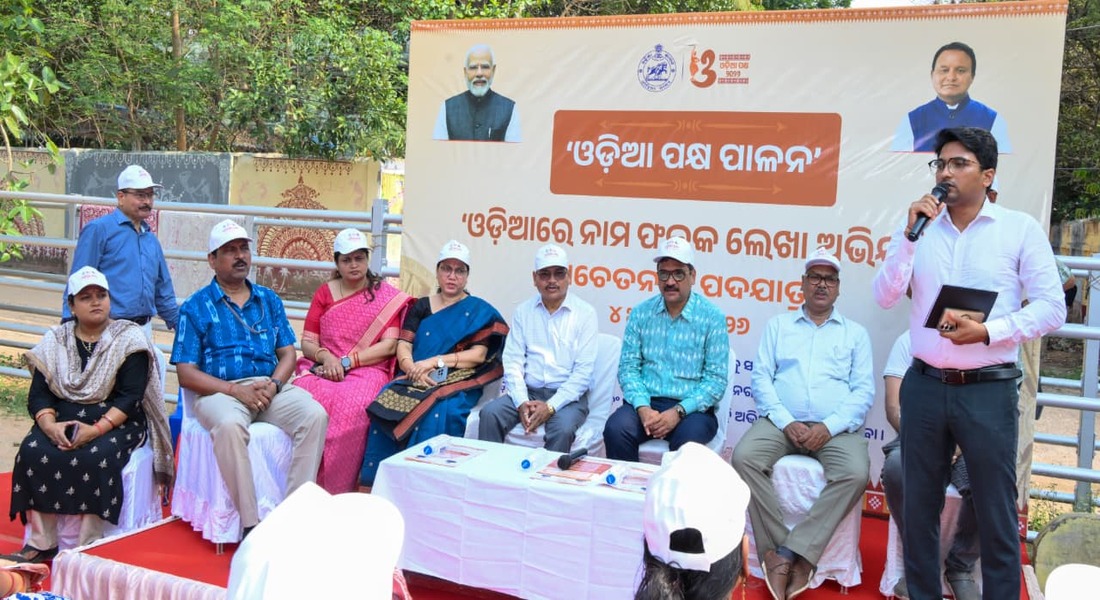
Bhubaneswar: An awareness programme was organised in the state capital on Saturday to encourage the use of Odia language nameplates in shops and commercial establishments as part of the ongoing Odia Pakhya–2026 celebrations.
The campaign, led by the Labour and Employees’ State Insurance Department, aimed to promote the use of Odia in business signage and raise awareness about compliance with existing legal provisions.
The rally, held from Lower PMG to the office of the Labour Commissioner, saw participation from more than 200 people, who pledged to promote and preserve the use of the Odia language.
Labour Commissioner Indramani Tripathy formally inaugurated the awareness march. Addressing participants, he said that departmental officials will conduct inspections of shops and commercial establishments across the city from April 4 to April 7.
He stated that in places where Odia nameplates are not clearly displayed, business owners will be advised to install accurate and properly written Odia signage. He emphasised that language is a symbol of identity and pride, and ensuring its use in commercial spaces is a collective responsibility.
Officials also highlighted that under the Odisha Shops and Commercial Establishments Act, displaying shop nameplates in Odia language clearly and correctly is mandatory. As per Section 35 of the Act, violations can attract financial penalties.
For first-time violations, fines ranging from Rs 5,000 to Rs 10,000 may be imposed, while repeat offences can attract penalties between Rs 10,000 and Rs 20,000.
The awareness drive also aims to inform traders about these legal provisions and encourage them to adopt Odia signage, thereby upholding the dignity and prominence of the language.
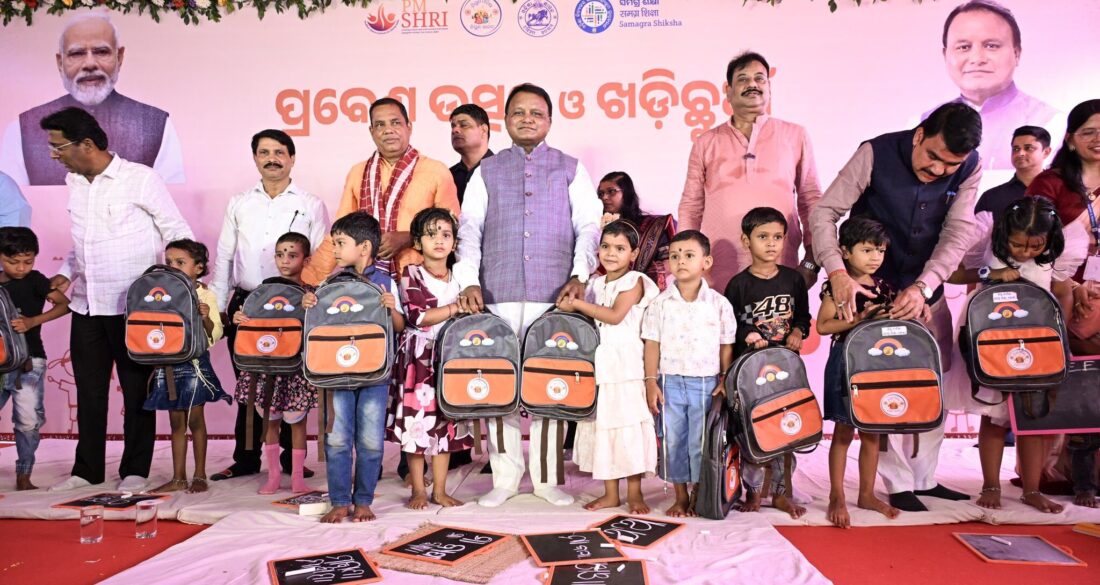
Bhubaneswar: Odisha Chief Minister Mohan Charan Majhi on Friday participated in the state-level Pravesh Utsav and Khadi Chhuan programme, initiating the formal learning journey of young children and emphasising the importance of universal enrolment in education.
The Chief Minister attended the programme held at Raj Bhavan Government Upper Primary School in Bhubaneswar, where he symbolically began children’s education by guiding them to write “mother” and “father” on slates using chalk.
Interacting warmly with the children, he engaged them in simple conversations about their families and daily lives, helping create a comfortable and encouraging environment for their first learning experience.
Speaking on the occasion, Majhi said that celebrating the beginning of education as a festival in every village and locality is encouraging parents to enrol their children in schools.
He underlined that the initiative aims to ensure that no child in the state is deprived of education and that learning begins with interest and respect rather than fear.
Highlighting the state’s efforts to achieve 100 percent enrolment, the Chief Minister said that around five lakh invitation cards have been distributed this year to motivate parents to send their children to school.
Describing the Khadi Chhuan ceremony as a sacred tradition in Odia culture, he noted that the state government has institutionalised the practice in recent years to promote early education.
The Chief Minister also visited an exhibition showcasing teaching and learning materials developed under the ‘Nipun Odisha’ and ‘Padhiba, Gadhhiba Odisha’ initiatives across schools.
During the programme, he distributed educational kits to children and appreciated their participation in drawing activities. Several children also presented their artworks to the Chief Minister.
Appealing to the media, Majhi urged them to act as a bridge between government initiatives and the public, and to help transform the education campaign into a mass movement across the state. He emphasised that education is the true asset for the future and called for greater public awareness.
He also advised teachers to treat students with care and nurture their talents to ensure holistic development.
As part of the programme, the Chief Minister flagged off an education awareness vehicle aimed at spreading awareness about enrolment and learning initiatives.
School and Mass Education Minister Nityananda Gond, legislators Babu Singh, Prashant Kumar Jagdev and Ananta Narayan Jena, Bhubaneswar Mayor Sulochana Das, social worker Jagannath Pradhan, and senior officials including Commissioner-cum-Secretary N. Thirumala Naik and OSEPA Project Director Ananya Das were present at the event.
Women farmers navigate erratic climate, migration and resource stress while building local, sustainable solutions through collective action
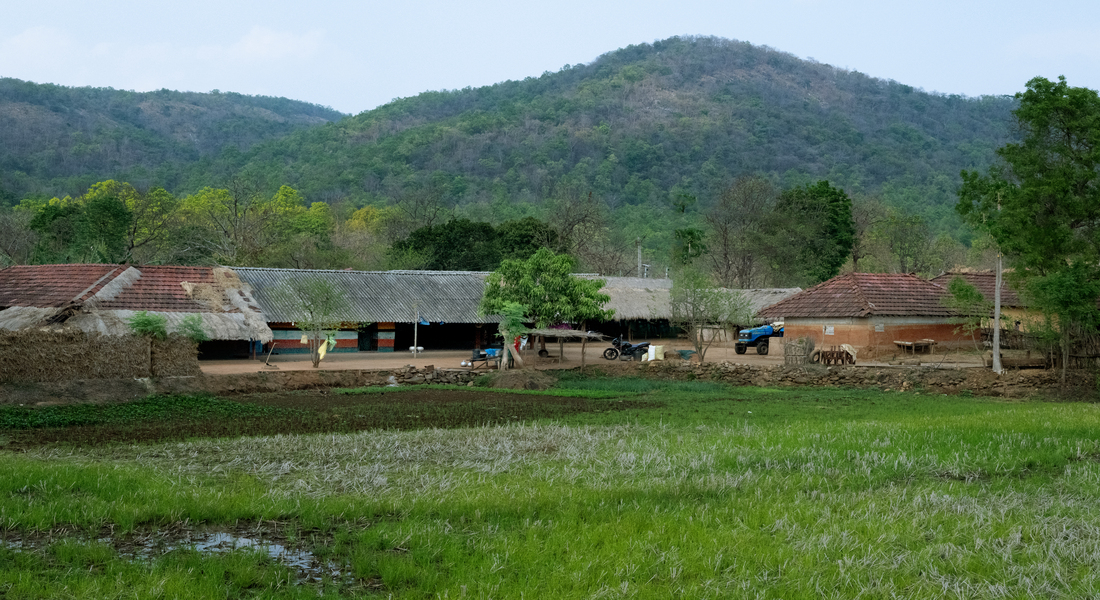
In Udali village of Budhikhamari panchayat of Odisha’s Mayurbhanj district, Mina Rani Naik waited, watching the sky stretch endlessly above her fields. When the monsoon finally arrived, it came all at once—hard, unforgiving—washing away the seeds she had sown just days before.
She sowed again. By then, her husband had already left for Gujrat in search of work. The farm, like everything else, was now hers to manage.
“We don’t know the seasons anymore,” she said. “But the work keeps increasing.”
In neighbouring Khadikasole, Ganga Marandi tells a similar story, though hers is less about a single season and more about a slow, unsettling shift. “Earlier, we could understand the rains,” she says. “Now we keep guessing. If the crop fails, we adjust. If water is less, we walk more.”
This is what climate change looks like in Mayurbhanj. Not charts or forecasts—but waiting, guessing, adjusting. And in this landscape of uncertainty, it is women who are quietly holding everything together.
When the climate shifts, women absorb the shock
Mayurbhanj is a place where agriculture depends almost entirely on the monsoon. A place where forests, fields, and daily wage labour are tightly interwoven. A place where climate change is no longer a distant idea—it is a daily negotiation.
Across Udali, Khadikasole and Budhikhamari villages, women describe the changes not in technical terms, but through lived disruptions:
Rain that arrives too late—or too suddenly. Ponds that dry up before summer peaks. Crops that no longer behave as they used to. Forests that yield less than before.
And, increasingly, men who leave either permanent or seasonal, but in search of work.
When farming fails or income dips, men move to cities—Hyderabad, Surat, Chennai—chasing work that the land can no longer guarantee.
What remains behind is not emptiness, but a shift.
Women step into expanded roles—farmers, caregivers, water carriers, livestock keepers, decision-makers in practice if not always in name.
“We have to manage everything now,” one woman said during a community assessment. “Field, home, animals—everything.”
Climate change, here, is not just environmental. It is deeply gendered. Its weight settles unevenly—and women carry most of it.
Not just coping—women are seeking change
And yet, what stands out is not just the burden, but the response.
A Community Need and Training Assessment conducted with 100 women across these villages in November 2025 revealed something striking: women were not only aware of the changes around them, but they were also actively looking for ways to adapt.
Their demands were clear, grounded, and practical:
How to make organic manure. How to preserve seeds. How to grow crops that can withstand uncertain weather.
This was not only curiosity but a search for control in a system that had become unpredictable.
Chemical fertilisers, widely used across farms, are becoming expensive and increasingly unreliable. Soil was weakening, losing its texture and moisture-holding capacity. Costs were rising season after season, even as yields remained uncertain. Risks were multiplying—financial, ecological, and deeply personal.
In a group discussion held in Budhikhamari last November, women spoke about another layer of concern—one that rarely enters formal conversations. Several of them linked the growing use of chemical inputs in their fields to persistent health issues within their households.
“We are seeing more problems now,” one woman said. “Blood pressure, gastric trouble, bloating… even breathing issues.”
There is no formal study here, no clinical attribution. But the pattern, as the women described it, felt too consistent to ignore.
“Earlier, we did not have so many of these problems,” another added. “Now both the food and the fields have changed.”
Their articulation may not be framed in scientific terms, but it reflects a lived connection—between what goes into the soil and what returns to the body.
“We spend more, but we are not sure what we will get,” one woman explained.
Organic practices, by contrast, felt closer—more within reach. They could be prepared using local materials. They reduced dependence on markets. They drew on knowledge that women already carried, even if it had long been undervalued.
“There is cow dung, leaves, what we already have,” another woman said. “We can use that.”
This was not just about farming differently. It was about reclaiming a sense of agency in uncertain times.
Learning together, trying together
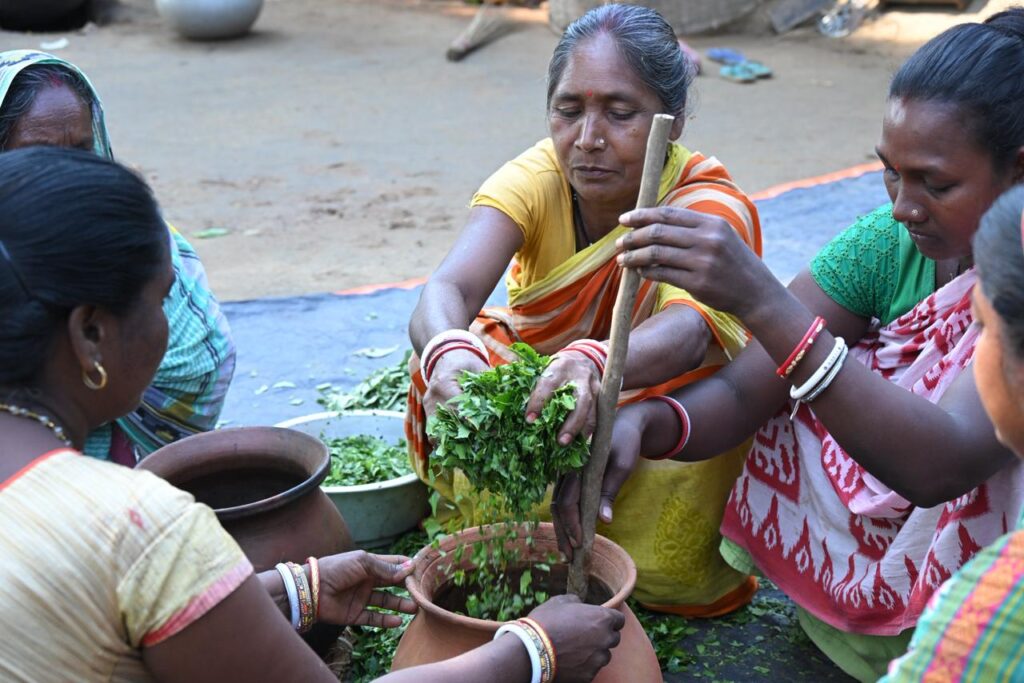
Women groups preparing Jeebamrit in Khadikasole
In response, a series of trainings were introduced under the project “Empowering Rural Women Groups in Climate Resilient Farming Practices in Mayurbhanj,” supported by the Hubert Humphrey Alumni Impact Grant and implemented in collaboration with Kartabya, Centre for Social Change.
The project trained 100 women from the three villages in organic practices.
The sessions were practical, hands-on, and rooted in local realities. Women learned to prepare jeevamrit and beejamrit as organic manures, experiment with composting, and use botanical pesticides like neemastra.
They were not just learning new techniques—they were recognising the value of what they already knew.
“It felt like something we could do ourselves,” said Mina Rani Mohanta from Budhikhamari. “Not something we have to buy.”
For Brundabati Mohanta in Khadikasole, the appeal was simple: “It saves money. And we understand it.”
But learning, here, was never meant to remain in the training space. It moved—to fields, to conversations, to collective experimentation.
The power of small beginnings
Adoption did not arrive as a sweeping change. It began in fragments: a small patch of land, a shared experiment, a conversation between women after a meeting.
In Udali, Minati Murmu remembers how it started: “At first, we were not sure. Then we spoke among ourselves. A few of us tried together.”
That “together” mattered. It reduced risk. It built confidence. It turned individual hesitation into collective action. Soon, more women began to observe, ask questions, and join in.
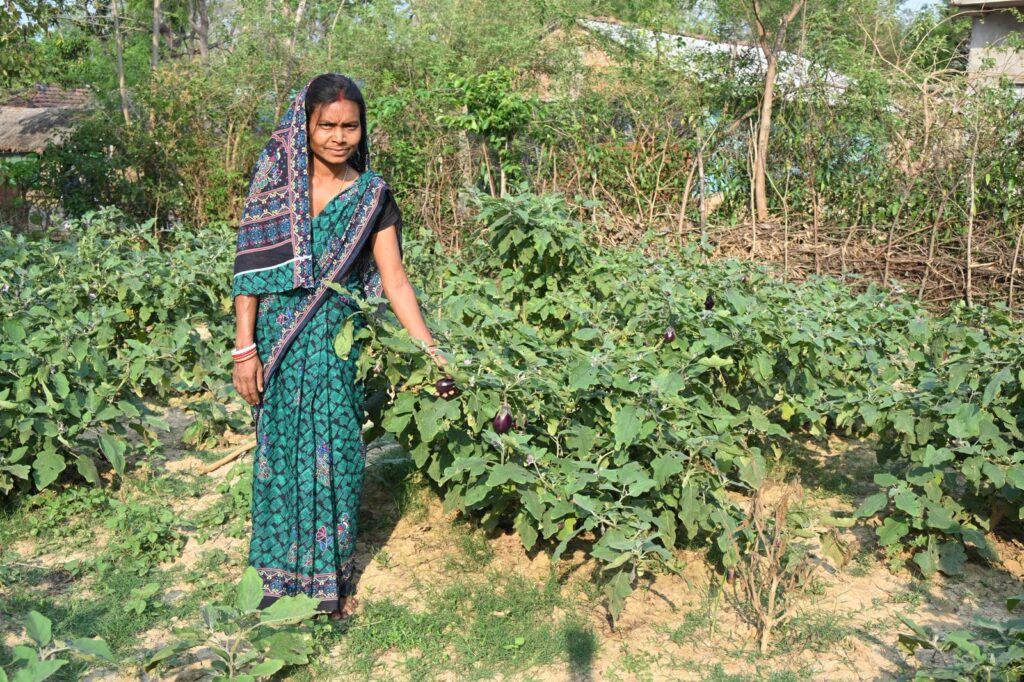
Mina Rani Naik in her farm in Budhikhamari Village.
“When others saw, they also wanted to try,” Mina said.
This is how resilience takes shape—not through a single intervention, but through a slow, social process of learning, sharing, and adapting.
Resilience is work—often invisible, always constant
But resilience is not romantic. It is labour.
Preparing organic inputs takes time—collecting materials, mixing, storing. Managing water scarcity means walking longer distances. Balancing farming with household responsibilities leaves little room for rest.
And yet, women persist. Not because the path is easy, but because the alternatives are fewer.
“We cannot depend on the old ways anymore,” one participant reflected. “We have to find new ways.”
In this persistence lies a quiet strength—one that rarely makes it into policy conversations, but defines survival on the ground.
A different kind of leadership
In Mayurbhanj, leadership does not announce itself. It does not always come with titles or recognition.
It looks like Mamata choosing to sow again after failure. It looks like Minarani gathering others to try something new. It looks like Brundabati shifting to practices that cost less, risk less.
It looks like women holding steady—through uncertainty, through loss, through change.
They are not waiting for climate resilience to be delivered.
They are building it—step by step, season by season
Back in Udali, Sabitri now experiments cautiously. A portion of her field is under organic inputs. She discusses what she learns with other women. She watches closely—what works, what doesn’t.
The rains are still unpredictable. Water is still scarce. Work is still hard. But something has shifted.
“Earlier, we just followed,” she says. “Now we are trying to understand.”
It is a small sentence. But it carries the weight of transformation. Because resilience, in places like Mayurbhanj, does not arrive as a solution.
It grows—slowly, collectively, and often invisibly—in the hands of women who refuse to stop adapting.
And in that quiet persistence lies its strongest foundation.
*** Ranjana Das is a Humphrey Hubert Fulbright Fellow. The article is based on a Project “Empowering Rural Women Groups in Climate Resilient Farming Practices” in Mayurbhanj district of Odisha. The views expressed are personal and do not necessarily reflect those of IndiaVerve.
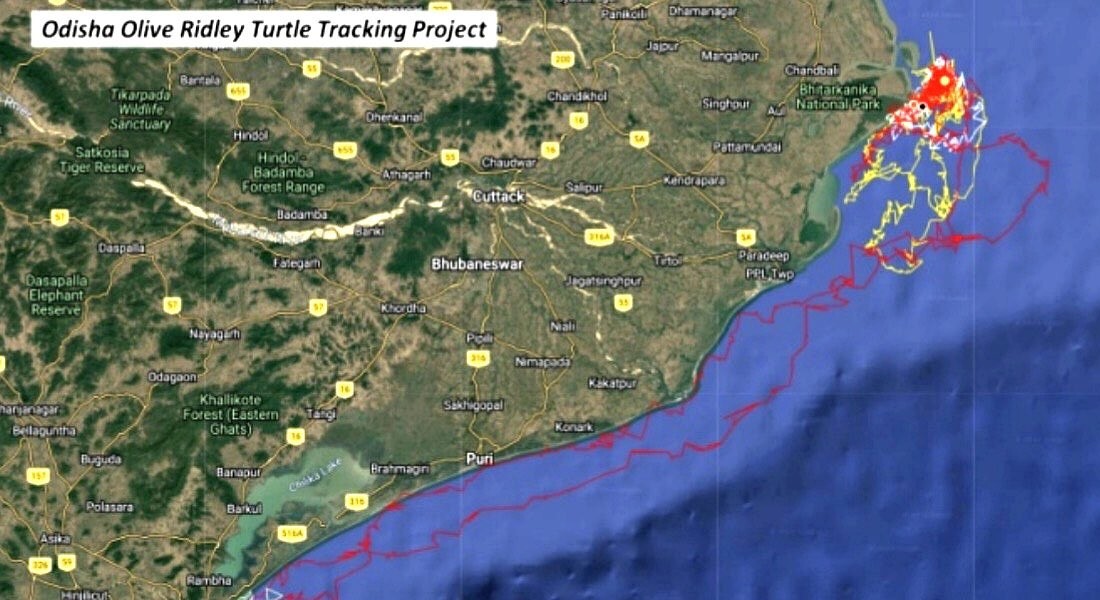
Bhubaneswar: In a major step towards strengthening marine conservation along the Odisha coast, the Odisha Forest Department, in collaboration with the Wildlife Institute of India, has successfully carried out satellite tagging of Olive Ridley turtles.
The scientific initiative is expected to generate crucial data on the movement, migration patterns, and habitat use of the threatened species, the PCCF (Wildlife) & Chief Wildlife Warden said in a post on X.
Officials said the insights will help design more effective conservation strategies and improve protection measures along Odisha’s coastline, which is one of the largest nesting grounds for Olive Ridley turtles.
The tracking exercise will also aid in monitoring the turtles during their long migratory journeys across the ocean, ensuring better coordination among conservation agencies and timely intervention when required.
In a related development, authorities have reported a significant breakthrough in wildlife protection enforcement. The Court of the Chief Judicial Magistrate in Baripada has convicted 11 individuals involved in the poaching of a tusker in the Similipal South Division.
The court awarded four years of imprisonment along with a fine of Rs 25,000 each to the convicted persons. Officials described the verdict as a strong deterrent against wildlife crimes in the region.
With this conviction, enforcement agencies have successfully dismantled three traditional elephant poaching gangs operating in and around the Similipal Tiger Reserve. Forest officials termed it a major achievement in ongoing efforts to safeguard wildlife and curb illegal activities.
Bhubaneswar: Renowned Bollywood actor Madhuri Dixit Nene on Friday highlighted Odisha’s traditional handloom by wearing a Bomkai saree in a social media post that quickly gained attention online.
The actor appeared in a saree from western Odisha, paired with gold jewellery.
In a post on X, she described the weave as a reflection of stories crafted with care and tradition.
The rich weaving traditions of Odisha—timeless, intricate, full of soul ✨ Not just fabrics, but stories woven with love and patience Honoured to represent this beautiful legacy 🤍 pic.twitter.com/chcwUehD39
The post drew widespread appreciation for bringing focus to the state’s rich textile heritage.
Madhuri Dixit Nene was appointed as Odisha’s brand ambassador in August 2025 by Chief Minister Mohan Charan Majhi. The one-year engagement, valued at Rs 1.6 crore, aims to promote Odisha’s handlooms and handicrafts on a wider platform.
The spotlight on Bomkai comes amid continued recognition for Odisha’s GI-tagged textiles, including Sambalpuri ikat, which supports a large community of weavers across the state.
The post received positive reactions from many users, who welcomed the visibility for Odisha’s handloom sector.
Bhubaneswar: Commerce & Transport, Steel & Mines Minister Bibhuti Bhusan Jena on Saturday said the Odisha government remains committed to transforming the state’s railway infrastructure and strengthening connectivity across regions.
In a post on X, the minister stated that efforts are underway to upgrade the railway network to world-class standards while safeguarding the state’s interests.
He highlighted that more than Rs 93,000 crore is being invested in railway development in Odisha. He added that the annual budget allocation has consistently remained above Rs 10,000 crore over the past three years, marking a 13-fold increase compared to the 2009-14 period.
On the proposed Rayagada division, Jena said the long-pending project will become operational soon. He noted that the high-revenue KK Line, connecting Kottavalasa, Koraput, and Kirandul, will be part of this division, ensuring that the earnings of the East Coast Railway remain unaffected.
Addressing concerns over jurisdictional changes, the minister said no portion of Odisha’s railway track will be transferred to another state. He clarified that the Palasa–Ichchapuram section does not have major freight loading stations and, therefore, will not impact the state’s revenue.
Jena reiterated that protecting Odisha’s interests while expanding and modernising railway connectivity remains a key priority for the government.
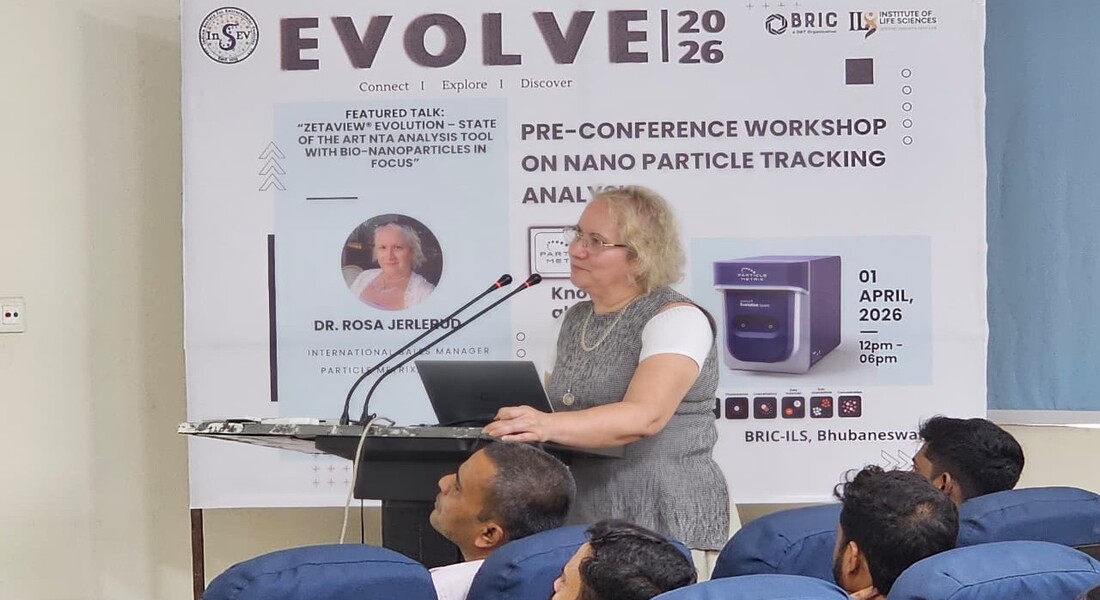
Bhubaneswar: The Institute of Life Sciences (ILS) hosted an international conference from April 2 to 4 in Bhubaneswar, bringing together scientists from India and abroad to examine the role of extracellular vesicles in disease diagnosis and treatment.
Held under the aegis of the Indian Society for Extracellular Vesicles, the conference titled “EVOLVE-2026” saw participation from 180 delegates representing 62 institutions across India. Researchers from countries including France, Germany, Sweden, the UAE, and the USA also attended.
Extracellular vesicles are microscopic, membrane-bound particles released by cells. They play a key role in communication within the body by carrying proteins, lipids, and genetic material between cells, according to an official statement.
The conference focused on the expanding role of extracellular vesicles in both communicable and non-communicable diseases. Researchers discussed their involvement in bacterial and viral infections, as well as conditions such as cancer, neurological disorders, including Parkinson’s disease, and pulmonary fibrosis.
A major area of discussion was the use of extracellular vesicles in advanced therapies. Scientists highlighted their potential as drug delivery systems and their application in tissue regeneration. Particular attention was given to their role in bone repair, especially in cases linked to osteoporosis and bone cancers.
The event also highlighted the growing interest among start-ups in this field. Several Indian start-ups working on therapeutic and diagnostic applications of extracellular vesicles participated. Start-ups from Odisha involved in developing research reagents were also represented.
One such initiative, PolyOrbit, founded by ILS scientist Dr Mamoni Dash, is working on the use of extracellular vesicles and biomaterials for bone repair.
Dr Debasis Dash, Director, ILS, and Prof Sujata Mohanty, President of InSEV, stated that the conference is expected to support the growth of such emerging start-ups and strengthen research collaboration in this domain.
The Indian Society for Extracellular Vesicles provides a platform for researchers, clinicians, and industry experts to collaborate and exchange ideas. As an affiliate of the International Society for Extracellular Vesicles through the Global EV Network, it contributes to advancing India’s presence in this specialised area of research.