New Delhi: The United States-Israel war on Iran entered its second week with intensified bombardments across Iranian cities, rising casualties and growing regional spillover, as several countries in the Middle East reported intercepting missiles and drones linked to the conflict.
Heavy air strikes continued overnight in Tehran and other Iranian cities as the conflict reached its 11th day. Iranian media reported that a US-Israeli air strike on a residential building in Arak in western Iran killed five people and injured several others. Separate strikes on residential areas in eastern Tehran earlier in the war reportedly killed dozens, while attacks on oil facilities had blanketed parts of the capital in thick smoke.
Iran has said that more than 1,255 people have so far been killed and around 10,000 injured since the conflict began following joint US-Israeli strikes on February 28. Iranian officials have vowed to continue resisting the attacks. Foreign Minister Abbas Araghchi said Tehran would continue fighting “as long as necessary” and added in a separate interview with PBS that negotiations with the United States were no longer on the agenda following what he described as a “bitter experience”.
Despite the ongoing bombardment, large crowds gathered in Tehran to show support for the country’s new Supreme Leader Mojtaba Khamenei, who succeeded his father Ayatollah Ali Khamenei after he was killed in earlier strikes during the conflict, Al Jazeera reported.
The fighting has increasingly spread beyond Iran and Israel, with several Gulf countries reporting incoming Iranian missiles and drones. Saudi Arabia, the United Arab Emirates, Kuwait and Bahrain said their air defence systems had intercepted aerial threats in recent days.
In Bahrain’s capital Manama, a residential building was hit, killing a 29-year-old woman and injuring eight others, according to the country’s interior ministry. Saudi authorities said a drone was intercepted east of al-Kharj governorate while another fell on a residential area in Az Zulfi city, causing limited damage but no injuries. Kuwait also reported intercepting six drones.
According to Iran’s Tasnim news agency, the Islamic Revolution Guards Corps (IRGC) claimed to have destroyed the Israeli regime’s Ha’ela satellite communication center, located south of Tel Aviv. Iran also said it had launched attacks targeting Israeli infrastructure, including a drone strike on an oil and gas refinery and fuel storage facilities in the northern Israeli city of Haifa. Israeli authorities, meanwhile, said missile launches from Iran had been detected and that air defence systems were working to intercept them. Emergency workers in Israel said one man died from shrapnel wounds near Tel Aviv’s international airport, raising the death toll from Iranian attacks to 11.
The conflict has also heightened tensions across neighbouring regions. Israeli operations along the Lebanon border have continued amid exchanges of fire with Hezbollah, while the reported death toll from Israeli attacks in Lebanon has crossed 486 with hundreds of thousands displaced.
In Iraq, Prime Minister Mohammed Shia al-Sudani told US Secretary of State Marco Rubio that Iraqi territory and airspace would not be used for military operations targeting neighbouring countries. Meanwhile, Iran’s Revolutionary Guards said they had struck a US military installation at the Harir Air Base in Iraq’s Kurdistan region.
The war has also raised security concerns in Turkiye after NATO air defence systems reportedly intercepted a ballistic missile in Turkish airspace during the hostilities. Turkish Foreign Minister Hakan Fidan later warned Iran against any violations of Turkish airspace.
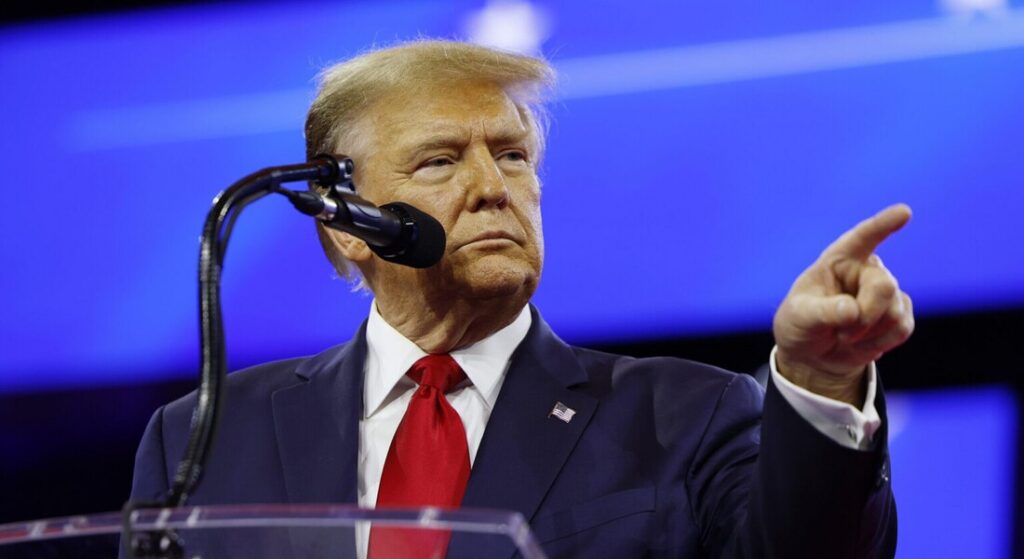
US President Donald Trump said Washington’s military campaign had struck thousands of Iranian targets and significantly degraded Tehran’s military capabilities, including missile launchers and drone infrastructure. While saying the conflict could end “pretty quickly”, he also stated that the United States was seeking what he called “ultimate victory”.
The conflict has also rattled global energy markets, with attacks on oil facilities and threats to shipping through the Strait of Hormuz raising concerns over global oil supplies and pushing energy prices higher.