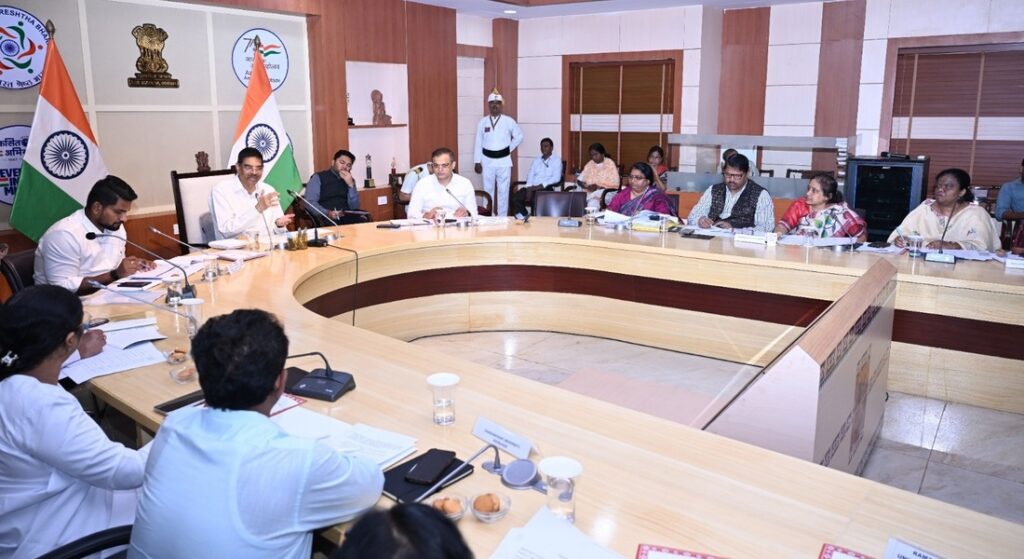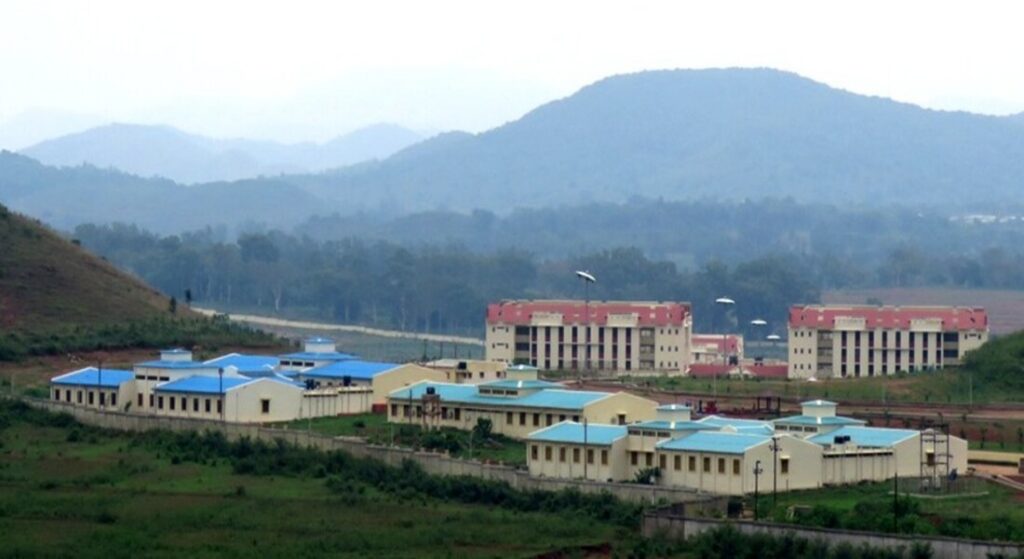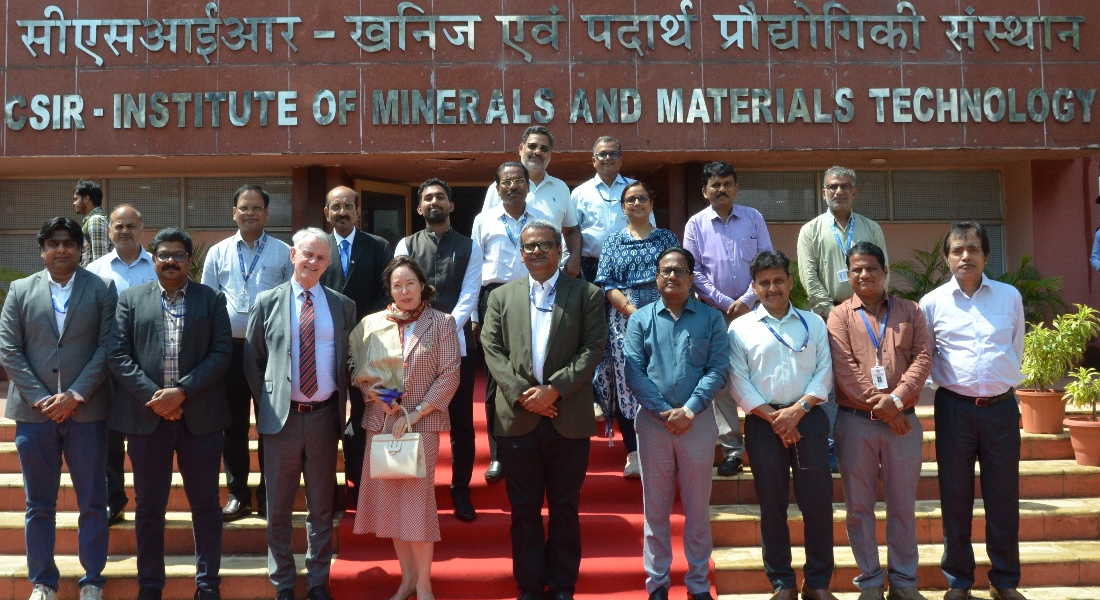

Bhubaneswar: Canadian High Commissioner to India Chris Cooter visited the CSIR-Institute of Minerals and Materials Technology (CSIR-IMMT) in Bhubaneswar to explore avenues for bilateral scientific and technological cooperation, with a particular focus on critical minerals, sustainable resource processing, and advanced metallurgical technologies.
The Canadian delegation included Karen Joan Blumenschein, spouse of the High Commissioner; Arjun Kumar Dutta, Trade Commissioner from the High Commission of Canada; and Rohit Shukla, Political, Economic, and Public Affairs Officer. They were received by CSIR-IMMT Director Dr. Ramanuj Narayan, along with senior scientists and researchers from the institute, according to an official statement.
During the interaction, Dr. Narayan outlined the institute’s expanding international engagement, highlighting the Joint Declaration of Intent signed with the University of Saskatchewan for collaborative research and academic exchange. Dr. Kali Sanjay, Head of the Centre of Excellence on Critical Minerals established at CSIR-IMMT by the Ministry of Mines, presented the centre’s ongoing work in research, technology development, and human resource capacity building in the critical minerals domain.
The visit comes at a time when India and Canada are increasingly emerging as strategic partners in the critical minerals sector, driven by surging global demand for minerals essential to clean energy technologies, electric mobility, advanced manufacturing, and strategic industries.
Canada brings to the partnership significant mineral reserves and advanced mining expertise, while India contributes growing capabilities in mineral processing, downstream technologies, and manufacturing. Deeper bilateral collaboration is expected to support resilient and diversified critical mineral supply chains, foster technological innovation, and contribute to the global energy transition.
As part of the visit, the Canadian delegation toured several advanced research facilities at CSIR-IMMT, including the Platinum Group Elements pilot plant, a recycling pilot plant, a seabed minerals pilot plant, and a molten salt electrolysis pilot facility. Discussions during the visit covered potential joint research programmes, capacity building initiatives, technical training, and technology transfer opportunities.
The delegation concluded their visit with a tree plantation drive on the CSIR-IMMT campus, reflecting both countries’ shared commitment to sustainable development and long-term scientific partnership.