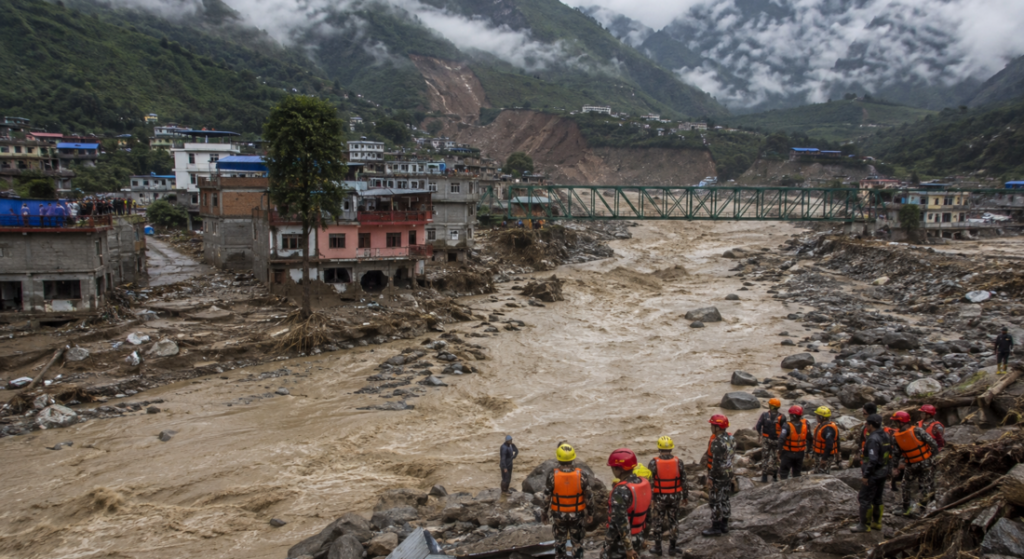

Bhubaneswar: Odisha Chief Minister Mohan Charan Majhi has announced a Rs 1,000 crore special package for flood-affected areas of the state, directing authorities to intensify relief, rescue and restoration operations following heavy rainfall triggered by a low-pressure system over the Bay of Bengal.
The Chief Minister announced a 10-point package aimed at providing immediate assistance to affected families, farmers, fishermen, artisans and others who have suffered losses due to the floods.
ବଙ୍ଗୋପସାଗରରେ ସୃଷ୍ଟ ଲଘୁଚାପ ଜନିତ ବର୍ଷା ଯୋଗୁଁ ରାଜ୍ୟର ବିଭିନ୍ନ ଜିଲ୍ଲାରେ ସୃଷ୍ଟି ହୋଇଥିବା ବନ୍ୟା ପରିସ୍ଥିତିକୁ ଦୃଷ୍ଟିରେ ରଖି ମାନ୍ୟବର ମୁଖ୍ୟମନ୍ତ୍ରୀ ଶ୍ରୀ ମୋହନ ଚରଣ ମାଝୀ ପ୍ରଭାବିତ ଅଞ୍ଚଳଗୁଡ଼ିକରେ ରିଲିଫ୍, ଉଦ୍ଧାର ଓ ପୁନରୁଦ୍ଧାର କାର୍ଯ୍ୟକୁ ବ୍ୟାପକ କରିବାକୁ ନିର୍ଦ୍ଦେଶ ଦେଇଛନ୍ତି। ବନ୍ୟାଞ୍ଚଳର ସ୍ଥିତି ସମୀକ୍ଷା କରିବା… pic.twitter.com/tGttk3j0fb
— CMO Odisha (@CMO_Odisha) August 18, 2026
A major component of the package focuses on farmers whose crops have suffered significant damage. Small and marginal farmers reporting crop losses of 33 per cent or more will receive agricultural input subsidies of Rs 8,500 per hectare for rainfed areas, Rs 17,000 per hectare for irrigated land and Rs 22,500 per hectare for perennial crops.
The state government will also provide special financial assistance through Direct Benefit Transfer for the purchase of paddy and non-paddy seeds. Flood-affected farmers will be given free vegetable minikits, while a 75 per cent subsidy will be provided for post-flood pest and disease management.
The government has also announced plans for the urgent restoration and repair of damaged irrigation projects.
Assistance will be extended to those who have suffered losses of livestock. Fishermen and farmers will also receive support for the restoration of damaged boats, fishing nets and ponds.
Farmers willing to restructure their short-term Kharif agricultural loans will be allowed to convert them into medium-term loans under the announced measures.
The package also covers artisans and weavers affected by the floods. Financial assistance of Rs 5,000 will be provided for damage to equipment and machinery in the handicrafts and handloom sectors. An additional Rs 5,000 will be offered to compensate for losses of raw materials or finished products.
The state government will undertake temporary repairs of damaged roads and other infrastructure, while permanent reconstruction will be taken up after a detailed assessment of the damage.
Relief operations will continue in affected areas until normalcy is restored. The government said cooked and dry food, along with relief rice, would continue to be distributed among affected communities.
Families affected by the floods will also receive financial assistance for purchasing essential clothing and household utensils.
The Chief Minister said restoring normal life in flood-hit areas and ensuring comprehensive assistance to affected people remained the state government’s highest priority. He added that the assistance package could be expanded further, depending on the final assessment of the damage and emerging requirements.
The state government is also strengthening healthcare services in flood-affected areas by organising health camps at relief shelters and other affected locations. Essential medicines, treatment and health check-ups are being made available, while special attention is being given to vulnerable groups, including pregnant women, children, elderly persons and those who are ill. Measures are also being taken to ensure safe drinking water, sanitation and the prevention of water-borne diseases.
Safe drinking water supply has been given high priority in the flood-hit areas. According to the Chief Minister’s Office, as of 5 pm on August 17, water sources at 1,461 flood-affected tube wells and 89 piped water supply projects had been disinfected. Water quality is being regularly monitored, while 27 water tankers, 69 Sintex tank vehicles and six mobile treatment units have been deployed to maintain supply. In areas facing power disruptions, DG sets are being used to keep piped water supply projects operational, with the situation being continuously monitored through control rooms.