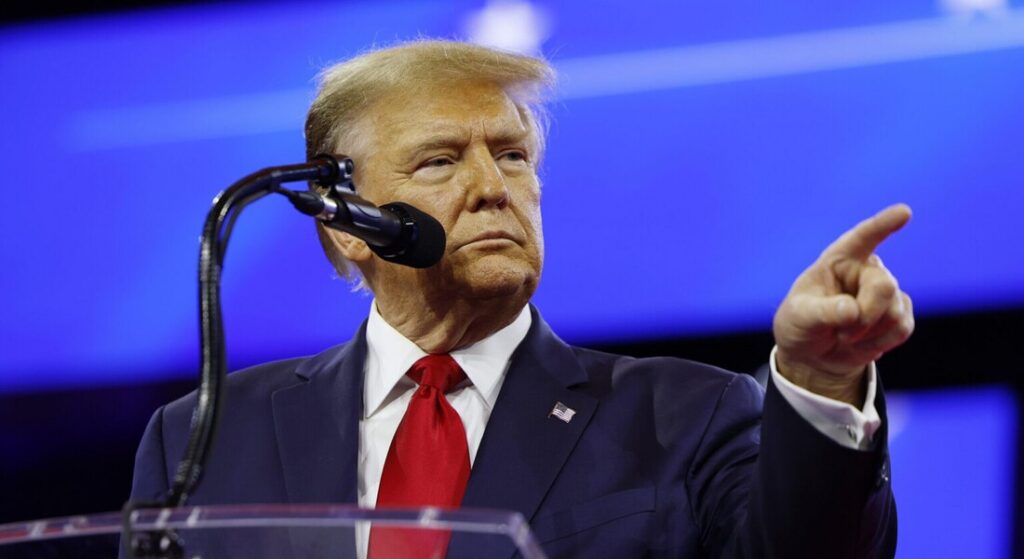
US President Donald Trump has said that Venezuela’s interim leadership will transfer between 30 and 50 million barrels of crude oil to the United States, declaring that the proceeds from the sales will be handled directly by his administration “to benefit the people of both countries.”
In a social media post on January 6, Trump said the oil would be sold at prevailing global prices and claimed the US would oversee how the revenue is used following last week’s dramatic American military operation in Caracas that led to the detention of Venezuelan President Nicolás Maduro. Maduro was later flown to New York to face federal drug-trafficking charges and has pleaded not guilty in court.
🚨BIG NEWS FROM PRESIDENT DONALD J. TRUMP pic.twitter.com/1NtqT9iXSf
— Karoline Leavitt (@PressSec) January 6, 2026
“We built Venezuela oil industry with American talent, drive and skill,” Trump was quoted as saying by the USAToday.com. “And the socialist regime stole it from us during those previous administrations, and they stole it through force. This constituted one of the largest thefts of American property in the history of our country.”
Since the raid, former vice president Delcy Rodríguez has been sworn in as interim president in Caracas, while Washington has stepped up engagement with the new administration. Trump has repeatedly highlighted Venezuela’s vast energy reserves — the largest proven oil resources in the world — and has framed the planned oil transfer as part of broader efforts to stabilise the country and reshape bilateral ties.
The president also said the crude would be transported by sea directly to US ports, adding that Energy Secretary Chris Wright is coordinating discussions with oil industry executives on logistics and storage. Only one major American oil company — Chevron — continues to operate in Venezuela after years of political turmoil, sanctions and state control weakened the sector.
Trump has previously argued that Venezuela’s oil assets were effectively seized from American companies under earlier governments in Caracas, a characterisation disputed by some international energy experts. Even so, the oil-for-revenue plan marks one of the most significant interventions by Washington in Venezuela’s economy in recent years and comes amid heightened geopolitical tensions following Maduro’s arrest.