At IndiaVerve, we go beyond the noise to bring you meaningful stories of change, resilience and progress—from India to the world stage. Our mission is to bring readers credible, wide-ranging coverage across politics, business, sports, culture, society and more.

Governor urges trainee officers to focus on welfare schemes’ implementation

Bhubaneswar: Odisha Governor Dr. Hari Babu Kambhampati on Tuesday advised trainee officers of the Odisha Finance Service (OFS) and Odisha Taxation and Accounts Service (OT&AS) to gain a clear understanding of Central and State welfare schemes to ensure their effective implementation and delivery to beneficiaries.

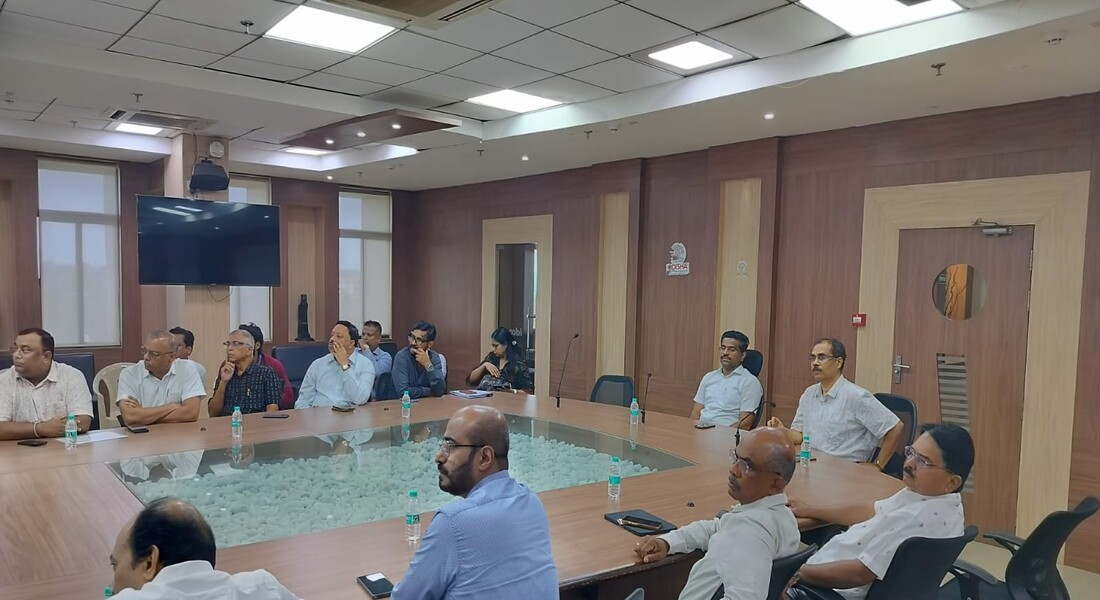
Addressing probationary officers of the 2023 batch during an interaction programme held at the New Abhishek Hall of Lok Bhavan, the Governor emphasised that civil servants must understand both policy objectives and ground realities for efficient governance. The programme was organised by the Madhusudan Das Regional Academy of Financial Management (MDRAFM).

The Governor highlighted the importance of ensuring that government schemes reach intended beneficiaries in an efficient and transparent manner. He urged officers to closely study flagship welfare initiatives and strengthen their knowledge to improve public service delivery.

Referring to broader economic challenges, Dr. Kambhampati stressed the need to address pressures arising from India’s dependence on energy imports and the impact of geopolitical tensions on foreign exchange reserves. He pointed out that the country spends significant foreign exchange on crude oil imports, particularly from West Asia, and said small behavioural changes could help reduce economic pressure.

He encouraged a gradual shift towards electric vehicles to reduce dependence on petrol and diesel, noting that electric vehicles have already been part of the Governor’s official convoy for over a year. The Governor also underlined the importance of integrating clean energy solutions, including rooftop solar systems under the Prime Minister Surya Ghar Yojana, to support electric mobility.

Calling for financial prudence, the Governor advised moderation in discretionary spending habits, including reducing non-essential foreign travel and postponing gold purchases for some time to ease pressure on foreign exchange reserves. He also referred to reducing cooking oil consumption as part of broader efforts toward economic sustainability.

Dr. Kambhampati further urged the trainee officers to study key welfare schemes such as the Prime Minister Suraksha Bima Yojana (PMSBY), Prime Minister Jeevan Jyoti Bima Yojana (PMJJBY), Chief Minister Krushi Udyog Yojana and Chief Minister Kamadhenu Yojana in detail. He stressed the importance of enrolling eligible beneficiaries under social security schemes to improve public welfare outcomes.

During the programme, the Governor interacted personally with the trainee officers. MDRAFM Director Santosh Kumar Suar briefed him on the training programme being conducted for the probationers


Four Odisha students represent India at Japan’s Sakura Science Programme

Bhubaneswar: Four meritorious students from Odisha have brought pride to the state by representing India at the prestigious ‘Sakura Science High School Programme (SSHP) 2026’ organised by the Japan Science and Technology Agency (JST).

The students recently returned after successfully completing a 10-day educational visit to Japan from May 21 to May 31, during which they participated in academic and cultural exchange activities and gained exposure to advanced scientific learning.

The four students selected from Odisha for the programme are Bishnu Prasad Jena from BJB Junior Science College, Bhubaneswar; Shubham Nayak from Government High School, Koraput; Shraddhanjali Pattnaik from Odisha Adarsha Vidyalaya, Telkoi in Keonjhar district; and Adyasha Panda from Odisha Adarsha Vidyalaya, Rengali in Sambalpur district.

During their visit, the students travelled to renowned Japanese cities including Tsukuba and Asakusa and actively participated in educational and cultural exchange programmes organised at the Shibaura Institute of Technology and Kashiwa Junior and Senior High School.

The programme offered the students a rare opportunity to visit leading universities and prominent research institutions in Japan. They also attended lectures by Nobel laureates and distinguished professors, gaining first-hand exposure to Japan’s scientific advancements, innovation ecosystem and cultural heritage.

The Sakura Science High School Programme is a specialised international initiative under which talented high school students from Asian countries are invited to Japan for short-term academic exposure in science and technology. From India, eligible students aged above 15 years studying in Classes 10, 11 and 12 are selected to participate in the programme.

The School and Mass Education Department described the achievement as a matter of pride for Odisha, stating that the success of the four students would inspire young learners and aspiring scientists across the state. The department also extended its congratulations and wished them success in their future academic pursuits.

Odisha earns national recognition for solar energy achievements

Bhubaneswar: Odisha has received national recognition for its performance in promoting solar energy, securing top honours under the PM Surya Ghar Excellence Awards following its achievements during the ‘Month of Solar’ campaign held in May 2026.

In a post on X, Chief Minister Mohan Charan Majhi said the state had emerged as a model for the country in the use of solar energy and sustainable development.

He noted that Odisha’s performance in the campaign had earned national-level recognition.

According to the CM, Odisha secured first place among states with a medium-sized consumer base in three categories: the highest number of consumer applications, the highest number of solar installations, and the highest number of DISCOM inspections.

The state also secured third place in the Maximum Vendor Registrations category.

Majhi said the achievement reflected the government’s long-term vision, effective coordination among departments, and the collective efforts of officials working at different levels. He congratulated all departments, officers, and stakeholders associated with the campaign.

He further said Odisha remained committed to environmentally sustainable growth through renewable energy and added that the recognition would help strengthen the state’s energy sector while supporting the goal of building a self-reliant Odisha.

Deputy Chief Minister Kanak Vardhan Singh Deo also welcomed the achievement, stating that Odisha’s progress in harnessing solar power had emerged as an example of sustainable development.

He said the state’s performance in the Month of Solar campaign had earned it national recognition through the PM Surya Ghar Excellence Awards.

Singh Deo said Odisha’s success reflected the leadership of Prime Minister Narendra Modi, the guidance of Majhi, and the efforts of government departments, officials, and stakeholders involved in the initiative.

He added that the state would continue to advance renewable energy adoption to support sustainable development and long-term growth.

DRDO, IAF successfully test Rudram-II air-to-surface missile

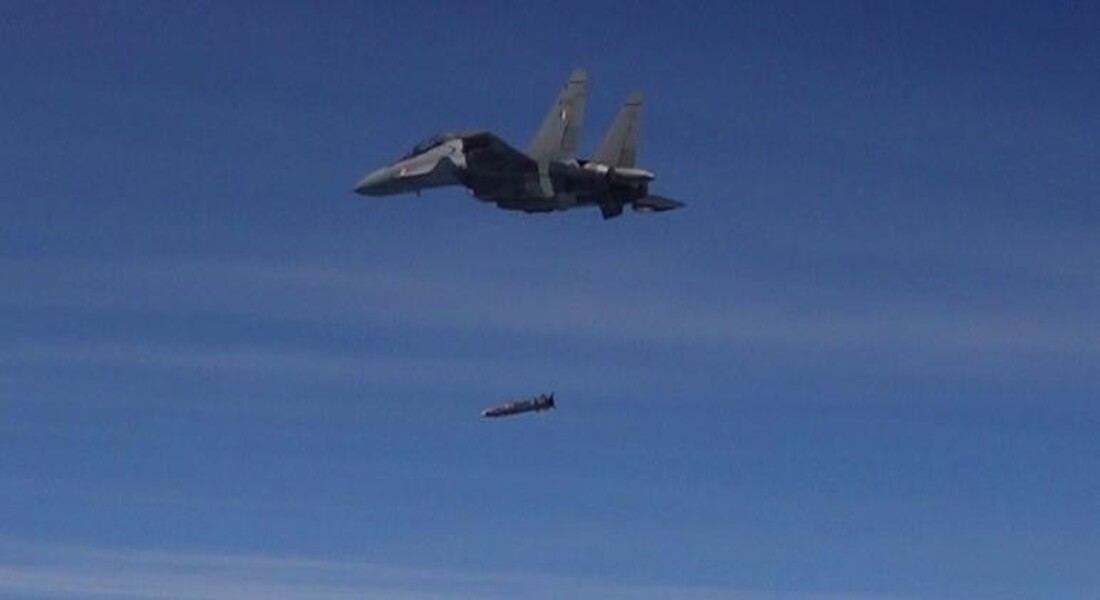
New Delhi: The Defence Research and Development Organisation (DRDO) and the Indian Air Force (IAF) have successfully carried out flight tests of the indigenous RudraM-II air-to-surface missile from an airborne platform.

The tests were conducted under extreme release conditions and validated the performance of critical subsystems. According to officials, the missile successfully followed its planned trajectory and engaged a predefined target with pinpoint accuracy.

The test objectives were fully achieved, with flight data recorded and verified through range instruments deployed by the Integrated Test Range (ITR) at Chandipur, Odisha, according to an official statement.

RudraM-II has been developed by the Research Centre Imarat, Hyderabad, the nodal DRDO laboratory for the programme. The project was executed in collaboration with several DRDO laboratories, including the Defence Research and Development Laboratory, High Energy Materials Research Laboratory, Armament Research and Development Establishment, and ITR.

Development-cum-Production Partners and agencies such as Hindustan Aeronautics Limited, the Regional Centre for Military Airworthiness, the Missile System Quality Assurance Agency, and other industry partners also contributed to the programme.

Defence Minister Rajnath Singh congratulated DRDO, the IAF, defence public sector undertakings, industry partners, and other stakeholders on the successful tests. He said the achievement reflected the growing maturity of indigenous defence technologies and would contribute to the country’s efforts towards self-reliance in advanced weapon systems.

Secretary, Department of Defence R&D and DRDO chairman also congratulated the teams associated with the programme and described the successful tests as a significant achievement.

WMO warns of high probability of El Niño developing in 2026

New Delhi: The World Meteorological Organization (WMO) has warned that an El Niño event is likely to develop in the coming months, with an 80% probability during June-August 2026.

According to the latest WMO El Niño/La Niña Update, the likelihood of El Niño conditions continuing until at least November 2026 is near or above 90%. While some uncertainty remains regarding the timing and peak intensity, most forecast models indicate that the event is likely to be moderate or stronger.

In a press release, the WMO said its El Niño/La Niña Updates are based on a consensus of forecasts from global climate prediction centres, National Meteorological and Hydrological Services, and WMO Global Producing Centres. The reports are prepared jointly with the International Research Institute for Climate and Society.

UN Secretary-General António Guterres warned that El Niño was approaching with a high degree of certainty and said its effects could intensify the impacts of global warming. He stressed the need for stronger climate action, faster adoption of renewable energy, protection for vulnerable communities, and wider access to early warning systems.

According to WMO observations, sea-surface temperatures in the central-eastern Equatorial Pacific approached El Niño thresholds between late April and mid-May.

The organisation said unusually warm subsurface conditions across the tropical Pacific were contributing to the warming trend. Temperatures in some areas were more than 6 degrees Celsius above average, providing a significant reservoir of heat beneath the surface.

The Southern Oscillation Index, an important atmospheric indicator linked to El Niño, has also shown patterns consistent with the development of the climate phenomenon.

WMO Secretary-General Celeste Saulo said authorities needed to prepare for a potentially strong El Niño event that could increase the risk of drought, heavy rainfall, and heatwaves on land and in the ocean. She noted that the 2023-24 El Niño was among the five strongest on record and contributed to the record global temperatures observed in 2024.

Saulo added that the WMO community would continue monitoring conditions to support decision-making by governments, humanitarian agencies, and climate-sensitive sectors. She also highlighted the importance of seasonal forecasts and early warning systems in reducing risks to lives, economies, and communities.

Alongside the update, WMO has issued a Global Seasonal Climate Update that incorporates other climate drivers to provide more detailed regional forecasts.

India sends 43-ton medical aid to Africa to support Ebola response

New Delhi: India has extended urgent medical assistance to the Africa Centres for Disease Control and Prevention (Africa CDC) to support ongoing Ebola response efforts in parts of Africa.

The assistance was provided following a request from the African Union Commission, the Ministry of External Affairs said in a press release.

According to the statement, India’s support has been tailored to meet the requirements of the Africa CDC for containing the outbreak and strengthening public health preparedness and regional response capacities.

As part of an immediate response, India dispatched the first tranche of around 2.5 tonnes of medical supplies on May 24 to Kampala, Uganda. The shipment included protective gear, medical monitoring equipment, essential medicines, and supplements.

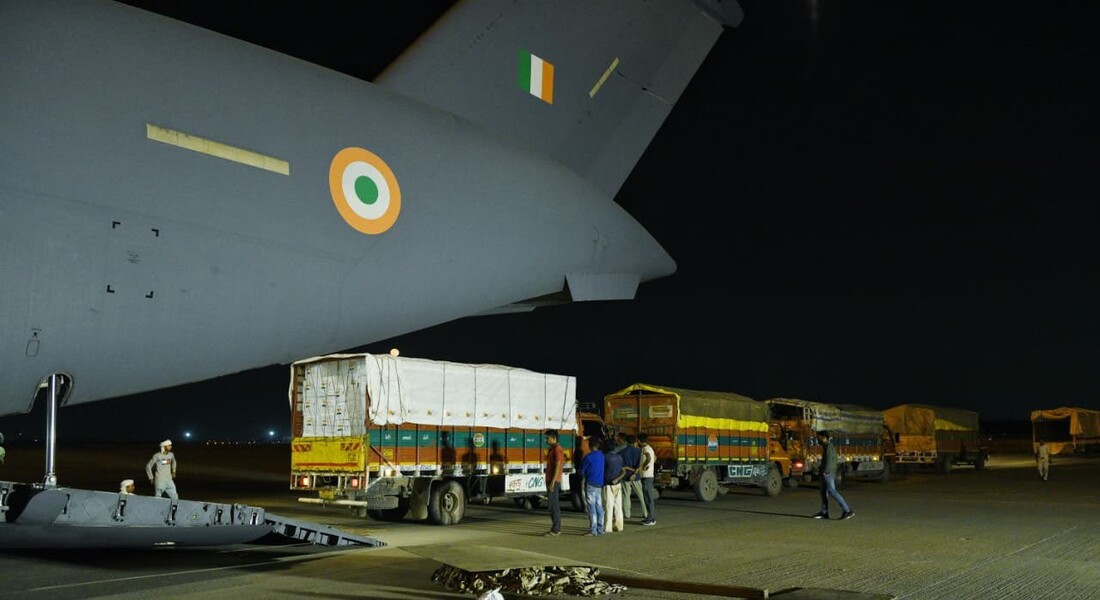
After receiving a detailed requirement list from Africa CDC, the Ministry of External Affairs has now mobilised a second, larger consignment of 43 tonnes of medical supplies. The shipment includes protective gear, diagnostic and monitoring devices, sample transport kits, infection prevention materials, medicines, and supplements.

The second tranche is scheduled to reach Kampala on June 2 where it will be handed over to Africa CDC.

The ministry said India’s assistance reflects its commitment to partnership with African countries in addressing public health challenges and strengthening emergency response systems.

India’s Missions in Addis Ababa and Kampala are also coordinating closely with the African Union Commission and Africa CDC to support ongoing Ebola response efforts.

External Affairs Minister Dr. S. Jaishankar expressed confidence that the 43-tonne consignment will further strengthen public health preparedness and enhance Ebola response capacities across the African Union

Zeenat’s four cubs boost Similipal tiger conservation

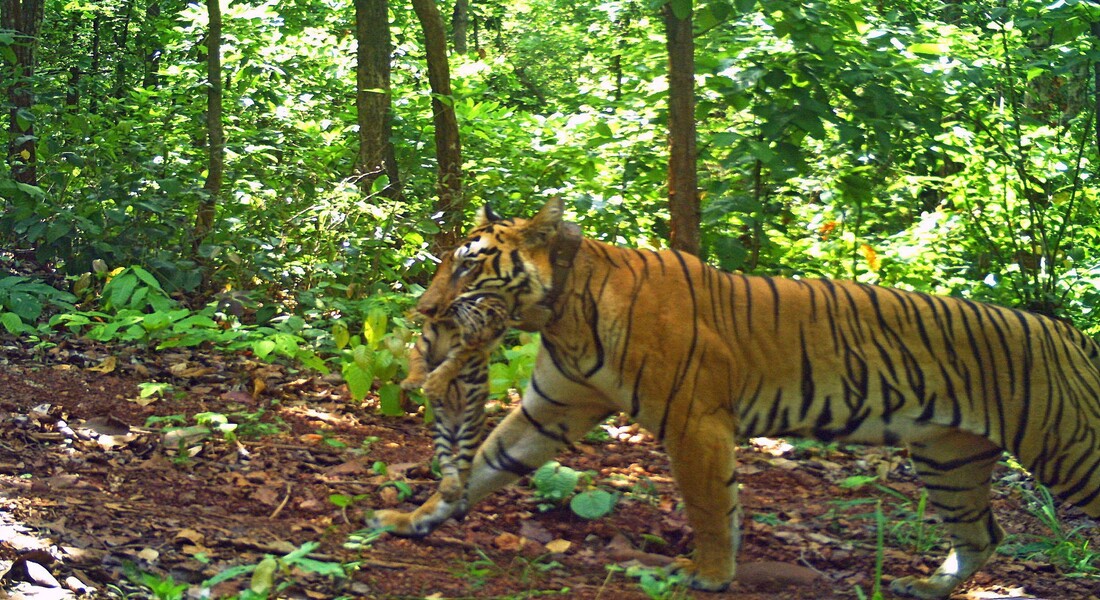
Bhubaneswar: Odisha has recorded a significant milestone in wildlife conservation as tigress Zeenat, translocated from Maharashtra’s Tadoba-Andhari Tiger Reserve, has given birth to four cubs in Similipal Tiger Reserve.

The development has been described as a landmark success for the state’s conservation efforts, strengthening both the tiger population and genetic diversity in the protected landscape.

Zeenat, a Royal Bengal tigress relocated in late 2024, delivered the healthy cubs around May 28 in the core area of Similipal. Officials said the birth represents the first successful outcome of interstate tiger translocation in the reserve.

The move is seen as a scientific intervention to address genetic isolation in Similipal’s tiger population, which is estimated at around 30 to 40 animals. The introduction of new genetic lines is aimed at reducing inbreeding risks and improving long-term population viability.

Officials also referred to earlier concerns involving tigress movements, including Zeenat’s long-distance dispersal into West Bengal, highlighting the challenges involved in managing translocated big cats.

In a post on X, Chief Minister Mohan Charan Majhi hailed the development as a significant achievement in Odisha’s wildlife conservation journey. He said the event reflects the state’s commitment to protecting biodiversity and creating a safe and stable habitat for wildlife.

The CM further said Odisha remains committed to further strengthening conservation measures in Similipal and maintaining the ecological balance of the reserve in the coming years.

Forest department officials have intensified monitoring measures to ensure the safety of the tigress and her cubs. Dedicated teams are tracking their movement within the reserve, along with strict protection protocols.

The success is also being viewed as evidence of science-led conservation practices and coordinated efforts between field staff and wildlife authorities.

Officials said the development strengthens Similipal’s ecological stability and improves the genetic health of its tiger population.

India’s overall tiger population, which has grown to over 3,600 since 2014, has also been cited as part of the broader conservation backdrop to the success.

BHAVYA scheme rollout reviewed to boost plug-and-play industrial parks

Bhubaneswar: A high-level review meeting on the implementation of the Bharat Audyogik Vikas Yojana (BHAVYA) scheme was held on Tuesday under the chairpersonship of the managing director of Odisha Industrial Infrastructure Development Corporation (IDCO), with participation from the chief general manager of MSME and senior officials.

The meeting focused on developing world-class plug-and-play industrial infrastructure under the BHAVYA scheme, which is aimed at creating investment-ready industrial parks to strengthen India’s manufacturing ecosystem, IDCO said in a post on X.

Officials discussed key issues, including land availability, infrastructure planning, execution strategies, and coordination among departments and stakeholders.

The deliberations centred on faster project implementation and improving readiness for industrial investment through modern infrastructure support systems.

The scheme is aligned with broader national initiatives such as Make in India and PM Gati Shakti, with an emphasis on improving industrial capacity and easing business setup processes.

Officials also stressed the need for better coordination to ensure the timely development of proposed industrial parks and the effective utilisation of available resources.

Trump-Netanyahu tensions surface as Lebanon conflict threatens Iran talks

Trump-Netanyahu tensions intensify as Iran warns that continued Israeli attacks in Lebanon could derail fragile diplomatic efforts and widen regional instability.

US President Donald Trump and Israeli Prime Minister Benjamin Netanyahu reportedly held a tense phone conversation amid escalating tensions in Lebanon, as Washington pushes to preserve delicate negotiations with Iran over regional security and nuclear concerns.

The friction emerged after Israel threatened a wider military campaign in Lebanon, including possible strikes on Beirut’s southern suburbs, prompting strong warnings from Tehran and fears that ongoing diplomacy between Washington and Iran could collapse. According to Axios, Trump sharply criticised Netanyahu during the call, accusing him of escalating the conflict in a way that could derail broader regional negotiations and worsen Israel’s global standing.

The report, citing sources familiar with the exchange, claimed Trump expressed frustration over Israel’s military actions in Lebanon and pressed Netanyahu to halt plans for attacks on Beirut. Axios reported that Trump believed Israel had a right to defend itself against Hezbollah rocket fire but viewed the scale of the response as disproportionate, particularly due to mounting civilian casualties.

Following the conversation, Trump struck a more conciliatory tone publicly, describing the exchange as “productive” in a post on Truth Social. He claimed Israel and Hezbollah had agreed to stop attacks on one another and asserted that Israeli forces would not advance toward Beirut. Trump also said ongoing negotiations with Iran were continuing “at a rapid pace.”

However, Netanyahu appeared to distance himself from suggestions of a ceasefire. In a statement issued after the call, the Israeli Prime Minister said military operations in southern Lebanon would continue “as planned” and warned that Israel would strike targets in Beirut if Hezbollah attacks persisted. Reports later indicated that Israeli strikes in parts of southern Lebanon continued despite diplomatic efforts.

The developments unfolded against a backdrop of heightened diplomatic pressure from Iran. Senior Iranian leaders warned that continued Israeli military operations in Lebanon could jeopardise talks with Washington and trigger wider regional consequences.

Iranian Parliament Speaker and chief negotiator with the US, Mohammad Bagher Ghalibaf, warned that Tehran could suspend dialogue with Washington if Israeli attacks continued. In a statement shared on social media, he said Iran would “stand firmly” against Israel if the conflict expanded in Lebanon.

Ebrahim Azizi, head of Iran’s parliamentary national security committee, also warned of “severe consequences” for both Israel and US forces in the region if military operations in Lebanon were not halted.

Meanwhile, criticism of Israel’s military campaign also surfaced in the United States. Congresswoman Ilhan Omar condemned Israeli actions in Lebanon, alleging that the country was replicating tactics used in Gaza and calling for an immediate halt to US military assistance to Israel.

The latest tensions have added uncertainty to the US-Iran diplomatic process, which reportedly includes discussions around regional ceasefires and maritime security. According to Axios, the proposed memorandum under negotiation between Washington and Tehran envisions a broader de-escalation framework that includes ending hostilities in Lebanon.

The conflict has increasingly drawn in regional actors, raising concerns that renewed fighting could destabilise an already fragile diplomatic landscape in West Asia.

Indian challenge falters as Gukesh, Praggnanandhaa, Humpy suffer setbacks in Norway Chess

New Delhi: India’s campaign at Norway Chess suffered a major blow in Round 6 as all four Indian players ended the day with defeats, losing ground in both the Open and Women’s competitions.

World champion D Gukesh was unable to build on his improved performance from the previous round. The teenager went down to Germany’s Vincent Keymer after running into severe time trouble during the closing stages of the game, according to chess.com.

The defeat left Gukesh on 6.5 points. Keymer moved up to eight points and strengthened his position in the race for the title.

R Praggnanandhaa also endured another difficult outing. The Indian Grandmaster lost to American Wesley So, who converted a small endgame advantage into a full three-point victory. The result lifted So to the top of the standings with 11.5 points.

Praggnanandhaa remained at the bottom of the six-player field with six points.

Defending champion Magnus Carlsen continued his strong comeback with a classical win over France’s Alireza Firouzja. The victory took the Norwegian star to 7.5 points and kept him firmly in contention with four rounds remaining.

Firouzja’s defeat cost him the tournament lead, allowing So to take the lead. Keymer and Carlsen have also worked their way back into the title race after difficult starts to the event.

Despite the setback, Gukesh remained optimistic about his chances and said he still hopes to make a strong comeback over the remaining rounds.

In the women’s section, Divya Deshmukh surrendered the top spot after losing her classical game against China’s Ju Wenjun. Divya now has 8.5 points, while Ju improved to eight points.

The result allowed Kazakhstan’s Bibisara Assaubayeva to extend her lead. Assaubayeva defeated Koneru Humpy in the Armageddon tie-break after their classical game ended in a draw. She now leads the standings with 9.5 points.

Humpy, who has 5.5 points, remains at the bottom of the table and continues to search for consistency in the tournament.

With four rounds still left, both the Open and Women’s titles remain undecided. However, the latest round has increased the pressure on the Indian contingent to produce a strong finish in Oslo.