
Trump-Netanyahu tensions intensify as Iran warns that continued Israeli attacks in Lebanon could derail fragile diplomatic efforts and widen regional instability.
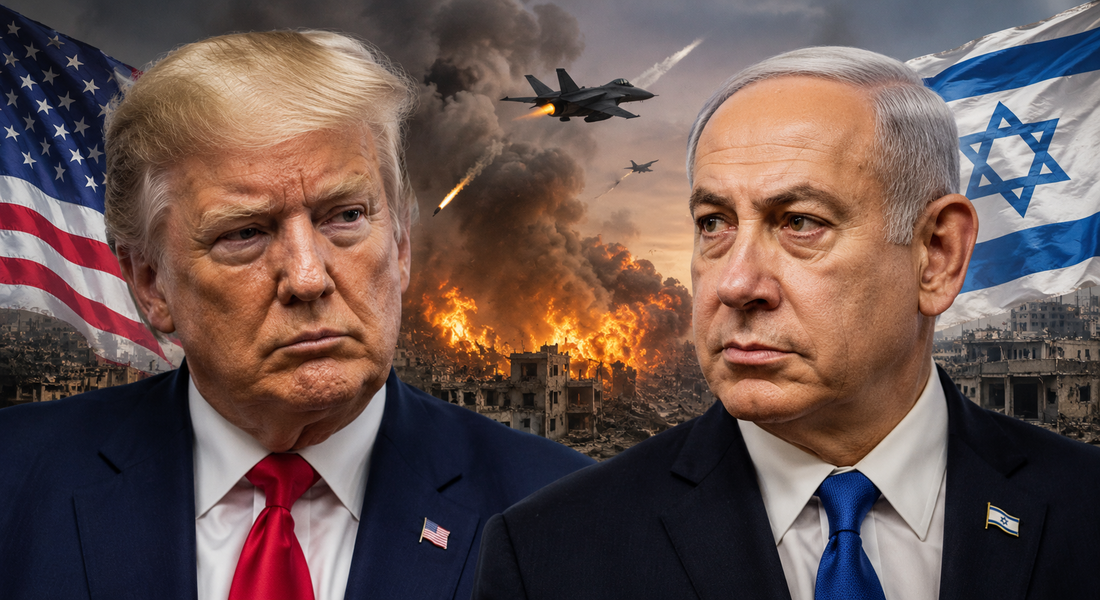
US President Donald Trump and Israeli Prime Minister Benjamin Netanyahu reportedly held a tense phone conversation amid escalating tensions in Lebanon, as Washington pushes to preserve delicate negotiations with Iran over regional security and nuclear concerns.
The friction emerged after Israel threatened a wider military campaign in Lebanon, including possible strikes on Beirut’s southern suburbs, prompting strong warnings from Tehran and fears that ongoing diplomacy between Washington and Iran could collapse. According to Axios, Trump sharply criticised Netanyahu during the call, accusing him of escalating the conflict in a way that could derail broader regional negotiations and worsen Israel’s global standing.
The report, citing sources familiar with the exchange, claimed Trump expressed frustration over Israel’s military actions in Lebanon and pressed Netanyahu to halt plans for attacks on Beirut. Axios reported that Trump believed Israel had a right to defend itself against Hezbollah rocket fire but viewed the scale of the response as disproportionate, particularly due to mounting civilian casualties.
Following the conversation, Trump struck a more conciliatory tone publicly, describing the exchange as “productive” in a post on Truth Social. He claimed Israel and Hezbollah had agreed to stop attacks on one another and asserted that Israeli forces would not advance toward Beirut. Trump also said ongoing negotiations with Iran were continuing “at a rapid pace.”
However, Netanyahu appeared to distance himself from suggestions of a ceasefire. In a statement issued after the call, the Israeli Prime Minister said military operations in southern Lebanon would continue “as planned” and warned that Israel would strike targets in Beirut if Hezbollah attacks persisted. Reports later indicated that Israeli strikes in parts of southern Lebanon continued despite diplomatic efforts.
The developments unfolded against a backdrop of heightened diplomatic pressure from Iran. Senior Iranian leaders warned that continued Israeli military operations in Lebanon could jeopardise talks with Washington and trigger wider regional consequences.
Iranian Parliament Speaker and chief negotiator with the US, Mohammad Bagher Ghalibaf, warned that Tehran could suspend dialogue with Washington if Israeli attacks continued. In a statement shared on social media, he said Iran would “stand firmly” against Israel if the conflict expanded in Lebanon.
Ebrahim Azizi, head of Iran’s parliamentary national security committee, also warned of “severe consequences” for both Israel and US forces in the region if military operations in Lebanon were not halted.
Meanwhile, criticism of Israel’s military campaign also surfaced in the United States. Congresswoman Ilhan Omar condemned Israeli actions in Lebanon, alleging that the country was replicating tactics used in Gaza and calling for an immediate halt to US military assistance to Israel.
The latest tensions have added uncertainty to the US-Iran diplomatic process, which reportedly includes discussions around regional ceasefires and maritime security. According to Axios, the proposed memorandum under negotiation between Washington and Tehran envisions a broader de-escalation framework that includes ending hostilities in Lebanon.
The conflict has increasingly drawn in regional actors, raising concerns that renewed fighting could destabilise an already fragile diplomatic landscape in West Asia.