
New Delhi: Iran has launched ballistic missile strikes against US-operated airbases in Jordan after Washington attacked Iranian rocket launchers on Larak Island in the Strait of Hormuz.
The latest exchange marks a sharp escalation in the Iran war after weeks of reduced fighting. It came shortly after the conflict crossed the six-month mark and as diplomatic efforts to end the hostilities remained stalled.
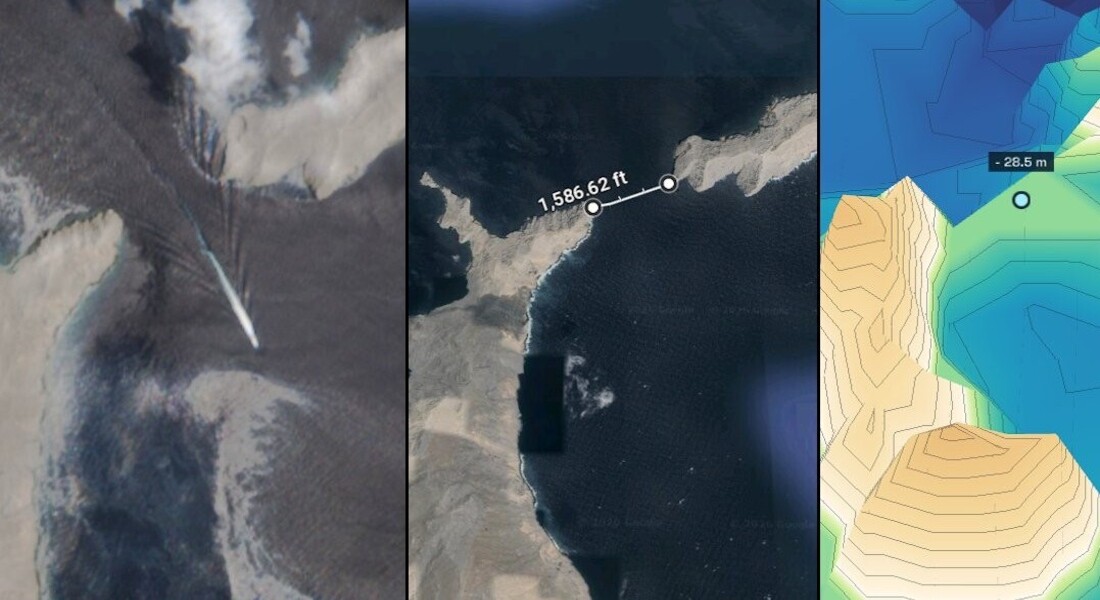
The US said its forces struck two Iranian launchers on Larak Island earlier on Sunday. A US official said American forces had observed Islamic Revolutionary Guard Corps personnel preparing to launch rockets carrying sea mines into the Strait of Hormuz.
Iran’s Revolutionary Guards (IRGC) said the US strike killed and wounded several soldiers and civilians. The IRGC warned that Tehran would respond to the attack.
Iranian state television later reported that the IRGC had launched ballistic missiles at US-operated positions at the King Hussein and al-Azraq airbases in Jordan.
According to the report, the strikes targeted technical infrastructure, maintenance facilities, and positions used by fighter aircraft. Iranian state media claimed that the attacks caused heavy damage.
An Iranian spokesperson said the US would face economic and military consequences for the attack.
According to the guardian.com, the initial US strike on Larak Island was carried out using drones.
However, the US said on Sunday night that incoming missiles directed at US forces in Jordan had been intercepted. It said there had been no significant impact from the Iranian attack at that point.
The latest confrontation is closely linked to the strategic importance of the Strait of Hormuz. Washington said its operation against the Iranian launchers was intended to prevent Tehran from placing additional sea mines in the waterway.
The US had announced days earlier that it had completed operations to clear explosives from the strait. US President Donald Trump had also warned Iran that any ship or boat attempting to lay new mines in international waters would be destroyed.
The Strait of Hormuz has remained a major pressure point throughout the conflict. Before the war, the waterway carried roughly one-fifth of the world’s consumed oil supplies.
The latest strikes also threaten to disrupt efforts to contain the conflict. The last known US attacks on Iran had taken place in late July, while the broader war had entered a period of stalemate in recent weeks.
Washington has meanwhile threatened tougher sanctions against countries that continue to support Tehran. The US administration has also described its pressure campaign against Iran as economic warfare.
The current war began on February 28, when the US and Israel launched attacks against Iran. Tehran responded with strikes against Israel and Gulf states hosting US military facilities.
A ceasefire was reached in April, while a memorandum of understanding aimed at establishing a final peace agreement was signed in June. However, the diplomatic process has failed to produce a lasting settlement.
Pakistan and Qatar have been among the countries involved in mediation efforts, but months of negotiations have yet to deliver a comprehensive agreement.
The latest US-Iran exchange therefore comes at a sensitive moment, with the Strait of Hormuz remaining both a military flashpoint and a major concern for global energy supplies.