New Delhi: Tensions in the Gulf region escalated further after the UAE accused Iran or allied proxy groups of being behind a drone-related fire incident near the Barakah nuclear power facility. Authorities described the development as a serious provocation amid the fragile ceasefire atmosphere surrounding the ongoing Iran conflict.
Officials clarified that the blaze occurred outside the secured perimeter of the nuclear installation in the Al Dhafra region and did not trigger radiation leaks or public safety concerns. The UAE’s nuclear regulator confirmed that the plant’s operations remained unaffected and no injuries were reported.
According to the UAE defence ministry, three drones entered the country from the western direction, with one striking an electrical generator located outside the inner zone of the Barakah nuclear plant. Authorities said investigations were underway to identify the origin of the drones and promised further updates once inquiries were completed.
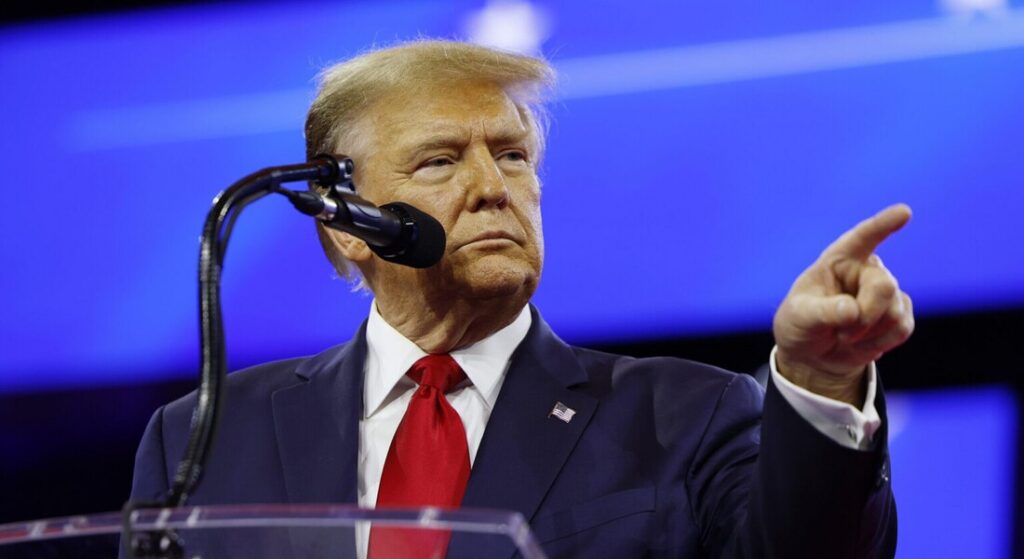
The incident comes during a sensitive phase in regional diplomacy, with negotiations linked to the Iran conflict reportedly facing deadlock. Meanwhile, US President Donald Trump intensified pressure on Tehran through a strongly worded social media statement, indicating that time was running out for Iran to move towards an agreement, according to theguardian.com.
Reports suggested that Trump recently held discussions with national security advisers in Virginia and was expected to conduct additional meetings with his security team to review strategic options concerning the Middle East situation.
The US leader also reportedly spoke with Israeli Prime Minister Benjamin Netanyahu ahead of a key Israeli security cabinet meeting focused on Iran, Lebanon, and Gaza. Israeli media speculation has grown over the possibility of renewed military confrontation if diplomatic efforts continue to stall.
Amid the crisis, UAE Foreign Minister Sheikh Abdullah bin Zayed Al Nahyan held consultations with regional counterparts, including officials from Saudi Arabia, which publicly condemned the incident despite recent strains in bilateral ties with the UAE.
The UAE also briefed International Atomic Energy Agency (IAEA) Director General Rafael Grossi regarding the drone strike. Emirati officials reportedly conveyed that the country reserved the right to respond to attacks threatening its national security.
The IAEA later expressed concern over the development, stressing that military actions capable of endangering nuclear safety were unacceptable.
The UAE has increasingly aligned itself with Israel during the regional conflict and has adopted a more assertive posture against Iran compared to several other Gulf nations. Reports have also indicated that Abu Dhabi previously responded militarily after alleged Iranian attacks targeting Emirati oil infrastructure.